
Is a stainless steel kettle easy to clean compared to other types of kettles?
Leave a message

Is a stainless steel kettle easy to clean compared to other types of kettles?
As a supplier of stainless steel kettles, I've had numerous conversations with customers about the cleaning aspect of different kettle materials. The question of whether a stainless steel kettle is easy to clean compared to other types of kettles is one that comes up quite frequently. In this blog, I'll delve into this topic, exploring the cleaning properties of stainless steel kettles and comparing them with other common kettle materials.
Understanding the Cleaning Requirements of Kettles
Before we compare different kettle materials, it's important to understand what makes a kettle difficult or easy to clean. The main factors that affect kettle cleaning include the build - up of limescale, stains, and the overall design of the kettle. Limescale is a common problem, especially in areas with hard water. It forms when the minerals in the water, such as calcium and magnesium, are left behind as the water evaporates during boiling. Stains can come from various sources, including tea, coffee, or other beverages brewed in the kettle. The design of the kettle, such as the shape of the interior, the presence of narrow spouts or hidden corners, can also make it more or less accessible for cleaning.
Stainless Steel Kettles: An Overview
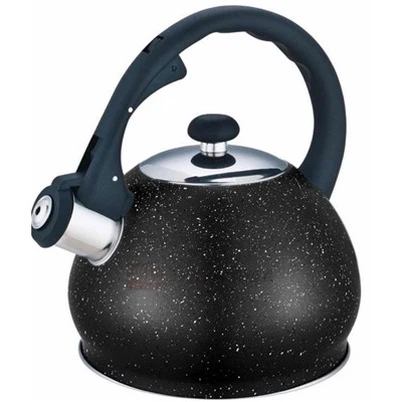
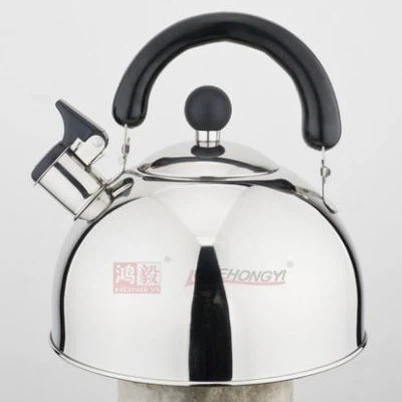
Stainless steel is a popular material for kettles due to its durability, resistance to corrosion, and sleek appearance. Our Traditional Stainless Steel Kettle and 2l Stainless Steel Kettle are prime examples of high - quality stainless steel kettles. They are made from food - grade stainless steel, which is safe for boiling water and brewing beverages.
One of the key advantages of stainless steel kettles when it comes to cleaning is their smooth surface. Unlike some other materials, stainless steel doesn't have porous surfaces that can trap dirt and stains. This means that most stains can be easily wiped off with a damp cloth or a mild detergent. For limescale build - up, stainless steel kettles can be descaled relatively easily. You can use common household items such as vinegar or lemon juice to remove limescale. Simply fill the kettle with a mixture of water and vinegar (or lemon juice), let it soak for a few hours, and then rinse thoroughly. The smooth surface of the stainless steel allows the descaling solution to work effectively, and the limescale usually comes off without much effort.


Another benefit of stainless steel kettles is their resistance to discoloration. Over time, some materials may start to change color due to exposure to heat and various substances. However, stainless steel maintains its appearance well, and even if there is some discoloration, it can often be restored with a bit of cleaning.
Comparison with Other Types of Kettles
Glass Kettles
Glass kettles are known for their transparency, which allows you to see the water boiling. However, they can be more difficult to clean in some aspects. Glass is more prone to scratching, and once scratched, dirt and stains can get trapped in the scratches, making them harder to remove. Limescale on glass kettles can also be a challenge to clean. The transparency of the glass means that limescale is more visible, and it may require more aggressive cleaning methods to remove it completely. Additionally, glass is a brittle material, and using abrasive cleaners can cause damage to the kettle.
Plastic Kettles
Plastic kettles are lightweight and often more affordable. However, plastic has its drawbacks when it comes to cleaning. Plastic is a porous material, which means that it can absorb stains and odors. Tea and coffee stains can be particularly difficult to remove from plastic kettles, and over time, the plastic may start to develop a yellowish tint. Plastic can also be damaged by high - temperature cleaning agents, and using strong chemicals may cause the plastic to warp or release harmful substances.
Ceramic Kettles
Ceramic kettles are valued for their aesthetic appeal and ability to retain heat. But they are also relatively difficult to clean. Ceramic has a porous surface, which can absorb stains and odors. Limescale build - up on ceramic kettles can be hard to remove, especially if it has been left for a long time. The surface of ceramic can also be easily chipped or cracked, and using abrasive cleaners can further damage the kettle.
Design Features that Affect Cleaning
In addition to the material, the design of the kettle also plays a crucial role in its ease of cleaning. Our 2l Stainless Steel Kettle is designed with cleaning in mind. It has a wide opening, which allows easy access to the interior of the kettle for scrubbing and rinsing. The spout is also designed to be smooth and free of sharp corners, reducing the chances of limescale and dirt build - up.
Some kettles may have hidden heating elements or complex internal structures that can make cleaning difficult. However, our stainless steel kettles have simple and accessible designs. The heating element is often located in a way that it can be easily reached for cleaning, and there are no hard - to - reach areas where dirt can accumulate.
Tips for Cleaning Stainless Steel Kettles
To keep your stainless steel kettle in top condition, here are some cleaning tips:
- Regular cleaning: After each use, rinse the kettle with warm water to remove any residual substances. This will prevent stains and limescale from building up over time.
- Descaling: If you live in an area with hard water, descale your kettle regularly. You can do this every few weeks or as needed, depending on the level of limescale build - up.
- Use mild cleaners: For general cleaning, use a mild detergent and a soft cloth. Avoid using abrasive cleaners or steel wool, as they can scratch the stainless steel surface.
- Dry thoroughly: After cleaning, dry the kettle thoroughly to prevent water spots and rust.
Conclusion
In conclusion, stainless steel kettles are generally easier to clean compared to other types of kettles. Their smooth surface, resistance to stains and discoloration, and ability to withstand common cleaning agents make them a practical choice for everyday use. The design features of our stainless steel kettles further enhance their ease of cleaning. Whether you are dealing with limescale, stains, or just general dirt, a stainless steel kettle can be maintained with relative ease.
If you are in the market for a new kettle and value easy cleaning, our stainless steel kettles are an excellent option. We are committed to providing high - quality products that meet the needs of our customers. If you are interested in purchasing our stainless steel kettles or have any questions, please feel free to contact us for procurement discussions. We look forward to serving you and helping you find the perfect kettle for your home or business.
References
- "Materials and Their Properties in Kitchenware", Journal of Home Appliance Studies
- "Cleaning and Maintenance of Different Kettle Types", Consumer Reports on Kitchenware