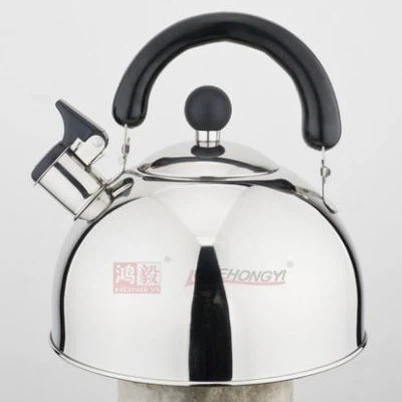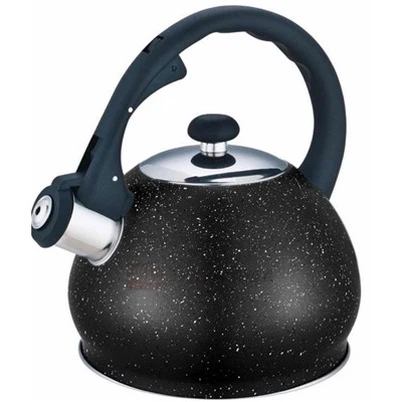


Traditional Stainless Steel Kettle
Traditional stainless steel kettle is a durable option for a variety of kitchen needs. Made from high-quality, food-grade stainless steel, these kettles are designed to enhance both the functionality and aesthetics of your home and kitchen space. Primarily, stainless steel kettles are used for boiling water, making tea, and preparing other hot beverages.
Description
Jiangmen Hongyi Stainless Steel Products Co., Ltd. is one of the leading manufacturers and suppliers of traditional stainless steel kettle in China, also supports customized service with low price. With abundant experience, we warmly welcome you to buy discount traditional stainless steel kettle made in China here from our factory.
Jiangmen hongyi Stainless Steel Products Co., Ltd
Jiangmen hongyi Stainless Steel Products Co., Ltd located in Siqian Town, Xinhui District, Jiangmen City, Guangdong Province-------the gold base of stainless steel products, near HongKong and Guangzhou. Transportation is very convenient thanks to the Guangzhou-Kaipin speedway, just one hour by car from Guangzhou to HONGYI. Our company established in 1999, with more than 20 years devotion in development, today, HONGYI has become one of the leading company in kithenware produce field in China, based on our large workshop, advanced equipment, new technology, good management and wide world market etc. We supply an extensive range of products like Stainless steel kettles and miscellaneous pieces is more than USD 6,000,000, which is 80% are sold to Europe, America and Japan.
Why Choose Us
Products Widely Used
Whether you're a busy urban professional or a health-conscious fitness enthusiast, our Metal Kettle is designed to meet your daily needs. It's suitable for a variety of lifestyles and occasions, from quickly boiling water for a family gathering to making a cup of tea to perk up your office day. Our kettle is also versatile across different age groups, from teenagers to the elderly, offering ease of use and safety that makes it an essential kitchen appliance for any household.
Advanced Production Equipment
Our company has advanced production equipment, such as oil compressor, punching, welding machine, point welding machine, polishing machine, grinding machine.
Quality Guaranteed
All products we produce have certificates, such as ISO9001, SEDEX 4P, 1 Invention Patent, 4 Appearance Patent, 2 Utility Model Patents, and all products are strictly tested in accordance with industry standards and contract agreements before leaving the factory.
Rich Products
At our company, we offer a wide range of Metal Kettles, such as Metal Kettle, metal kettle, stainless steel tea kettle, stainless steel whistling kettle, stainless steel tea pots, etc, catering to diverse needs and preferences. Whether you're looking for a classic design or a modern, sleek model, we have the perfect kettle for you.

Vintage Stainless Steel Kettle
Vintage stainless steel kettle. Today's tea kettles do more than whistle, though. have handy features like gooseneck spouts, trigger-action lids, and more. A kettle, sometimes called a tea kettle or teakettle, is a type of pot specialized for boiling water kitchen appliance. Kettles can be heated either by placing on a stove, or on a induction cooker.

Looking for a reliable and stylish kettle that will make your daily routine even more enjoyable? Look no further than our deluxe stainless steel kettle, available in 1.5L, 2.0L and 2.5L sizes. With its elegant design and practical features, this kettle is a must-have for any modern kitchen.

2l stainless steel kettle. Today's tea kettles do more than whistle, though. have handy features like gooseneck spouts, trigger-action lids, and more. A kettle, sometimes called a tea kettle or teakettle, is a type of pot specialized for boiling water kitchen appliance.

Stainless Steel and Black Kettle
Stainless steel and black kettle. Today's tea kettles do more than whistle, though. have handy features like gooseneck spouts, trigger-action lids, and more. A kettle, sometimes called a tea kettle or teakettle, is a type of pot specialized for boiling water kitchen appliance.

1.5 Liter Stainless Steel Camp Tea Kettle
Look no further than the 1.5-liter stainless steel camp tea kettle HY532! This sleek and stylish kettle comes in both mirror and satin finishes, giving you the freedom to choose the perfect style to suit your needs.

Stainless Steel Kettle Induction
Made of high-quality stainless steel, this kettle is durable and long-lasting. It comes in three different sizes - 1.5L, 2.0L, and 2.5L, providing you with different options to suit your needs. Its induction technology ensures quick and efficient heating, and it's perfect for boiling water or brewing your favorite tea.

Stainless Steel Kettle Whistle
With its sleek and modern design, our kettle fits beautifully in any kitchen or dining room. You can choose from a mirror finish or a satin finish to match your decor. The high-quality stainless steel construction ensures that your kettle will last for years to come, even with frequent use. Plus, it's easy to clean and maintain.

Stainless Steel Kettle Without Plastic
This kettle is not only stylish and sleek, but it is also built to last with high-quality stainless steel construction. The absence of plastic ensures that you won't have to worry about any unwanted chemicals leaching into your water or tea, making it a healthy choice for you and your family.

Whether you prefer a sleek mirror finish or a more understated satin look, our kettles are sure to impress. And with a whistling feature to alert you when the water is ready, you'll never have to worry about over-filling or under-boiling.
What is Traditional Stainless Steel Kettle
Traditional stainless steel kettle is a durable option for a variety of kitchen needs. Made from high-quality, food-grade stainless steel, these kettles are designed to enhance both the functionality and aesthetics of your home and kitchen space. Primarily, stainless steel kettles are used for boiling water, making tea, and preparing other hot beverages. Their robust construction ensures long-lasting performance and easy maintenance, making them a popular choice for those who value efficiency and reliability in their kitchen appliances.
Advantages of Traditional Stainless Steel Kettle
Durability
Stainless steel kettles are built to last, with a robust construction that is resistant to dents, scratches, and rust. This makes them an ideal choice for those who value long-lasting performance and reliability in their kitchen appliances.
Heat Retention
Stainless steel kettles are known for their excellent heat retention properties. This means that once your water or beverage has reached the desired temperature, the stainless steel kettle will keep it hot for a longer period, allowing you to enjoy your hot drinks without the need for constant reheating.
Energy Efficiency
Stainless steel is an excellent conductor of heat, which allows for faster boiling times compared to other materials like glass. This not only saves time but also reduces energy consumption, making stainless steel kettles a more environmentally friendly and cost-effective choice.
Versatility
Stainless steel kettles are compatible with a wide range of heating sources, including gas, electric, and induction stovetops. This makes them a versatile choice for any kitchen setup, ensuring that you can easily integrate a stainless steel kettle into your existing cooking routine without the need for additional equipment or adaptations.
How Fast Can a Traditional Stainless Steel Kettle Boil Water
Factors Influencing Boiling Speed
Several factors influence how quickly a kettle can bring water to a boil. First, the material of the kettle plays a significant role. Stainless steel kettles, provide optimal heat conductance combined with durability. Next, the efficiency of the heating element directly affects boiling times; advanced coils or heating plates ensure rapid thermal transfer. Water volume and its initial temperature are also critical – less water and warmer starting temperatures yield faster results. Lastly, altitude and atmospheric pressure can alter boiling points, impacting overall cooking times.
Stainless steel is favored for kettles due to its excellent properties. Composed primarily of iron, chromium, and nickel, it offers outstanding resistance to rust and stains while maintaining structural integrity under high heat. As a conductive material, stainless steel efficiently transfers heat from the source to the water, ensuring quick boiling.
Experimental Data and Testing Methods
To verify these claims, standardized testing conditions are crucial. Various kettle brands-including several leading stainless steel models-are tested under identical scenarios involving room-temperature water measurements and consistent power supplies. The comparative results reveal minor differences among high-caliber kettles, but factors such as heating element design show some variance. Discrepancies may stem from external variables or manufacturing inconsistencies.
Energy Efficiency and Environmental Impact
The energy consumed during boiling is another primary consideration. Superior conductivity of stainless steel ensures minimal heat loss, promoting energy-efficient operation. Eco-friendly considerations extend beyond just boiling speed to encompass product lifespan, recycling potential, and overall sustainability of materials used in production. Stainless steel scores well, being largely recyclable and long-lasting.
Tips for Optimizing Boiling Speed
Maximizing the efficiency of your stainless steel kettle involves simple practices. Starting with pre-boiled or slightly warm water significantly reduces total boiling time. Regular maintenance, particularly descaling, prevents mineral buildup that could hamper heating elements. Additionally, using appropriate water volumes and proper kettle placement (e.g., avoiding drafts) further optimizes performance.
Making an Informed Purchase Decision
When purchasing a kettle, consider key features like capacity, heating power, safety mechanisms, and aesthetics. Balancing speed, energy efficiency, and cost ensures the best value. Long-term benefits include reduced wait times and lower energy usage, contributing to enhanced user satisfaction.
Capacity: Determine the volume of water you usually need to boil. Stainless steel kettles with various capacities, so consider whether you require a smaller, single-serving kettle or a larger one for multiple servings.
Material: Stainless steel kettles are commonly made from stainless steel, glass, or plastic. Each material has its own advantages, such as durability, heat retention, and aesthetics. Consider your preferences and any potential concerns, such as the presence of bpa in plastic kettles.
Boiling speed: Look for kettles with rapid boiling to save time.
Temperature control: For tea enthusiasts or those who require specific water temperatures for different beverages or recipes, consider an stainless steel kettle with variable temperature settings. This feature allows you to select the ideal temperature for brewing various types of tea or preparing delicate coffee.
Safety features: Ensure that the stainless steel kettle has safety features such as automatic shut-off and boil-dry protection to prevent accidents.
Ease of use: Look for kettles with ergonomic handles, easy-to-read water level indicators, and a comfortable pouring spout to make using the kettle a hassle-free experience.
Easy to clean: Removable filters, concealed heating elements, and descaling features can make the cleaning process more convenient.
How to Buy the Right Traditional Stainless Steel Kettle

Power - Most stainless steel kettles have different wattage, usually falling somewhere between 2.3kW and 3kW. The more powerful the stainless steel kettle, the quicker it boils. Whatever the wattage, the same amount of energy will be used per volume of water boiled.
Boiling Noise - If noisy appliances cause you irritation, then check if thes tainless steel kettle has a decibel reading. As a gauge, a conversation is usually held at 60dB while an electric drill can reach 95dB.
Capacity - A stainless steel kettle with cup measuring windows will help you boil only the water you need, saving time and energy. If you only boil small volumes then a smaller size stainless steel kettle may suit you. If you use your kettle to boil water for cooking, then you may need a stainless steel kettle with a larger capacity.
Weight - If the weight of the stainless steel kettle is important then consider the material it is made from, especially if you generally fill your kettle to the maximum. Plastic will of course be much lighter than metal. Capacity also effects weight; 1ml of water weighs 1g, so if you don't want a heavy stainless steel kettle remember 2 litres of water will weigh 2 kilos. Try to only boil the water you need.
Colour - Different colours from bold accent colours, metallic shades, pastel hues and patterns are now widely available, giving the choice of matching your stainless steel kettle closely to your kitchen interior or opting for a classic colour that will withstand changes in décor. There are many different finishes available too, from polished or brushed stainless steel, glossy polymer to matt effect.
Ease of Use - When lifting the stainless steel kettle, consider how easy the handle is to grip, if there is enough space between the handle and the body to fit your hand and whether there are any safety or comfort features such as a knuckle guard. If you have trouble gripping, then a push-button lid will be the easier than a lid that needs to be pulled open. A large measuring window with an easy-to-read water gauge and buttons in contrasting colours will help if your sight is limited.
Element - The element heats the water. Most modern stainless steel kettles have hidden elements in the stainless steel kettle base. It doesn't come into contact with water, reducing the build-up of lime scale and is also much safer should the stainless steel kettle malfunction. Look for a boil-dry safety feature, where the stainless steel kettle will switch off if there is not enough water inside, stopping it from burning dry.
Cleaning - Many stainless steel kettles have removable lime scale filters that can be washed, though some can be easier to remove than others. A plastic stainless steel kettle is easily wiped down, whereas a metal kettle will require buffing after wiping to remove smears. Water drips lead to a build-up of limescale, so go for a stainless steel kettle with a non-drip spout to avoid limescale drip marks and keep your stainless steel kettle looking good.

Traditional Stainless Steel Kettle Energy Saving Tips
Only use the water you actually need
While most modern kettles come with water level indicators, you can literally just pour in the amount of water you need every time.
Regularly descale your kettle
Limescale build up around the heating element means that it's harder for heat to reach the water directly. By descaling your kettle, it'll keep working efficiently.
Switch your kettle off at the wall when not in use
Does leaving a kettle plugged in use electricity? Yes. And while this won't add up to riches, making sure your kettle is turned off at the plug can help you save some pennies.
Use your kettle for cooking
If you're boiling water for pasta or rice (for example) using your electric kettle to heat water will be far more efficient than boiling water in a pan or an electric or gas hob. When it comes to electric kettle vs gas stove efficiency, there's no competition!
How to Care for and Maintain Your Traditional Stainless Steel Kettle
Understanding the unique needs of your stainless steel kettle is essential in ensuring its long-lasting functionality and appearance. Regular maintenance can prevent common issues such as scaling, discoloration, and stains, while also preserving the aesthetic and performance benefits that come with a well-kept kettle.
Daily Cleaning Routine
The key to maintaining your Stainless Steel Kettle lies in consistent daily cleaning. Keep these supplies handy: mild dish soap, a soft sponge or cloth, and a non-abrasive towel. Follow these simple steps:
● Rinse the kettle with warm water immediately after each use to remove residual water and minimize mineral deposits.
● Add a few drops of dish soap onto a damp sponge or cloth and gently clean both the interior and exterior surfaces.
● For stubborn spots, allow soapy water to sit inside for a few minutes before scrubbing gently.
● Rinse thoroughly with clean water to ensure no soap residue remains.
● Dry completely using a soft, non-abrasive towel to avoid water spots and potential rusting.
● Make sure to store your kettle in a dry place with adequate ventilation when not in use to further extend its lifespan.
Descaling Techniques
Over time, minerals from hard water can build up inside your kettle, necessitating periodic descaling. Recognizing signs like slow boiling times or visible scale buildup on the heating element can indicate it's time to descale. Natural solutions work wonders:
Vinegar and Water Method
● Fill the kettle halfway with equal parts vinegar and water.
● Bring the mixture to a boil and let it sit for about 15-20 minutes.
● Pour out the solution and rinse the kettle thoroughly several times with fresh water.
Lemon and Baking Soda Mix
Squeeze the juice of one lemon into the kettle and add a tablespoon of baking soda.
Fill with water and bring it to a boil.
Allow the mixture to sit for at least 30 minutes before rinsing thoroughly.
If you prefer quicker solutions, commercial descaling products are available. Descale every few months, depending on usage frequency and water hardness.
Handling Practices
Correct handling ensures your kettle's durability. Avoid overfilling past the recommended line to prevent spills and subsequent damages. When pouring, do so steadily to avoid hot water splashes. Prevent scratches and dents by avoiding abrasive cleaners or scrubbing pads and opting instead for softer materials.
Periodic Deep Cleaning
A deep clean every few months maintains your kettle's pristine condition. Gather white vinegar, baking soda, a brush with soft bristles, and microfiber cloths. Here's how:
● Disassemble removable parts like filters and lids, soaking them in soapy water.
● Follow either the vinegar-water method or lemon-baking soda mix described earlier for descaling.
● Scrub interiors gently with a brush dipped in the remaining solution, paying special attention to hidden corners.
● Rinse thoroughly and dry all parts separately before reassembling.
Troubleshooting Common Issues
If discoloration occurs due to high temperatures, a paste of baking soda and water left sitting for a few hours often helps. Resolving lid or spout problems might involve checking for blockages or realigning misfit parts. Persistent odors usually resolve when allowed to air-dry completely between uses.
Best Practices for Long-Term Care
Store your kettle in a cool, dry location free from moisture exposure. Implement a routine maintenance schedule based on everyday usage patterns-for example, descaling monthly if used heavily.
FAQ
Hot Tags: traditional stainless steel kettle, China traditional stainless steel kettle manufacturers, suppliers, factory, stainless steel kettle with secure packaging, Black Stainless Steel Kettle, stainless steel kettle with advanced materials, stainless steel kettle with insulating materials, stainless steel kettle with contemporary style, stainless steel kettle with low-profile design
Send Inquiry
You Might Also Like