
How does the metal filter in a kettle affect the flow of water?
Leave a message

The performance of a kettle goes beyond its basic function of boiling water; the presence of a metal filter significantly impacts the flow of water. As a prominent supplier of kettles equipped with metal filters, exploring how these filters interact with water flow is crucial. This blog post will delve into the science behind the influence of metal filters on water flow in kettles, shed light on the advantages, and present our attractive product range.
Understanding the Structure of Metal Filters in Kettles
A metal filter in a kettle is typically crafted from materials like stainless steel. These filters are engineered with a specific mesh size and pattern. The mesh size refers to the number of openings per linear inch of the filter material. For instance, a finer mesh would have more openings per inch compared to a coarser one. The pattern of the mesh can vary widely, from simple square or rectangular grids to more complex hexagonal or circular arrangements.
This structure determines the effective pore size. The effective pore size is the critical dimension that decides what particles can pass through the filter. A kettle filter with a smaller effective pore size is designed to capture finer particles, such as sediment or scale fragments, ensuring that the water flowing out is cleaner. However, this also means that the filter can impede the water flow to a greater extent.
The Science of Water Flow Through Metal Filters
When water is poured from the kettle, it encounters the metal filter. According to the principles of fluid dynamics, the flow of water is governed by factors like pressure and resistance. The pressure difference between the water inside the kettle and the outside environment drives the water through the filter.
The resistance, on the other hand, is significantly influenced by the metal filter. The filter acts as an obstruction to the water flow. The smaller the pores in the filter, the more resistance the water faces as it tries to pass through. This relationship can be described using Darcy's law in fluid mechanics, which states that the flow rate of a fluid through a porous medium (in this case, the metal filter) is proportional to the pressure difference and the permeability of the medium, and inversely proportional to the thickness of the medium and the dynamic viscosity of the fluid.
In practical terms, a kettle with a very fine - mesh metal filter may have a slower water flow rate because the small pores create a high resistance to the water. Conversely, a kettle with a coarser mesh filter will allow water to flow more freely, although it may not be as effective at filtering out small particles.
Impact of Metal Filter Design on Water Flow
The design of the metal filter also plays a vital role in water flow. Some filters are flat, while others have a conical or domed shape. A conical or domed filter can increase the surface area available for water to pass through compared to a flat filter.
With a larger surface area, there is less congestion at the filter openings, allowing water to flow more smoothly. Additionally, the shape of the filter can influence the way water is distributed across its surface. A well - designed conical filter can direct water towards the outer edges, where there are often more open pores, reducing the overall resistance to flow.
The placement of the filter within the kettle is another important factor. If the filter is placed in a position that restricts the natural path of water flow, it can lead to a decrease in the flow rate. For example, if the filter is too close to the spout and blocks the direct flow of water, the water will have to take a more circuitous route, increasing the resistance and slowing down the flow.
Advantages of Kettles with Metal Filters Despite Flow Considerations
Although the metal filter can affect the water flow, it brings numerous benefits. Firstly, it acts as a barrier against impurities. In areas where the water supply contains sediment, rust particles, or scale, the metal filter prevents these unwanted substances from entering your cup. This ensures that the water you use for drinking, making tea, or coffee is clean and free from any visible contaminants.
Secondly, a metal filter can improve the taste of the water. By removing particles that could potentially affect the flavor, the water retains its natural purity, resulting in a more pleasant drinking experience. Moreover, using a kettle with a metal filter can also extend the lifespan of your appliances. For example, when the water used in a coffee maker or tea infuser is filtered, it reduces the build - up of scale inside these devices, enhancing their performance and durability.
Our Product Range
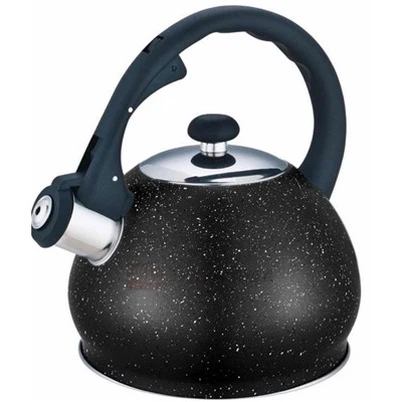
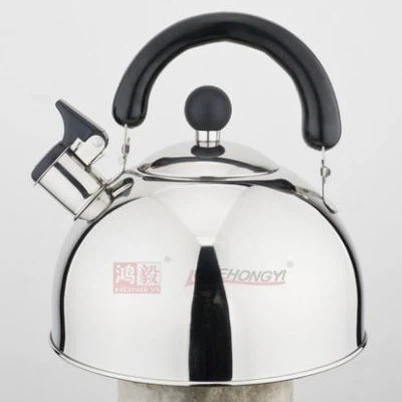
We offer a diverse range of kettles with metal filters to meet various customer needs. The Metallic Red Kettle is not only a stunning addition to any kitchen but also features a high - quality metal filter. Its unique design ensures efficient water flow while effectively filtering out impurities. The conical filter design provides a large surface area for water to pass through, minimizing the impact on the flow rate.


The Metal Lined Kettle combines the durability of a metal liner with a precision - engineered metal filter. This kettle is built to last, and the filter is designed to maintain a good balance between water flow and filtration efficiency. Whether you're making a quick cup of tea or brewing a large pot of coffee, this kettle will serve you well.
The Tea Kettle Metal is specifically tailored for tea enthusiasts. It has a fine - mesh metal filter that can capture even the smallest tea leaves, ensuring a smooth and flavorful cup of tea every time. The carefully crafted spout design optimizes water flow, allowing for a controlled pour while the filter does its job.
Conclusion and Call to Action
In conclusion, the metal filter in a kettle has a significant impact on water flow. While it may introduce some resistance, the benefits it offers in terms of water purity, taste, and appliance longevity far outweigh the minor inconvenience of a potentially slower flow rate. Our range of kettles with metal filters is designed to strike the perfect balance between efficient water flow and effective filtration.
If you're interested in enhancing your daily tea or coffee - making experience, or if you're a business looking to source high - quality kettles, we invite you to contact us for procurement and negotiation. We are committed to providing the best products and services to meet your requirements.
References
- Bear, J. (1972). Dynamics of Fluids in Porous Media. American Elsevier Publishing Company.
- White, F. M. (2006). Fluid Mechanics. McGraw - Hill.