
How to remove limescale from a stainless steel tea kettle?
Leave a message

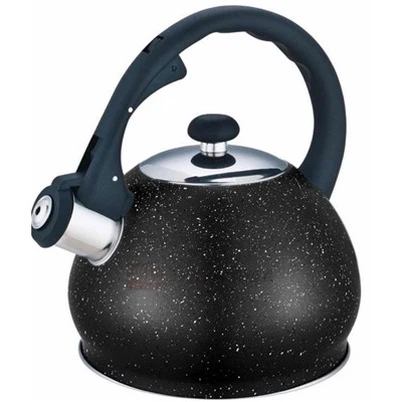
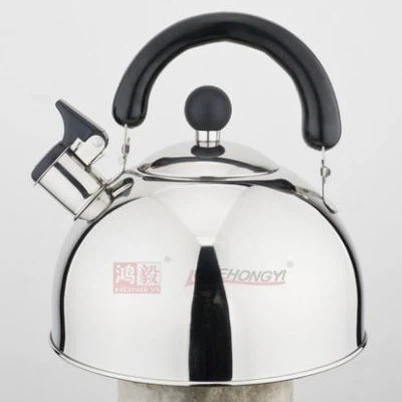
Limescale is a common problem that many people face when using stainless steel tea kettles. As a trusted supplier of high - quality stainless steel tea kettles, including Stainless Steel Tea Kettle Induction, Brasil Stainless Steel Tea Kettle, and Stainless Steel Whistling Stovetop Tea Kettle, I understand the importance of keeping your tea kettle in pristine condition. In this blog post, I will share some effective methods to remove limescale from a stainless steel tea kettle.
Understanding Limescale
Limescale is formed when hard water, which contains high levels of minerals such as calcium and magnesium, is heated. As the water evaporates, these minerals are left behind and accumulate on the surfaces of the tea kettle. Over time, limescale can not only make your tea kettle look unsightly but also affect its performance. It can reduce the efficiency of heat transfer, making the kettle take longer to boil water, and may even cause damage to the kettle if left untreated for a long time.
Why Choose Stainless Steel Tea Kettles
Before we dive into the limescale removal methods, let's briefly discuss why stainless steel tea kettles are a popular choice. Stainless steel is durable, resistant to rust and corrosion, and easy to clean. It also retains heat well, ensuring that your water stays hot for longer. Our range of stainless steel tea kettles, such as the Stainless Steel Whistling Stovetop Tea Kettle, is designed with both functionality and aesthetics in mind, providing you with a great tea - making experience.
Methods to Remove Limescale
1. Vinegar Method
Vinegar is a natural and effective cleaner for removing limescale. It contains acetic acid, which can dissolve the mineral deposits.
- Steps:
- Fill the tea kettle about half - way with white vinegar. You can use either distilled white vinegar or apple cider vinegar, but distilled white vinegar is often preferred as it has a stronger acidic content.
- Let the vinegar sit in the kettle for at least an hour. For stubborn limescale, you can leave it overnight.
- After the soaking time, gently scrub the inside of the kettle with a soft sponge or a non - abrasive brush. Pay special attention to areas with thick limescale buildup.
- Rinse the kettle thoroughly with clean water several times to remove any remaining vinegar smell.
- Boil a full kettle of clean water and discard it to ensure that all traces of vinegar are removed.
2. Lemon Juice Method
Lemon juice is another natural alternative to vinegar. It contains citric acid, which can also break down limescale.
- Steps:
- Squeeze the juice of 2 - 3 lemons into the tea kettle. You can also add the lemon peels for extra cleaning power.
- Fill the rest of the kettle with water.
- Bring the mixture to a boil and then let it simmer for about 15 - 20 minutes.
- Turn off the heat and let the kettle cool down.
- Use a soft sponge or brush to scrub away the loosened limescale.
- Rinse the kettle well with clean water.
3. Baking Soda Method
Baking soda is a gentle abrasive that can help remove limescale without scratching the stainless steel surface.
- Steps:
- Make a paste by mixing baking soda with a small amount of water. The paste should be thick enough to stick to the sides of the kettle.
- Apply the paste to the areas with limescale using a soft cloth or a sponge.
- Let the paste sit on the limescale for about 15 - 20 minutes.
- Gently scrub the areas with the paste using a non - abrasive brush.
- Rinse the kettle thoroughly with clean water.
4. Commercial Descalers
There are also many commercial descalers available in the market. These products are specifically formulated to remove limescale and are often very effective.
- Steps:
- Follow the instructions on the product label carefully. Usually, you will need to dilute the descaler in water and then fill the kettle with the solution.
- Let the solution sit in the kettle for the recommended time.
- After the soaking time, rinse the kettle thoroughly with clean water.
- Boil a full kettle of clean water and discard it to ensure that all traces of the descaler are removed.
Preventing Limescale Build - Up
In addition to removing limescale, it's also important to take steps to prevent its build - up in the first place.
- Use Filtered Water: Using filtered water can significantly reduce the amount of minerals in the water, thus reducing limescale formation. You can use a water filter pitcher or install a whole - house water filtration system.
- Regular Cleaning: Even if you don't see obvious limescale, it's a good idea to clean your tea kettle regularly. You can do a quick rinse with warm, soapy water after each use and perform a more thorough descaling every few weeks or as needed.
Conclusion
Removing limescale from a stainless steel tea kettle is not a difficult task, and there are several natural and effective methods available. By following the steps outlined in this blog post, you can keep your tea kettle looking and performing its best. As a supplier of premium stainless steel tea kettles, including Stainless Steel Tea Kettle Induction and Brasil Stainless Steel Tea Kettle, we are committed to providing you with high - quality products and useful information. If you are interested in our products or have any questions about tea kettle maintenance, please feel free to contact us for procurement and further discussions.


References
- "The Chemistry of Cleaning: How Vinegar Removes Limescale", Science in Everyday Life Journal.
- "Natural Cleaners for Household Use", Home Cleaning Magazine.
- "Stainless Steel Care and Maintenance", Stainless Steel Manufacturers Association.