
What is the difference between tea pots for gas stoves and induction stoves?
Leave a message

Yo, tea lovers! If you're into brewing that perfect cup of tea, you know having the right tea pot is crucial. And when it comes to choosing a tea pot, one of the big decisions you'll face is whether to go for one that's designed for a gas stove or an induction stove. As a supplier of the best tea pots for gas stoves, I've got some insights to share about the differences between these two types of tea pots.
Material Matters
First off, let's talk about materials. Gas stoves and induction stoves heat up in different ways, and that means the tea pots need to be made of materials that can handle those methods.
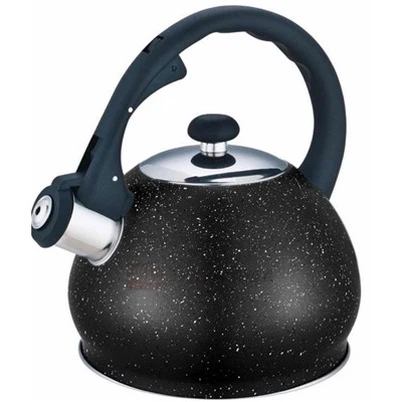
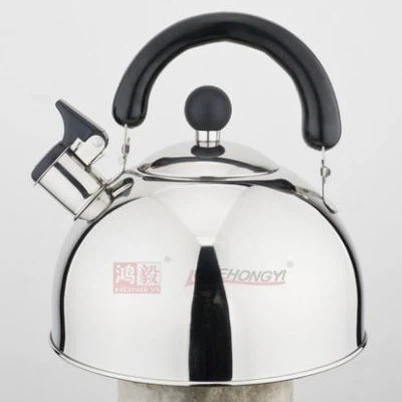
For gas stoves, you've got a lot of options. You can use ceramic, glass, cast iron, or stainless steel tea pots. Ceramic tea pots are great because they look super stylish and can hold heat well. They give your tea a kind of rustic charm. Glass tea pots are also cool. You can watch the tea leaves dance around as they steep, which is not only fun but also helps you know when your tea is just right. Cast iron tea pots are heavy-duty and can heat up evenly, but they might need a bit more care to prevent rusting. Stainless steel tea pots are durable, easy to clean, and they don't react with the tea, so you get a pure tea flavor. Check out our Black Tea Pots for a sleek and practical option.
On the other hand, induction stoves work by creating a magnetic field that heats up the pot directly. That means the tea pot has to be made of a magnetic material, like stainless steel or cast iron. If you try to use a ceramic or glass tea pot on an induction stove, it won't heat up at all because they're not magnetic. So, if you've got an induction stove, you're a bit more limited in your material choices.
Heat Distribution
Another big difference is how the heat is distributed. Gas stoves heat up the bottom of the tea pot directly through an open flame. This can sometimes lead to uneven heating, especially if the flame isn't adjusted properly. You might end up with some parts of the tea pot getting hotter than others. But with a bit of practice, you can learn to control the flame and get an even heat.
Induction stoves, on the other hand, heat the entire pot evenly. The magnetic field created by the stove causes the molecules in the pot to vibrate, generating heat all over the pot at the same time. This means your tea will steep more evenly, and you're less likely to have hot spots or cold spots in your tea.
Heating Speed
When it comes to heating speed, induction stoves usually win. They can heat up a tea pot much faster than a gas stove. This is because the heat is generated directly in the pot, rather than having to transfer from a flame to the pot. If you're in a hurry and want to brew a cup of tea quickly, an induction stove with a compatible tea pot is the way to go.
Gas stoves, however, give you more control over the heating speed. You can adjust the flame to make it bigger or smaller, depending on how fast you want to heat the water. This can be useful if you're brewing a delicate tea that requires a lower temperature.
Design and Compatibility
The design of tea pots for gas stoves and induction stoves can also be different. Tea pots for gas stoves can have a wider range of designs because they don't have to be magnetic. You can find all sorts of shapes and sizes, from traditional round pots to funky and modern designs. Check out our 3.5L Funky Tea Pots for something unique.
Induction stoves require the tea pot to have a flat bottom that can make good contact with the stove surface. This is because the magnetic field needs to be able to interact with the pot evenly. So, most induction-compatible tea pots have a flat and smooth bottom.
Maintenance
Maintenance is another factor to consider. Gas stove tea pots, especially those made of ceramic or glass, need to be handled carefully to avoid chipping or cracking. Cast iron tea pots need to be seasoned regularly to prevent rusting. Stainless steel tea pots are relatively easy to clean, but you still need to make sure you're using the right cleaning products to avoid scratching the surface.
Induction stove tea pots also need to be cleaned properly, but since they're usually made of stainless steel or cast iron, they're generally more durable. Just make sure to clean the bottom of the pot to keep it in good contact with the stove.


Cost
Cost can vary depending on the material and brand of the tea pot. Generally, ceramic and glass tea pots for gas stoves can be more affordable, especially if you're just starting out. Cast iron and high-quality stainless steel tea pots can be a bit more expensive, but they're also more durable.
Induction-compatible tea pots might be a bit pricier because they need to be made of magnetic materials. However, the price difference isn't always huge, and it's worth it if you've got an induction stove.
Our Recommendations
As a supplier of the best tea pots for gas stoves, I highly recommend our New Stainless Steel Eight-square Tea Pots. They're made of high-quality stainless steel, which is durable and easy to clean. The eight-square design not only looks cool but also helps with heat distribution.
If you're using a gas stove, these tea pots are perfect. You can control the heat easily and enjoy a delicious cup of tea. And if you're thinking about switching to an induction stove in the future, stainless steel tea pots are also induction-compatible.
Time to Make a Decision
So, there you have it, the main differences between tea pots for gas stoves and induction stoves. Whether you're a gas stove fan or an induction stove enthusiast, there's a tea pot out there for you.
If you're interested in purchasing our high-quality tea pots for gas stoves, we're here to help. We offer a wide range of styles and sizes to meet your needs. Whether you're a home tea lover or a business looking to stock up, we've got you covered. Contact us for more information and let's start a great tea journey together.
References
- "Tea Brewing Basics" - A guide to understanding the different factors in tea brewing.
- "Materials for Cookware" - Information on the properties of different materials used in tea pots.