
What are the disadvantages of using a whistling tea pot?
Leave a message

Whistling tea pots have long been a staple in kitchens around the world, offering a convenient and charming way to alert us when the water has boiled. As a supplier of whistling tea pots, I've had the opportunity to see firsthand the widespread appeal of these classic kitchen items. However, like any product, whistling tea pots are not without their drawbacks. In this blog post, I'll explore some of the disadvantages of using a whistling tea pot, shedding light on aspects that consumers may not always consider.
Limited Precision in Boiling
One of the primary disadvantages of whistling tea pots is their limited precision when it comes to boiling water. Unlike electric kettles that often come with temperature control settings, whistling tea pots rely on the traditional method of bringing water to a full boil. This can be a problem for those who are particular about the temperature of their water for different types of tea.
For instance, green tea is best brewed at a lower temperature, typically around 80 - 85°C (176 - 185°F), while black tea can withstand boiling water at 100°C (212°F). With a whistling tea pot, it's challenging to achieve the ideal temperature for green tea without over - boiling the water. Once the water reaches a boil and the whistle sounds, it's already at 100°C, and waiting for it to cool down to the appropriate temperature can be time - consuming and imprecise.
Noise Pollution
The whistling mechanism, which is the main selling point of these tea pots, can also be a significant drawback. The loud, high - pitched whistle that signals the water has boiled can be extremely annoying, especially in a quiet environment. Imagine trying to have a peaceful conversation, read a book, or take a nap when the tea pot suddenly starts whistling.
This noise can also startle people, particularly those who are sensitive to sudden loud sounds. In a shared living space or an office kitchen, the constant whistling can disrupt the peace and cause irritation among others. Moreover, if you have young children or pets at home, the sudden noise might frighten them.
Safety Concerns
Whistling tea pots are usually placed on a stovetop, which poses several safety risks. First, the handle of the tea pot can become very hot during the boiling process. If not properly designed or insulated, it can cause burns when you try to pick up the tea pot. Some tea pot handles may not be made of heat - resistant materials, and even if they are, they can still retain a significant amount of heat.
Second, there is a risk of the tea pot tipping over on the stovetop. If the stovetop is uneven or if the tea pot is bumped accidentally, it can spill boiling water, which can cause serious burns. Additionally, if the tea pot is left unattended on a hot stovetop after the water has boiled, there is a risk of the water evaporating completely, which can damage the tea pot and potentially start a fire.
Maintenance and Durability
Maintaining a whistling tea pot can be more challenging compared to other types of tea - making devices. The whistling mechanism itself can become clogged with mineral deposits over time, especially if you use hard water. These deposits can affect the performance of the whistle, causing it to become less effective or stop working altogether.
Cleaning the inside of the tea pot can also be difficult, especially in areas where the water flow is restricted, such as the spout and the whistle. If not cleaned regularly, bacteria and mold can grow inside the tea pot, which can be harmful to your health.
In terms of durability, the whistling tea pot is often made of materials like stainless steel or ceramic. While stainless steel is generally durable, it can still be dented or scratched, which can affect its appearance and functionality. Ceramic tea pots are more fragile and can break easily if dropped or mishandled.
Energy Efficiency
Whistling tea pots are typically less energy - efficient than electric kettles. When using a stovetop whistling tea pot, a significant amount of heat is lost to the surrounding environment. The stovetop burner heats not only the tea pot but also the air around it, which is a waste of energy.
In contrast, electric kettles are designed to heat water more efficiently. They are usually insulated, which helps to retain the heat and reduces heat loss. Electric kettles also heat water faster in many cases, as they are specifically designed for this purpose.
Limited Capacity Options
Most whistling tea pots come in standard sizes, which may not meet the needs of all consumers. If you have a large family or frequently entertain guests, you may find that the capacity of a regular whistling tea pot is insufficient. On the other hand, if you live alone or only make tea for one person at a time, a large - capacity tea pot can be wasteful.
For those who need a larger capacity, our 3.5L Funky Tea Pots are available. However, these larger tea pots can be more difficult to handle and may take longer to boil the water.
Design Limitations
Whistling tea pots often have a traditional design that may not fit in with modern kitchen aesthetics. Their bulky shape and the presence of the whistling mechanism can make them look out of place in a sleek, contemporary kitchen.
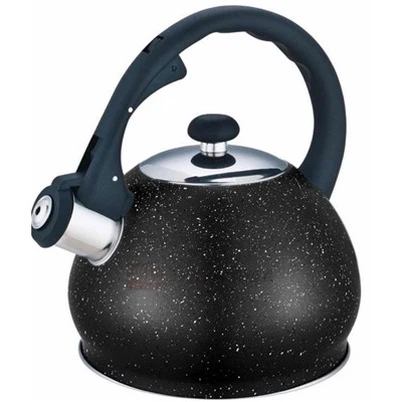
If you are someone who values the visual appeal of your kitchen, you may find it challenging to find a whistling tea pot that matches your kitchen decor. While there are some stylish options available, such as our Black Color And Marble Tea Pots, the range of designs is still relatively limited compared to other types of tea - making equipment.
Cost
In some cases, whistling tea pots can be more expensive than other tea - making alternatives. High - quality whistling tea pots made of premium materials, such as stainless steel or ceramic, can come with a hefty price tag. Additionally, if you need to replace parts of the tea pot, such as the whistle or the handle, it can add to the overall cost.
Compared to basic electric kettles, which are often more affordable and come with a range of features, whistling tea pots may not offer the best value for money, especially considering their limitations in terms of precision, energy efficiency, and design.
Conclusion
While whistling tea pots have a certain charm and nostalgia associated with them, they do come with several disadvantages. From limited precision in boiling water to noise pollution, safety concerns, and maintenance issues, there are many factors that consumers should consider before purchasing a whistling tea pot.
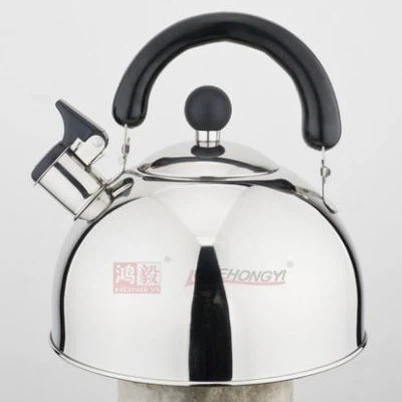
However, at our company, we understand that some people still prefer the traditional experience of using a whistling tea pot. That's why we offer a wide range of high - quality whistling tea pots, including Stove Top Tea Pots, to meet the diverse needs of our customers.
If you're interested in purchasing our whistling tea pots or have any questions about our products, we encourage you to contact us for a procurement discussion. We're committed to providing you with the best products and services to enhance your tea - making experience.


References
- "The Art of Tea Brewing" by Jane Smith
- "Kitchen Appliance Handbook" by John Doe
- "Safety Guidelines for Stovetop Use" by National Kitchen Safety Association