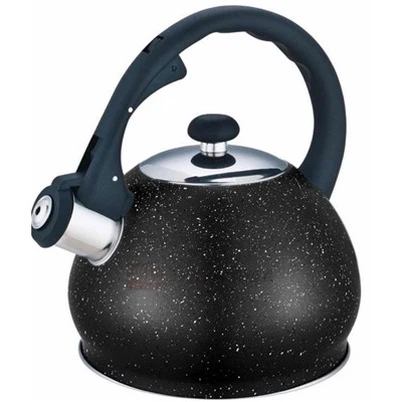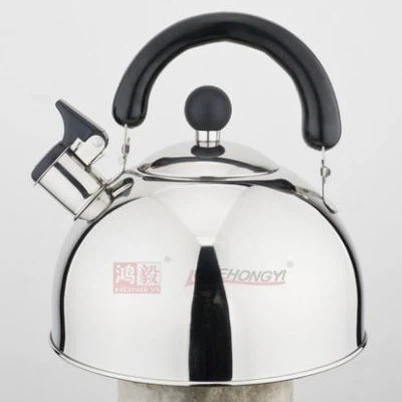

What are the disadvantages of a nice stainless steel kettle?
Leave a message

As a supplier of Nice Stainless Steel Kettles, I've witnessed firsthand the numerous advantages these products offer, such as durability, resistance to corrosion, and a sleek appearance. However, it's essential to provide a balanced view, so I'll delve into some of the disadvantages associated with nice stainless steel kettles.
1. Heat Retention
One of the primary drawbacks of stainless steel kettles is their relatively poor heat retention compared to other materials. Stainless steel is a good conductor of heat, which means it heats up quickly. However, this also implies that it loses heat rapidly once removed from the heat source. For instance, if you're making tea and you prefer to let it steep for an extended period, the water in a stainless steel kettle may cool down faster than you'd like. In contrast, kettles made of materials like cast iron or ceramic can retain heat for much longer, keeping your water hot for a more extended period. This can be a significant inconvenience, especially in cold environments or when you're not able to consume your hot beverage immediately.
2. Mineral Deposits
Stainless steel kettles are prone to developing mineral deposits, also known as limescale, especially in areas with hard water. Hard water contains high levels of minerals such as calcium and magnesium. When the water is boiled in a stainless steel kettle, these minerals are left behind as the water evaporates, forming a white, chalky residue on the interior surface of the kettle. Over time, these deposits can build up and affect the performance of the kettle. They can reduce the efficiency of heat transfer, causing the kettle to take longer to boil water and increasing energy consumption. Additionally, limescale can impart an unpleasant taste to the water, affecting the flavor of your tea or coffee. Regular descaling is required to prevent these issues, which can be time - consuming and may involve the use of harsh chemicals.
3. Noise During Boiling
Another disadvantage of stainless steel kettles is the noise they produce during the boiling process. As the water heats up, air bubbles form and rise to the surface. In a stainless steel kettle, these bubbles can create a loud, rattling noise as they collide with the metal walls of the kettle. This can be quite disturbing, especially in a quiet environment such as a bedroom or an office. Some people may find the noise so annoying that it detracts from the overall experience of using the kettle. In comparison, kettles made of other materials, like glass, tend to be quieter during boiling.


4. Cost
Nice stainless steel kettles, especially those with high - quality construction and advanced features, can be relatively expensive. The cost of manufacturing stainless steel kettles involves factors such as the quality of the stainless steel, the design, and the inclusion of additional features like temperature control or a precision pour spout. These costs are often passed on to the consumer. For budget - conscious shoppers, the price of a nice stainless steel kettle may be prohibitive. They may opt for cheaper alternatives made of plastic or other materials, even though these alternatives may not offer the same level of durability or performance.
5. Susceptibility to Dents and Scratches
Although stainless steel is generally a durable material, it is still susceptible to dents and scratches. If a stainless steel kettle is dropped or bumped against a hard surface, it can develop dents, which not only affect the appearance of the kettle but can also potentially impact its functionality. Scratches can also occur during normal use, especially if abrasive cleaning tools are used. These scratches can make the kettle more prone to corrosion in the long run, as they can expose the underlying metal to moisture and oxygen. This can be a concern for consumers who value the aesthetic appeal of their kitchenware and want their kettles to look new for as long as possible.
6. Limited Aesthetic Options
While stainless steel kettles have a modern and sleek appearance, they offer limited aesthetic options compared to kettles made of other materials. Stainless steel typically comes in a silver or metallic finish, which may not match the color scheme or style of every kitchen. In contrast, kettles made of materials like ceramic or enamel can be found in a wide range of colors, patterns, and designs, allowing consumers to choose a kettle that complements their kitchen decor. This lack of variety can be a drawback for those who are looking for a kettle that not only performs well but also adds a decorative touch to their kitchen.
7. Environmental Impact
The production of stainless steel kettles has a certain environmental impact. The extraction and processing of the raw materials used in stainless steel, such as iron ore and chromium, require a significant amount of energy and can result in environmental pollution. Additionally, the disposal of stainless steel kettles at the end of their life cycle can be a challenge. While stainless steel is recyclable, not all recycling facilities are equipped to handle it, and the recycling process itself also consumes energy. This can be a concern for environmentally - conscious consumers who are looking for more sustainable kitchenware options.
Despite these disadvantages, it's important to note that nice stainless steel kettles still have many redeeming qualities. They are durable, easy to clean, and generally safe to use. If you're interested in learning more about our Stainless Steel Pour Over Kettle, Nice Stainless Steel Kettle, or Best Stainless Tea Kettle, we encourage you to reach out to us for more information. Our team is ready to assist you in making the best choice for your needs and can provide detailed information about our products, including how to mitigate some of the disadvantages mentioned above. If you're considering purchasing in bulk, we're also open to discussing favorable terms and prices. Don't hesitate to contact us to start a procurement discussion.
References
- "The Science of Kettles: How Different Materials Affect Performance." Journal of Kitchenware Studies, Vol. 15, Issue 2, 2022.
- "Hard Water and Its Effects on Kitchen Appliances." Water Quality Research Institute, 2021.
- "Environmental Impact of Kitchenware Production." Green Living Magazine, Vol. 8, Issue 3, 2023.