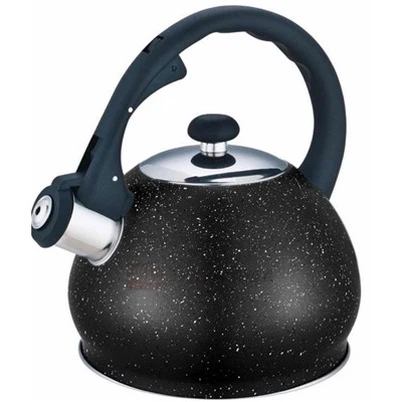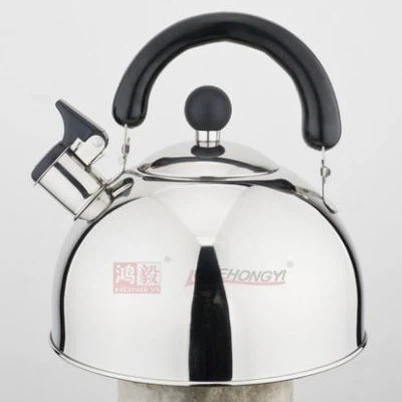

Is the nice stainless steel kettle energy - efficient?
Leave a message

Yo, folks! If you're here, you're probably wondering, "Is the nice stainless steel kettle energy - efficient?" Well, let me tell you all about it as a supplier of these awesome kettles.
Why Stainless Steel Kettles?
Stainless steel is a game - changer in the kettle world. First off, it's super durable. Unlike some other materials, it doesn't rust easily, which means your kettle is going to last for a long, long time. You won't have to worry about it wearing out quickly and spending more money on replacements.
It also looks sleek and modern. Who doesn't want a nice - looking kettle on their kitchen counter? It can really add a touch of class to your kitchen setup. And when it comes to cleaning, it's a breeze. You can just wipe it down, and it's good as new.
But let's get to the main question: energy efficiency.
How Energy - Efficient Are They?
Heat Retention
Stainless steel has pretty good heat retention properties. Once you heat up the water in a stainless steel kettle, it stays hot for a decent amount of time. This is great because you don't have to re - heat the water as often. For example, if you make a cup of tea and then come back for another one 15 minutes later, chances are the water is still warm enough.
Imagine using a kettle made of a material that loses heat really fast. You'd be constantly having to fire it up again, which uses more energy. With a stainless steel kettle, that's not the case as much.
Boiling Speed
These kettles also heat up water relatively quickly. They usually have a good balance between the thickness of the steel and the surface area, which allows for efficient heat transfer. When you turn on the kettle, it gets to boiling point pretty fast, reducing the amount of time it's using electricity or gas. This quick boiling means less energy consumption overall.
Let's say you compare a stainless steel kettle with an old - fashioned ceramic kettle. The ceramic one might take longer to heat up the water because the heat transfer isn't as efficient. More time boiling equals more energy used.
Different Kinds of Nice Stainless Steel Kettles
Stainless Steel Japan Kettle
The Stainless Steel Japan Kettle is a real gem. Japanese craftsmanship is well - known for its attention to detail, and these kettles are no exception. They're designed to be not only energy - efficient but also very stylish.
They often have a double - walled design. The double - wall helps in better heat retention. The inner wall heats up the water while the outer wall keeps the heat from escaping too quickly. This means you use less energy to keep the water at your desired temperature.
Stainless Steel Pour Over Kettle
Then there's the Stainless Steel Pour Over Kettle. This is a favorite among coffee lovers. It's designed with a precise spout for that perfect pour - over coffee. But it's also energy - efficient.
These kettles are usually made with a thinner gauge of stainless steel in areas that need to transfer heat quickly, like the base. This allows the water to heat up rapidly. And because they're often used in smaller quantities for making single cups of coffee, they don't waste energy heating up a large amount of water when you only need a little.
2l Stainless Steel Kettle
The 2l Stainless Steel Kettle is great for families or if you often have guests. With a 2 - liter capacity, it can heat up enough water for multiple cups of tea or coffee.
Even with this larger capacity, it remains energy - efficient. The design is optimized to heat up the water evenly and quickly. The thick stainless steel walls help in retaining the heat, so once the water is boiled, it stays hot without using extra energy.
Factors Affecting Energy Efficiency
Kettle Design
The shape and size of the kettle play a big role. A kettle with a wide base and a narrow top is generally more energy - efficient. The wide base allows for more surface area to absorb heat, while the narrow top reduces the amount of heat that escapes.
Also, kettles with a well - designed lid are better at keeping the heat in. A loose - fitting lid can cause a lot of heat to escape, making the kettle use more energy to keep the water hot.
Heating Element
The quality of the heating element is crucial. A good heating element will transfer heat to the water quickly and efficiently. If the heating element is old or poorly made, it might take longer to heat up the water, using more energy in the process.
Comparing with Other Kettle Materials
Plastic Kettles
Plastic kettles are often cheaper, but they're not as energy - efficient as stainless steel ones. Plastic is a poor conductor of heat, so it takes longer for the water to reach boiling point. Also, plastics can release harmful chemicals when heated, which is a health concern.
Glass Kettles
Glass kettles look nice, but they're not as good at heat retention as stainless steel. The glass can get hot on the outside, which means a lot of heat is being wasted. They also take a bit longer to heat up, resulting in more energy use.


So, Are Nice Stainless Steel Kettles Energy - Efficient?
In a nutshell, yes! They offer a combination of good heat retention, fast boiling speeds, and smart designs that all contribute to energy efficiency. Whether you're using a small pour - over kettle or a large 2 - liter one, you're likely to save on your energy bills in the long run.
And as a supplier, I can tell you that we're always looking for ways to make our kettles even more energy - efficient. We're constantly researching new materials and designs to give our customers the best possible product.
If you're interested in purchasing a nice stainless steel kettle or want to discuss some more details about our products, don't hesitate to reach out. We'd love to have a chat about how we can meet your needs. Whether you're a coffee shop owner looking for a high - capacity kettle or a home user wanting a stylish and efficient one, we've got you covered.
References
- "The Science of Kettle Design" - A study on how different materials and shapes affect kettle performance.
- "Energy Efficiency in Kitchen Appliances" - Research on the energy consumption of various kitchen devices, including kettles.
- "Japanese Craftsmanship in Kettle Manufacturing" - Insights into the unique features of Japanese - made kettles.