
How to test the whistle of a new whistling tea pot?
Leave a message

Hey there tea lovers! As a proud supplier of Whistling Tea Pots, I've seen firsthand how these nifty little gadgets can transform your tea - brewing experience. One of the most common questions I get from customers and potential buyers is, "How do you test the whistle of a new whistling tea pot?" Well, stick around, and I'll walk you through the process.


First Things First: Safety
Before we dive into testing the whistle, safety should always be your top priority. A whistling tea pot involves boiling water, which can be dangerous if not handled correctly. Make sure you're wearing appropriate clothing, keep your hands away from the spout and the steam, and place the tea pot on a stable, heat - resistant surface.
Step 1: Fill the Tea Pot
Start by filling your whistling tea pot with water. You don't want to overfill it, but also make sure there's enough water to reach a proper boil. A good rule of thumb is to fill it about two - thirds full. This gives the water enough room to expand as it heats up without overflowing.
Step 2: Place on the Heat Source
Place the tea pot on your chosen heat source. Whether it's a gas stove, an electric stove, or even a campfire, make sure the heat is evenly distributed under the base of the pot. If you're using a stove, turn the heat to a medium - high setting. This will bring the water to a boil relatively quickly.
Step 3: Observe the Heating Process
As the water begins to heat, keep an eye on the tea pot. You'll notice small bubbles starting to form at the bottom of the pot. These bubbles indicate that the water is starting to get hot. As the temperature rises, the bubbles will become more active and start rising to the surface.
Step 4: Wait for the Whistle
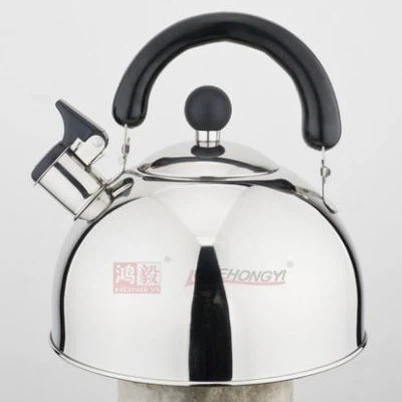
The moment we've all been waiting for! Once the water reaches its boiling point, the steam created will travel through the whistle mechanism. This causes the whistle to vibrate and produce that familiar whistling sound. If your tea pot doesn't have a strong and clear whistle, there might be an issue.
Step 5: Evaluate the Whistle
Now, it's time to evaluate the quality of the whistle. A good whistle should be loud enough to be heard from another room, clear, and consistent. If the whistle is weak, intermittent, or makes a strange noise, there could be a problem with the whistle mechanism.
Possible Issues and Solutions
Weak Whistle
If the whistle is weak, it could be due to a blockage in the whistle tube. Check the tube for any debris or mineral deposits. You can clean it by using a small brush or a pipe cleaner. Another reason could be that the steam isn't flowing properly. Make sure the spout is not obstructed and that the tea pot is at the correct angle on the heat source.
Intermittent Whistle
An intermittent whistle might indicate a problem with the steam pressure. Check if the lid is properly sealed. A loose lid can cause the steam to escape, reducing the pressure and making the whistle inconsistent. You can also check if the water level is too low. If there isn't enough water, the steam production might be irregular.
Strange Noise
A strange noise coming from the whistle could mean that there is a mechanical issue. In this case, it's best to contact the manufacturer or a professional for further inspection. It could be a problem with the shape or fit of the whistle components.
Additional Tips for Testing
- Test in a Quiet Environment: To accurately evaluate the whistle, test it in a quiet room. Background noise can make it difficult to hear the whistle clearly.
- Multiple Tests: Don't rely on just one test. Do a few rounds of boiling water to make sure the whistle works consistently over time.
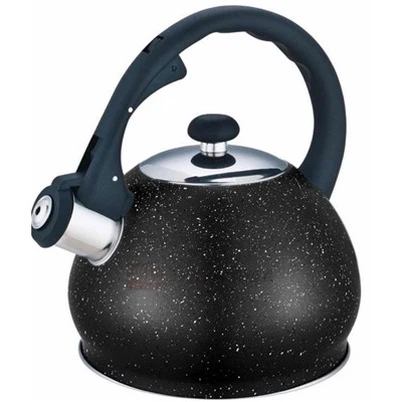
As a supplier, I take great pride in offering high - quality whistling tea pots. We have a wide range of options, including some really cool Black Color and Marble Tea Pots that not only whistle well but also look stunning on your kitchen counter. And if you need a larger capacity, our 3.5L Funky Tea Pots are a great choice.
If you're interested in purchasing our whistling tea pots, whether it's for your home, a tea shop, or a wholesale order, I invite you to reach out. We're always happy to talk about our products and answer any questions you might have. Our team is committed to providing excellent customer service and ensuring that you get the best tea pot for your needs.
References
- "Tea Pot and Kettle Safety Guide", Consumer Safety Association
- "Understanding Steam Whistle Mechanics", Engineering Journal of Kitchen Appliances