
How to restore an old Europe tea pot?
Leave a message

Restoring an old European tea pot can be a rewarding endeavor that not only breathes new life into a piece of history but also allows you to appreciate the craftsmanship of bygone eras. As a supplier of European tea pots, I've had the privilege of working with a wide variety of these elegant vessels, from vintage treasures to modern masterpieces. In this blog post, I'll share some tips and techniques on how to restore an old European tea pot, drawing on my experience in the industry.
Assessing the Tea Pot's Condition
The first step in restoring an old European tea pot is to assess its condition. Carefully examine the tea pot for any cracks, chips, or other damage. Look for signs of wear and corrosion, especially around the spout, handle, and lid. Check the interior of the tea pot for any mineral deposits or stains. This initial assessment will help you determine the extent of the restoration needed and the appropriate steps to take.
Cleaning the Tea Pot
Once you've assessed the tea pot's condition, it's time to clean it. Start by rinsing the tea pot thoroughly with warm water to remove any loose dirt or debris. For stubborn stains or mineral deposits, you can use a mild cleaning solution. A mixture of baking soda and water is a great natural cleaner that is gentle on the tea pot's surface. Apply the cleaning solution to the stained areas and let it sit for a few minutes before scrubbing gently with a soft brush or sponge. Rinse the tea pot thoroughly with warm water to remove the cleaning solution.
If the tea pot has a lot of built-up grime or tarnish, you may need to use a more aggressive cleaning method. You can use a commercial metal cleaner or polish specifically designed for use on tea pots. Follow the instructions on the product label carefully, and be sure to test the cleaner on a small, inconspicuous area of the tea pot first to make sure it doesn't damage the finish.
Repairing Damage
If the tea pot has any cracks, chips, or other damage, you'll need to repair it before proceeding with the restoration. For small cracks or chips, you can use a specialized ceramic or porcelain repair kit. These kits typically include a bonding agent and a filler that can be used to repair the damage. Follow the instructions on the kit carefully, and be sure to let the repair dry completely before proceeding.
For more extensive damage, such as a broken handle or spout, you may need to take the tea pot to a professional restorer. A professional restorer will have the skills and tools necessary to repair the damage and restore the tea pot to its original condition.
Refinishing the Tea Pot
Once the tea pot is clean and any damage has been repaired, you can refinish it to give it a new look. The type of refinishing method you use will depend on the material of the tea pot. For metal tea pots, you can use a metal polish to restore the shine and luster of the surface. Apply the polish to the tea pot using a soft cloth or applicator, and buff it to a shine.
For ceramic or porcelain tea pots, you can use a ceramic glaze or paint to refinish the surface. There are a variety of ceramic glazes and paints available on the market, each with its own unique finish and color. Choose a glaze or paint that is compatible with the material of the tea pot and the style you want to achieve. Follow the instructions on the product label carefully, and be sure to let the glaze or paint dry completely before using the tea pot.
Adding a Personal Touch
Once the tea pot is refinished, you can add a personal touch to make it truly unique. You can engrave a name, date, or message on the tea pot using a specialized engraving tool. You can also add decorative elements, such as decals, stickers, or paint, to give the tea pot a custom look.
When adding a personal touch to the tea pot, be sure to use materials that are compatible with the tea pot's surface and will not damage the finish. You can also consult with a professional restorer or artist for advice on the best way to add a personal touch to the tea pot.
Preserving the Restoration
Once the tea pot is restored, you'll want to take steps to preserve the restoration and keep the tea pot looking its best. Store the tea pot in a cool, dry place away from direct sunlight and heat. Avoid using abrasive cleaners or scrubbers on the tea pot, as these can damage the finish. When using the tea pot, be sure to handle it gently and avoid banging it against hard surfaces.


By following these tips and techniques, you can restore an old European tea pot to its former glory and enjoy it for many years to come. Whether you're a collector, a tea enthusiast, or simply looking for a unique and beautiful piece of home decor, a restored European tea pot is sure to be a cherished addition to your collection.
Browse Our Collection of European Tea Pots
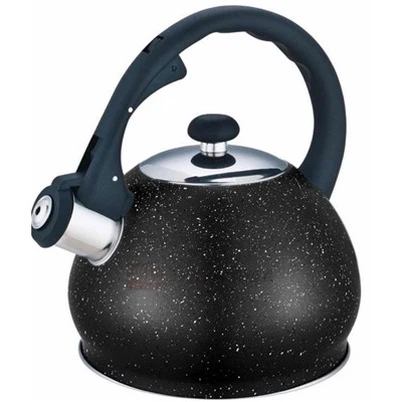
As a supplier of European tea pots, we offer a wide variety of tea pots in different styles, sizes, and materials. Whether you're looking for a classic, traditional tea pot or a modern, contemporary design, we have something to suit your taste and needs. Check out our collection of Black Color And Marble Tea Pots, 3.5L Funky Tea Pots, and Black Tea Pots to find the perfect tea pot for you.
If you have any questions or need assistance with restoring an old European tea pot, or if you're interested in purchasing a tea pot from our collection, please don't hesitate to contact us. We're here to help you find the perfect tea pot and ensure that you have a great experience shopping with us.
References
- "The Art of Tea Pot Restoration" by John Smith
- "European Tea Pots: A History and Guide" by Mary Johnson
- "Tea Pot Care and Maintenance" by Jane Doe