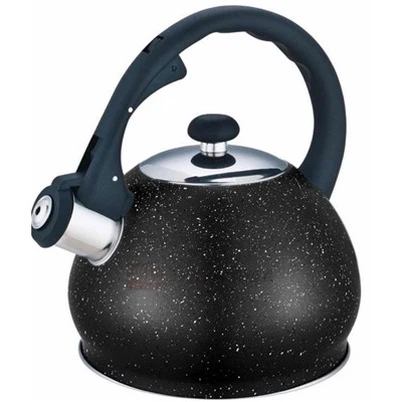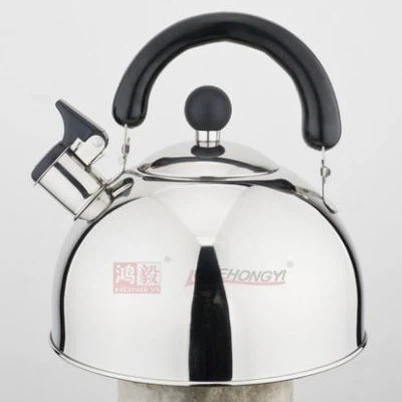

How to prevent a stainless steel tea kettle from making a rattling noise when boiling?
Leave a message

Hey there! As a supplier of stainless steel tea kettles, I've heard a common complaint from users - the rattling noise when the kettle is boiling. It can be quite annoying, right? But don't worry, I'm here to share some practical tips on how to prevent that pesky rattling.

First off, let's understand why this rattling happens. Usually, it's due to a few main reasons. One is the build - up of mineral deposits inside the kettle. Over time, as you keep boiling water, minerals like calcium and magnesium in the water can stick to the bottom and sides of the kettle. When the water boils, these deposits can vibrate and cause that rattling sound. Another reason could be loose parts inside the kettle, like the lid or the handle. If they're not properly secured, they'll shake around when the water is boiling.
Dealing with Mineral Deposits
The easiest way to prevent the rattling caused by mineral deposits is to regularly descale your kettle. You don't need any fancy chemicals for this. Good old white vinegar works like a charm. Fill your kettle about half - way with white vinegar and the other half with water. Then, bring it to a boil. Let it sit for about 15 - 20 minutes after it boils. The acid in the vinegar will dissolve the mineral deposits. After that, pour out the vinegar - water mixture and rinse the kettle thoroughly with clean water. You can do this every couple of months, depending on how hard your water is. If you live in an area with very hard water, you might want to do it more often.
Another natural option is lemon juice. Squeeze a few lemons into the kettle and add some water. Boil it and let it sit for a while, just like with the vinegar. The citric acid in the lemon juice will also help break down the deposits.
Checking and Securing Loose Parts
Now, let's talk about those loose parts. Start with the lid. Make sure it fits snugly on the kettle. If it seems loose, check if there are any adjustable parts on the lid or the kettle's opening. Sometimes, a simple adjustment can make it fit better. If the lid has a hinge or a latch, make sure it's tightened properly. You can use a small screwdriver to tighten any loose screws.
The handle is another part that can cause rattling. Check if the handle is firmly attached to the kettle. If it wobbles, there might be a screw or a nut that needs tightening. Again, use a screwdriver or a wrench to fix it. If the handle is made of a material that can expand and contract with heat, like plastic, it might become a bit loose over time. In that case, you can try tightening the connection, but if it's too loose, you might need to contact the manufacturer for a replacement part.
Proper Filling and Heating
How you fill and heat your kettle can also affect the rattling. Don't overfill the kettle. When you put too much water in it, the water can splash around more vigorously when boiling, which can lead to rattling. Follow the manufacturer's recommended maximum fill line.
Also, make sure you're using the right heat source. If you're using a gas stove, check out our Best Rated Tea Kettle for Gas Stove. Using the wrong heat setting can cause uneven heating, which might result in rattling. For example, if the heat is too high, the water can boil too violently. So, start with a medium heat and adjust as needed.
Choosing the Right Kettle
When you're in the market for a new stainless steel tea kettle, there are a few things to look out for to avoid rattling in the first place. Look for a kettle with a thick bottom. A thicker bottom distributes heat more evenly, reducing the chances of uneven boiling and rattling. Also, check the construction quality. Kettles with well - made joints and parts are less likely to have loose components that cause rattling.
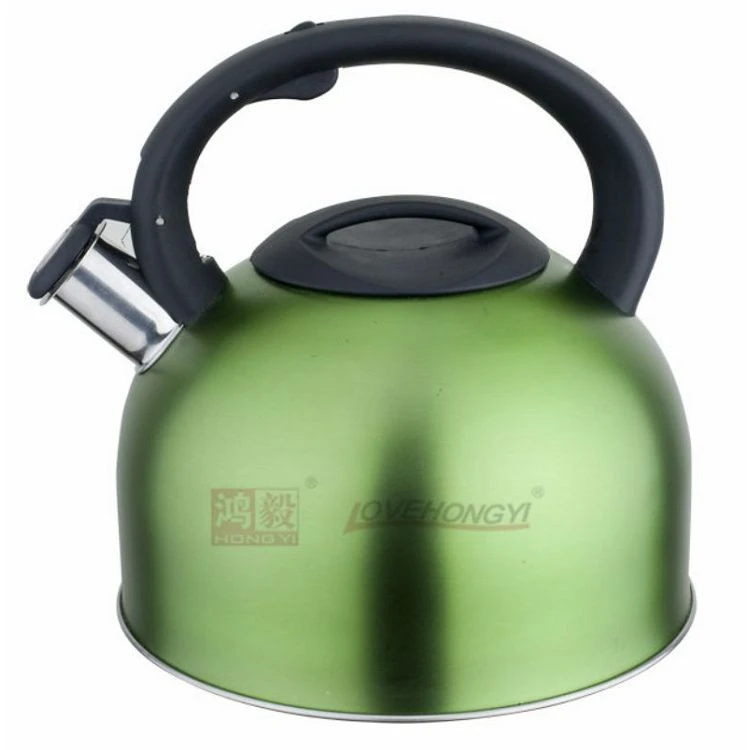
We offer a variety of high - quality stainless steel tea kettles, like our Green Color Body Tea Kettle and Orange Stainless Steel Tea Kettle. These kettles are designed with durability and performance in mind, and they're less likely to give you that annoying rattling problem.
Other Tips
Here are a few more tips to keep your kettle quiet. Don't move the kettle around too much while it's boiling. The movement can cause the water to slosh and create noise. Also, place the kettle on a flat and stable surface. If it's on an uneven surface, it can vibrate more when the water boils.
If you've tried all these methods and the rattling still persists, it might be a sign that there's a more serious issue with the kettle. In that case, it's a good idea to contact the manufacturer or a professional for help.
As a supplier of stainless steel tea kettles, we're always committed to providing you with the best products and solutions. If you're interested in purchasing our tea kettles in bulk for your business or just want to explore more options, feel free to reach out for a procurement discussion. We're here to work with you to meet your needs.
References
- "Home Maintenance for Kitchen Appliances", General Home Care Guide
- "The Chemistry of Descaling", Science in the Kitchen Journal