
How to prevent a small metal kettle from rusting?
Leave a message

Hey there! As a supplier of Small Metal Kettles, I've seen firsthand how quickly these little beauties can start to rust if not properly cared for. Rust not only looks bad but can also affect the quality of the water you boil in your kettle. So, in this blog, I'm gonna share some tips on how to prevent a small metal kettle from rusting.
Understanding Why Metal Kettles Rust
Before we dive into the prevention methods, it's important to understand why metal kettles rust in the first place. Rust is basically a form of corrosion that happens when iron in the metal reacts with oxygen in the presence of water. This chemical reaction forms iron oxide, which we know as rust.

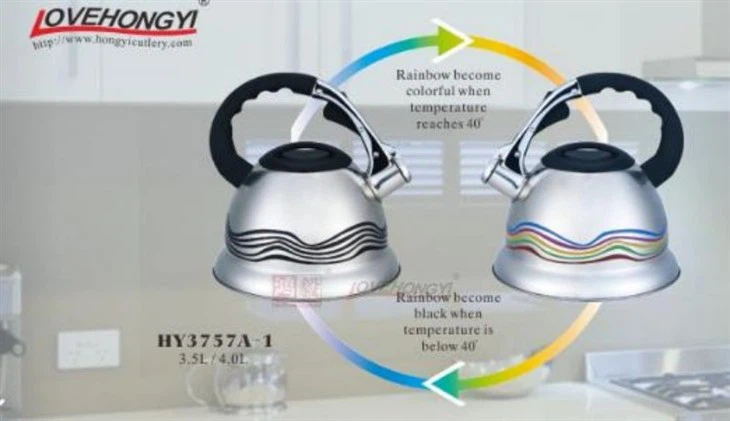
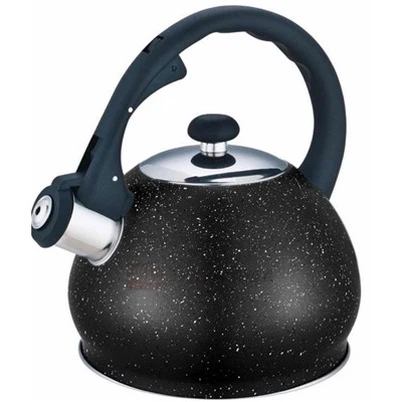
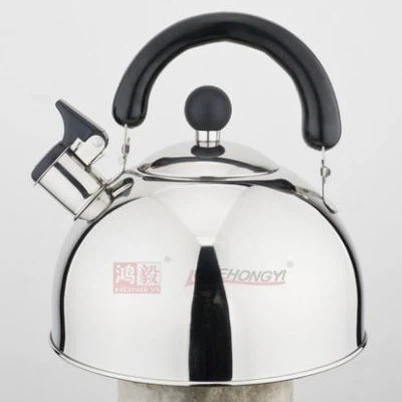
Most small metal kettles are made from stainless steel, which is generally resistant to rust. However, if the protective layer on the stainless steel gets damaged or if the kettle is exposed to certain conditions, rust can still form. Things like hard water, which contains high levels of minerals, can also speed up the rusting process.
Choose the Right Kettle
The first step in preventing rust is to choose the right kettle. When you're in the market for a small metal kettle, look for one made from high - quality stainless steel. High - grade stainless steel has a higher chromium content, which forms a protective layer on the surface of the metal and makes it more resistant to rust.
You can check out our Brushed Metal Kettle and Tea Kettle Metal options. These kettles are made from top - notch stainless steel that's built to last and resist rust. And of course, don't forget to take a look at our Small Metal Kettle collection, which offers a variety of sizes and styles to suit your needs.
Keep It Clean
Regular cleaning is key to preventing rust. After each use, make sure to empty the kettle and dry it thoroughly. Leaving water sitting in the kettle for long periods can create a perfect environment for rust to form.
Use a mild detergent and a soft sponge to clean the inside and outside of the kettle. Avoid using abrasive cleaners or scrubbers, as they can scratch the surface of the metal and damage the protective layer. If there are any stubborn stains or mineral deposits, you can make a solution of equal parts water and white vinegar. Fill the kettle with this solution and let it sit for about 30 minutes. Then, empty the kettle and rinse it well with clean water.
Avoid Hard Water
As I mentioned earlier, hard water can be a major culprit when it comes to rusting. If you live in an area with hard water, consider using filtered or distilled water in your kettle. You can use a water filter pitcher or a whole - house water filtration system to remove the minerals from your water.
Another option is to descale your kettle regularly. You can use a commercial descaling product or make your own descaling solution using lemon juice or vinegar. Just follow the instructions on the product or use the same method as described above for cleaning stubborn stains.
Store It Properly
How you store your small metal kettle can also affect its rust resistance. Make sure to store the kettle in a dry place. Avoid storing it in a damp basement or a humid bathroom. If you're not going to use the kettle for a long time, dry it completely and store it in a plastic bag or a container to protect it from moisture in the air.
Apply a Protective Coating
Some people like to apply a protective coating to their metal kettles to further prevent rust. You can use a food - grade silicone spray or a thin layer of vegetable oil. Just make sure to clean the kettle thoroughly before applying the coating and wipe off any excess.
Inspect It Regularly
It's a good idea to inspect your small metal kettle regularly for any signs of rust or damage. Check the inside and outside of the kettle, paying special attention to the seams and the bottom. If you notice any small spots of rust, you can try to remove them immediately using a soft cloth and a little bit of vinegar. If the rust is more extensive, it might be time to replace the kettle.
Conclusion
Preventing a small metal kettle from rusting isn't rocket science. By choosing the right kettle, keeping it clean, avoiding hard water, storing it properly, applying a protective coating, and inspecting it regularly, you can keep your kettle looking and working great for years to come.
If you're interested in purchasing a high - quality small metal kettle or have any questions about preventing rust, don't hesitate to reach out. We're here to help you find the perfect kettle for your needs and ensure that you get the most out of it.
References
- "Stainless Steel: Properties and Applications" - A general guide on stainless steel and its resistance to corrosion.
- "Water Quality and Its Impact on Household Appliances" - A study on how water quality can affect the lifespan and performance of metal kettles.
- "Home Remedies for Cleaning and Maintaining Metal Kettles" - An article that provides practical tips on cleaning and preventing rust in metal kettles.