
How to maintain a stainless steel tea kettle?
Leave a message

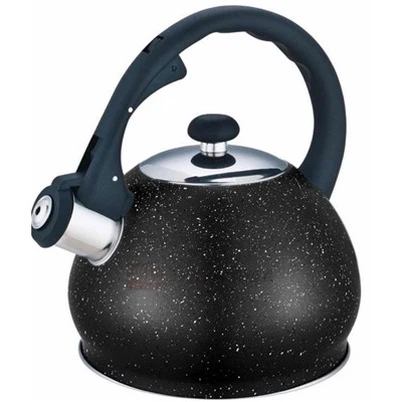
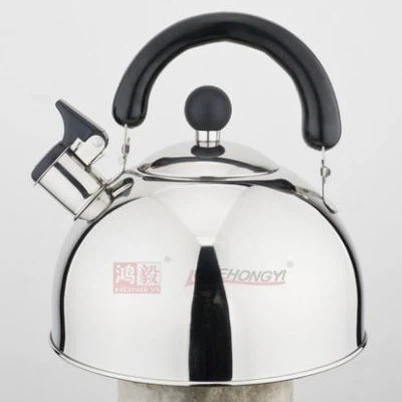
Hey there! As a supplier of stainless steel tea kettles, I've seen firsthand how these nifty little gadgets can become an essential part of your daily routine. They're not just about boiling water; they're about adding a touch of style and convenience to your tea - making experience. But like any good thing, they need a bit of love and care to keep them in top - notch condition. So, let's dive into how you can maintain your stainless steel tea kettle.


Regular Cleaning
The first and most basic step in maintaining your stainless steel tea kettle is regular cleaning. After each use, it's a good idea to wash it out. Just fill it up with warm, soapy water and give it a gentle swish around. Then, use a soft sponge or cloth to wipe the inside and outside of the kettle. Avoid using abrasive materials like steel wool or harsh scouring pads because they can scratch the stainless steel surface. Scratches not only make the kettle look bad but can also provide a place for bacteria to hide.
Once you've wiped it clean, rinse the kettle thoroughly with clean water to get rid of any soap residue. You don't want that soapy taste in your next cup of tea! After rinsing, dry the kettle completely. Leaving it wet can lead to water spots, which are not only unsightly but can also cause the metal to corrode over time. A simple kitchen towel works great for drying.
Dealing with Mineral Deposits
One of the most common problems with tea kettles, especially if you have hard water, is the build - up of mineral deposits. These deposits, usually made up of calcium and magnesium, can accumulate inside the kettle over time and affect its performance. You'll notice a white or chalky substance on the bottom and sides of the kettle.
To get rid of these deposits, you can use a natural cleaning solution. A mixture of equal parts white vinegar and water is a great option. Fill the kettle about halfway with this solution and let it sit for about an hour or so. The acid in the vinegar will help dissolve the mineral deposits. After an hour, bring the solution to a boil and then let it cool down. Once it's cool, pour out the solution and rinse the kettle thoroughly with clean water.
If the deposits are really stubborn, you might need to repeat the process a few times. Another option is to use lemon juice. Just squeeze a few lemons into the kettle and add some water. Let it sit and follow the same steps as with the vinegar solution.
Keeping the Exterior Shiny
The outside of your stainless steel tea kettle also needs some attention. Over time, it can get fingerprints, smudges, and general dirt. To keep it looking shiny, you can use a stainless - steel cleaner. You can find these cleaners at most home improvement stores or online.
Just spray the cleaner on a soft cloth and then wipe the outside of the kettle in the direction of the grain. The grain is the subtle lines on the stainless steel surface. Wiping in the direction of the grain helps prevent scratches and gives the kettle a nice, even finish. After wiping, buff the kettle with a dry cloth to make it extra shiny.
Handling the Lid and Spout
Don't forget about the lid and spout of your tea kettle. These parts can get clogged with debris or have a build - up of mineral deposits just like the inside of the kettle. For the lid, remove it and wash it separately with warm, soapy water. Make sure to clean any crevices or small holes where dirt can accumulate.
The spout can be a bit tricky. You can use a pipe cleaner or a small brush to clean the inside of the spout. If there are mineral deposits in the spout, soak it in the vinegar or lemon juice solution mentioned earlier. This will help dissolve the deposits and keep the water flowing smoothly when you pour your tea.
Storage
When you're not using your tea kettle, proper storage is important. First, make sure it's completely dry before storing it. You don't want any moisture to get trapped inside and cause rust or mold. You can store it on a kitchen shelf, but try to keep it away from other sharp objects that could scratch it.
If you have a lot of space, you can hang the kettle on a hook. This not only saves space but also keeps it easily accessible. Just make sure the hook is strong enough to hold the weight of the kettle, especially if it's a larger one like our 2.5 Liter Stainless Steel Camp Tea Kettle.
Avoiding Overheating
Overheating is a big no - no for your stainless steel tea kettle. When you're boiling water, always keep an eye on it. Don't let the kettle boil dry. Boiling dry can damage the heating element (if it's an electric kettle) or cause the metal to warp and discolor.
If you're using a stovetop kettle, make sure the burner size matches the base of the kettle. Using a burner that's too large can cause the sides of the kettle to overheat and get damaged.
Our Product Range
We offer a wide range of stainless steel tea kettles to suit different needs. For those who love camping, our 2.5 Liter Stainless Steel Camp Tea Kettle is a great choice. It's large enough to make tea for a group and is built to withstand the rigors of outdoor use.
If you have an induction cooktop, check out our Stainless Steel Tea Kettle Induction. It's specially designed to work efficiently on induction stoves. And for those who appreciate a bit of old - fashioned charm, our Antique Stainless Steel Tea Kettle is a beautiful addition to any kitchen.
Contact Us for Purchasing
If you're interested in our stainless steel tea kettles or have any questions about maintenance, feel free to reach out. We're here to help you make the most of your tea - making experience. Whether you're a tea enthusiast or just looking for a reliable kettle for your kitchen, we've got you covered.
References
- "The Complete Guide to Stainless Steel Care" - Home Maintenance Magazine
- "Stainless Steel Products: Usage and Care" - Manufacturer's Handbook