
How to descale an all - metal tea kettle?
Leave a message

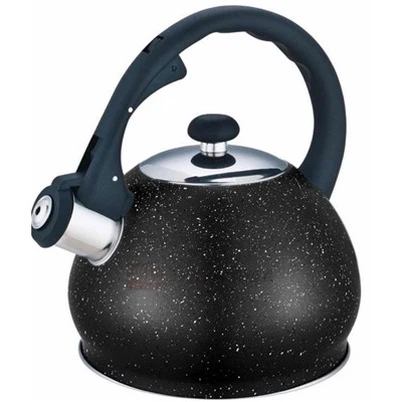
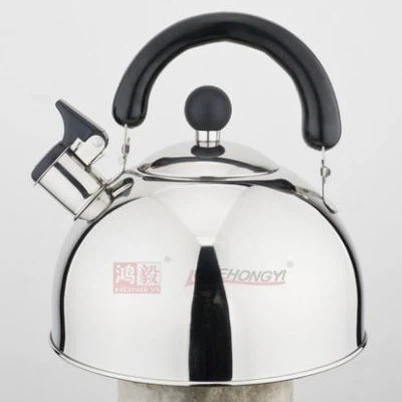
Descaling an all-metal tea kettle is an essential maintenance task that ensures the longevity and optimal performance of your kettle. As a supplier of All Metal Tea Kettle, I understand the importance of keeping these high-quality kettles in top condition. In this blog post, I'll share some effective methods to descale your all-metal tea kettle and provide tips on how to prevent future scale buildup.
Understanding Scale Buildup
Scale, also known as limescale, is a hard, chalky deposit that forms inside the tea kettle over time. It is primarily composed of calcium and magnesium carbonate, which are minerals commonly found in hard water. When water is heated, these minerals precipitate out of the solution and adhere to the inner surface of the kettle. Scale buildup not only affects the taste of your tea but also reduces the efficiency of the kettle by insulating the heating element, leading to longer boiling times and increased energy consumption.
Signs That Your Tea Kettle Needs Descaling
- Visible Scale Deposits: One of the most obvious signs is the presence of white or off-white deposits on the inside of the kettle, especially around the waterline and the heating element.
- Longer Boiling Times: If you notice that your kettle is taking longer to boil water than usual, it could be due to scale buildup.
- Strange Noises: Scale can cause the kettle to make a rattling or humming noise when boiling water.
- Reduced Water Flow: Scale can clog the spout or the filter of the kettle, resulting in a reduced water flow.
Materials Needed for Descaling
- Vinegar: White distilled vinegar is a natural and effective descaling agent. It contains acetic acid, which dissolves scale deposits.
- Lemon Juice: Lemon juice is another natural alternative to vinegar. It contains citric acid, which can also break down scale.
- Baking Soda: Baking soda is a mild abrasive that can help remove stubborn scale deposits.
- Soft Brush: A soft brush, such as a toothbrush or a bottle brush, can be used to scrub the inside of the kettle.
- Clean Cloth: A clean cloth is needed to wipe the kettle dry after descaling.
Descaling Methods
Method 1: Using Vinegar
- Fill the Kettle: Fill the kettle with equal parts of white distilled vinegar and water. For example, if your kettle has a capacity of 1 liter, add 500 ml of vinegar and 500 ml of water.
- Boil the Mixture: Place the kettle on the stove and bring the vinegar and water mixture to a boil. Let it boil for about 10-15 minutes.
- Let It Soak: After boiling, turn off the heat and let the kettle soak in the vinegar and water mixture for at least 1 hour. This will allow the vinegar to dissolve the scale deposits.
- Scrub the Kettle: Use a soft brush to scrub the inside of the kettle, paying special attention to the areas with heavy scale buildup.
- Rinse the Kettle: Empty the kettle and rinse it thoroughly with clean water several times to remove any remaining vinegar and scale particles.
- Boil Clean Water: Fill the kettle with clean water and boil it once or twice to remove any lingering vinegar smell.
Method 2: Using Lemon Juice
- Fill the Kettle: Fill the kettle with fresh lemon juice and water. You can use either freshly squeezed lemon juice or bottled lemon juice. The ratio of lemon juice to water can be 1:1 or 1:2, depending on the severity of the scale buildup.
- Boil the Mixture: Place the kettle on the stove and bring the lemon juice and water mixture to a boil. Let it boil for about 10-15 minutes.
- Let It Soak: After boiling, turn off the heat and let the kettle soak in the lemon juice and water mixture for at least 1 hour.
- Scrub the Kettle: Use a soft brush to scrub the inside of the kettle, especially the areas with scale deposits.
- Rinse the Kettle: Empty the kettle and rinse it thoroughly with clean water to remove any remaining lemon juice and scale particles.
- Boil Clean Water: Fill the kettle with clean water and boil it once or twice to remove any lemon smell.
Method 3: Using Baking Soda
- Make a Baking Soda Paste: Mix baking soda with a small amount of water to form a thick paste.
- Apply the Paste: Use a soft brush to apply the baking soda paste to the inside of the kettle, focusing on the areas with scale buildup.
- Scrub the Kettle: Let the baking soda paste sit on the scale deposits for about 15-20 minutes. Then, use a soft brush to scrub the kettle gently.
- Rinse the Kettle: Rinse the kettle thoroughly with clean water to remove the baking soda paste and the scale particles.
- Boil Clean Water: Fill the kettle with clean water and boil it once or twice to ensure that all the baking soda has been removed.
Preventing Future Scale Buildup
- Use Filtered Water: Using filtered water can reduce the amount of minerals in the water, which in turn reduces scale buildup. You can use a water filter pitcher or a faucet-mounted water filter.
- Empty the Kettle After Use: Emptying the kettle after each use and drying it thoroughly can prevent water from sitting in the kettle and forming scale.
- Regular Cleaning: Regularly cleaning the kettle, even if there is no visible scale buildup, can help prevent scale from accumulating. You can simply fill the kettle with water and add a small amount of vinegar or lemon juice. Boil the water and let it soak for a few minutes before rinsing.
- Descale Regularly: Depending on the hardness of your water, you should descale your kettle every 1-3 months to keep it in good condition.
Special Considerations for Brushed Metal Kettle
Brushed metal kettles have a unique finish that requires special care when descaling. Avoid using abrasive cleaners or scrubbers, as they can scratch the surface of the kettle. Instead, use a soft brush and a gentle descaling agent, such as vinegar or lemon juice. After descaling, rinse the kettle thoroughly and dry it with a soft cloth to prevent water spots.


Descaling Tea Kettle Metal with Different Metals
- Stainless Steel: Stainless steel is a common material used in tea kettles. It is resistant to corrosion and can withstand the acidic nature of vinegar and lemon juice. However, avoid using harsh chemicals or abrasive cleaners on stainless steel kettles, as they can damage the surface.
- Aluminum: Aluminum is a lightweight and affordable material, but it can react with acidic substances. When descaling an aluminum kettle, use a mild descaling agent, such as baking soda, and avoid using vinegar or lemon juice for an extended period.
- Copper: Copper kettles are known for their excellent heat conductivity. However, copper can react with acidic substances and develop a greenish patina. When descaling a copper kettle, use a specialized copper cleaner or a mixture of lemon juice and salt.
Conclusion
Descaling your all-metal tea kettle regularly is essential to maintain its performance and extend its lifespan. By following the methods and tips outlined in this blog post, you can keep your kettle in top condition and enjoy a perfect cup of tea every time. As a supplier of All Metal Tea Kettle, we are committed to providing high-quality products and helpful information to our customers. If you have any questions or need further assistance with descaling your tea kettle, please feel free to contact us. We are always here to help you make the most of your tea kettle. Whether you are a tea enthusiast or a business looking to purchase our products in bulk, we welcome you to reach out for procurement discussions. Let's work together to ensure you have the best all-metal tea kettles for your needs.
References
- "The Chemistry of Descaling Agents." Journal of Chemical Education.
- "How to Clean and Maintain Your Tea Kettle." Tea Enthusiast Magazine.
- "Scale Buildup in Kettles: Causes and Solutions." Home Appliance Research Journal.