
How to descale a stainless steel tea kettle without using chemicals?
Leave a message

As a supplier of high - quality Stainless Steel Tea Kettles, I understand the importance of maintaining these beautiful and functional kitchen items. Over time, stainless steel tea kettles can accumulate limescale, which not only affects the taste of the water but also reduces the efficiency of the kettle. In this blog, I'll share some effective and chemical - free ways to descale your stainless steel tea kettle.
Why Avoid Chemicals?
Using chemicals to descale a tea kettle might seem like a quick fix, but it comes with several drawbacks. Chemical descaling agents often contain harsh substances that can be harmful if ingested. Even if you rinse the kettle thoroughly after using chemicals, there's always a small risk of residue remaining. Moreover, these chemicals can be damaging to the environment. In contrast, natural descaling methods are safe for you, your family, and the planet.
Method 1: Vinegar and Water
Vinegar is a well - known natural descaling agent. Its acidic nature helps to break down limescale deposits. Here's how you can use it to descale your stainless steel tea kettle:
Step 1: Prepare the Solution
Mix equal parts of white vinegar and water. For example, if your kettle has a capacity of 1 liter, use 500 ml of vinegar and 500 ml of water. White vinegar is preferred because it is clear and won't leave any color on your kettle.
Step 2: Fill the Kettle
Pour the vinegar - water solution into the kettle until it covers the limescale deposits. If the limescale is only at the bottom, you don't need to fill the kettle completely.
Step 3: Boil the Solution
Place the kettle on the stove and bring the solution to a boil. Once it starts boiling, let it simmer for about 15 - 20 minutes. The heat and the vinegar will work together to dissolve the limescale.
Step 4: Let it Soak
After boiling, turn off the heat and let the kettle sit with the solution for another 30 minutes to an hour. This allows the vinegar to further break down the stubborn limescale.
Step 5: Rinse Thoroughly
Empty the kettle and rinse it several times with clean water. You may need to use a soft sponge or cloth to gently scrub away any remaining limescale. Make sure there is no vinegar smell left in the kettle before using it again.
Method 2: Lemon Juice
Lemon juice is another great natural alternative for descaling. It has a pleasant smell and contains citric acid, which is effective in removing limescale.
Step 1: Squeeze Fresh Lemons
Extract the juice from 2 - 3 fresh lemons. You can use a lemon squeezer to make the process easier.
Step 2: Add Water
Add enough water to the lemon juice to fill the kettle up to the level of the limescale deposits. The ratio of lemon juice to water can be around 1:3.
Step 3: Boil and Soak
Bring the lemon juice - water mixture to a boil in the kettle. Let it boil for 10 - 15 minutes, then turn off the heat and let it soak for 30 minutes. The citric acid in the lemon juice will gradually dissolve the limescale.


Step 4: Clean and Rinse
Use a soft brush or sponge to gently scrub the inside of the kettle. Rinse the kettle thoroughly with clean water until all the lemon juice and limescale are removed.
Method 3: Baking Soda
Baking soda is a mild abrasive and a natural cleaning agent. It can help to remove limescale without scratching the stainless steel surface.
Step 1: Make a Paste
Mix baking soda with a small amount of water to form a thick paste. You can adjust the consistency according to your needs.
Step 2: Apply the Paste
Use a soft cloth or sponge to apply the baking soda paste to the areas with limescale deposits. Make sure to cover all the affected areas evenly.
Step 3: Scrub Gently
Gently scrub the limescale with the cloth or sponge. The baking soda will help to loosen the deposits. Be careful not to scrub too hard, as this could scratch the stainless steel.
Step 4: Rinse
Rinse the kettle thoroughly with clean water to remove the baking soda and the loosened limescale.
Method 4: Apple Cider Vinegar
Apple cider vinegar can also be used to descale a stainless steel tea kettle. It has similar acidic properties to white vinegar but with a slightly different smell.
Step 1: Prepare the Mixture
Mix apple cider vinegar with water in a 1:1 ratio. Pour the mixture into the kettle, covering the limescale.
Step 2: Boil and Soak
Bring the mixture to a boil and let it simmer for 15 - 20 minutes. Then, turn off the heat and let it soak for an hour.
Step 3: Clean and Rinse
Use a soft brush to clean the inside of the kettle. Rinse it thoroughly with clean water to get rid of the apple cider vinegar smell and the limescale.
Maintaining Your Stainless Steel Tea Kettle
After descaling your kettle, it's important to take steps to prevent limescale from building up again. Here are some tips:
- Use Filtered Water: Using filtered water can significantly reduce the amount of minerals that cause limescale.
- Empty the Kettle After Use: Don't leave water in the kettle for long periods, as this can lead to limescale formation.
- Regular Cleaning: Even if you don't see limescale, it's a good idea to clean your kettle regularly with warm, soapy water.
Our Stainless Steel Tea Kettles
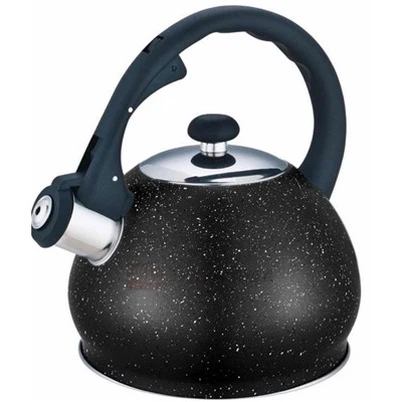
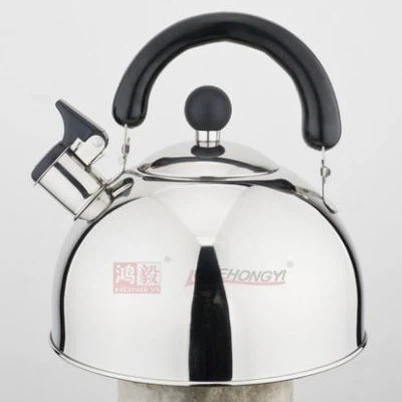
At our company, we offer a wide range of high - quality stainless steel tea kettles. Whether you're looking for a Stainless Steel Tea Kettle Induction that works perfectly on induction stoves, an Antique Stainless Steel Tea Kettle with a classic design, or an Orange Stainless Steel Tea Kettle to add a pop of color to your kitchen, we have the perfect option for you.
Our tea kettles are made from premium stainless steel, which is durable, resistant to corrosion, and easy to clean. With proper care and maintenance, our tea kettles will serve you for many years to come.
Contact Us for Purchase and Negotiation
If you're interested in purchasing our stainless steel tea kettles, we'd love to hear from you. Whether you're a retailer looking to stock our products or an individual in search of a high - quality tea kettle, we're here to assist you. Contact us to start the negotiation process and find the best deal for your needs.
References
- "The Complete Guide to Cleaning and Maintaining Kitchenware", Home Living Magazine, 2020.
- "Natural Cleaning Solutions for Home Appliances", Green Living Journal, 2019.