
How to clean the inside of a stainless steel tea pot thoroughly?
Leave a message

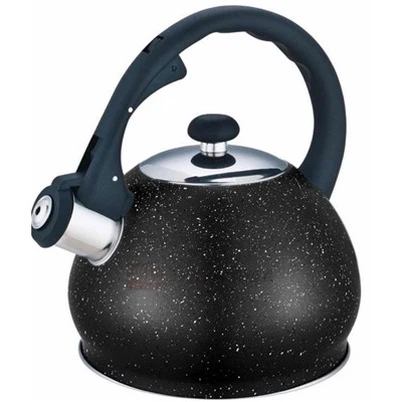
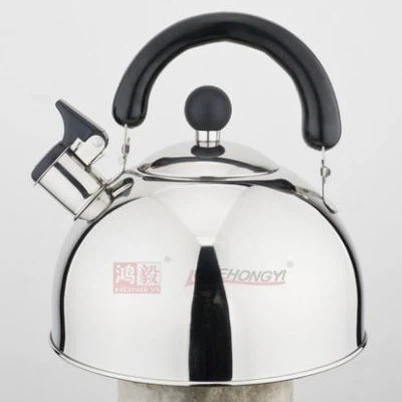
As a trusted stainless steel tea pots supplier, I understand the importance of maintaining the cleanliness and functionality of these elegant vessels. A well - cleaned stainless steel tea pot not only ensures a better tea - brewing experience but also extends the lifespan of the product. In this blog, I'll share some effective methods to thoroughly clean the inside of a stainless steel tea pot.


Understanding the Challenges of Cleaning Stainless Steel Tea Pots
Stainless steel tea pots are popular for their durability and resistance to rust. However, over time, they can accumulate various types of stains and deposits. Tea leaves, hard water minerals, and oils from the tea can build up on the inner surface of the pot. These deposits not only affect the taste of the tea but can also be difficult to remove if not addressed regularly.
Regular Cleaning Routine
The first step in keeping your stainless steel tea pot clean is to establish a regular cleaning routine. After each use, it's advisable to rinse the tea pot with warm water as soon as possible. This helps to prevent tea residues from drying and hardening on the surface. Use a soft sponge or cloth to gently wipe the inside of the pot. Avoid using abrasive materials like steel wool, as they can scratch the stainless steel surface, making it more prone to stains and corrosion in the future.
If you've brewed strongly - flavored teas such as black tea or herbal blends, you may notice a more stubborn odor lingering in the pot. To combat this, fill the pot with warm water and add a small amount of mild dish soap. Let it soak for a few minutes, then use the soft sponge to scrub the interior. Rinse thoroughly with clean water to remove all traces of soap.
Dealing with Mineral Deposits
Hard water contains minerals like calcium and magnesium, which can leave white, chalky deposits on the inside of your tea pot over time. These deposits are not only unsightly but can also affect the flavor of your tea. To remove mineral deposits, you can use a natural and effective solution: vinegar.
Fill the tea pot with a mixture of half white vinegar and half water. The acetic acid in vinegar helps to dissolve the mineral deposits. Let the solution sit in the pot for at least 30 minutes; for more stubborn deposits, you can let it soak overnight. After soaking, pour out the vinegar - water solution and rinse the pot with warm water. If any deposits remain, you can use a soft brush, like a toothbrush, to gently scrub the affected areas. Remember to rinse the pot thoroughly to remove any vinegar smell.
Lemon juice is another natural alternative for removing mineral deposits. The citric acid in lemon juice has similar cleaning properties to vinegar. Squeeze fresh lemon juice into the tea pot and add some water. Let it soak for a while, then scrub and rinse as usual.
Removing Tea Stains
Stains from tea can give your stainless steel tea pot an unappealing appearance. For light tea stains, you can create a paste using baking soda and water. Baking soda is a mild abrasive that can help lift the stains without scratching the surface.
Apply the baking soda paste to the stained areas inside the tea pot. Use a soft cloth or sponge to gently rub the paste in circular motions. Let it sit for a few minutes, then rinse the pot thoroughly with water. This method can often effectively remove light to medium - colored tea stains.
For more stubborn tea stains, you can try using denture cleaning tablets. Drop a couple of tablets into the tea pot filled with warm water. The effervescent action of the tablets will help to loosen and dissolve the stains. Let the pot soak for about 30 minutes to an hour, then rinse it well.
Cleaning the Spout and Handle
The spout and handle of the tea pot are often overlooked but can also accumulate dirt and residues. For the spout, you can use a pipe cleaner or a small, soft - bristled brush. Dip it in warm, soapy water and gently clean the inside of the spout to remove any tea leaves or deposits.
The handle can be cleaned with a soft cloth and mild dish soap. Wipe it down to remove any fingerprints, oils, or tea splashes. Make sure to dry it thoroughly to prevent water spots from forming.
Drying the Tea Pot
After cleaning, it's crucial to dry the tea pot properly. Leaving water inside the pot can lead to water spots and even promote the growth of mold or mildew. Use a clean, dry cloth to wipe the inside and outside of the pot. You can also let the pot air - dry with the lid off for a short period to ensure all moisture is removed.
Recommended Products for Your Stainless Steel Tea Pots
At our supply, we offer a wide range of stainless steel tea pots to meet different needs. Whether you're looking for a classic design for your European - style tea sessions or a more fun and funky option, we have you covered. Check out our Europe Tea Pots for elegant and traditional choices. If you need a larger capacity, our 3.5L Funky Tea Pots are a great option. And for those who prefer something smaller and more portable, our Mini Tea Pots are perfect.
Conclusion
Cleaning the inside of a stainless steel tea pot thoroughly is not a difficult task if you follow the right steps and use the appropriate cleaning methods. By establishing a regular cleaning routine and addressing stains and deposits promptly, you can keep your tea pot in excellent condition and enjoy a better tea - brewing experience every time.
If you're in the market for high - quality stainless steel tea pots or have any questions about cleaning and maintenance, don't hesitate to contact us. We're here to help you make the best choice for your tea - drinking needs.
References
- "The Complete Guide to Tea Pot Care", Tea Enthusiast Magazine, 2022.
- "Stainless Steel Maintenance Tips", Homeware Journal, 2023.