
Do stainless steel tea pots affect the taste of tea?
Leave a message

As a supplier of stainless steel tea pots, I've often been asked whether these vessels can have an impact on the taste of tea. It's a question that delves into the intersection of material science, tea brewing traditions, and personal preference. In this blog post, I'll explore this topic in depth, drawing on scientific research and my own experiences in the industry.
The Basics of Tea Flavor
Before we discuss how stainless steel tea pots might affect tea taste, it's important to understand what contributes to the flavor of tea in the first place. Tea is a complex beverage, with its flavor profile influenced by a variety of factors. The type of tea leaves - whether it's black, green, white, oolong, or herbal - plays a significant role. Each type has its own unique chemical composition, which determines its characteristic taste, aroma, and color.
The origin of the tea leaves also matters. Different regions have distinct soil types, climates, and growing conditions, all of which can impart specific flavors to the tea. For example, Darjeeling tea from India is known for its delicate, muscatel flavor, while Assam tea is full - bodied and malty.
The brewing process is another crucial factor. Variables such as water temperature, brewing time, and the ratio of tea leaves to water can greatly affect the taste of the final cup. Steeping tea at too high a temperature for too long can result in a bitter, astringent flavor, while under - brewing may lead to a weak, flavorless cup.
Properties of Stainless Steel
Stainless steel is an alloy primarily composed of iron, chromium, and often nickel. It is highly resistant to corrosion, rust, and staining, making it a popular choice for kitchenware, including tea pots. One of the key advantages of stainless steel is its non - reactivity. Unlike some metals, such as aluminum or copper, stainless steel does not react with acidic or alkaline substances in tea. This means that it won't leach any unwanted metals or chemicals into the tea, which could potentially alter its taste.
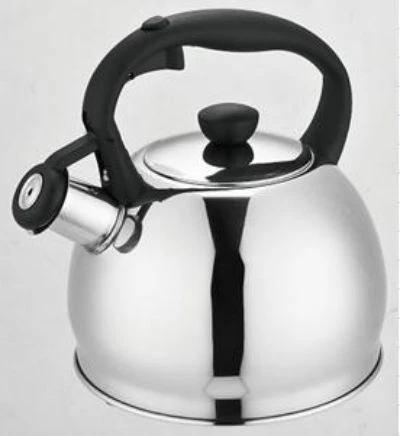

Stainless steel also has excellent heat retention properties. It can heat up quickly and evenly, and once heated, it retains heat for a relatively long time. This is beneficial for tea brewing, as it helps to maintain a consistent water temperature throughout the brewing process, which is essential for extracting the full flavor of the tea leaves.
Impact on Tea Taste
Chemical Non - Reactivity
As mentioned earlier, the non - reactivity of stainless steel is a major factor in its suitability for tea brewing. Since it doesn't react with the tea, it won't introduce any off - flavors or contaminants. This is in contrast to some other materials, like plastic or certain types of enamel - coated pots, which may release unpleasant odors or chemicals when exposed to hot water. For example, a cheap plastic tea pot may emit a plastic - like smell, which can be transferred to the tea and ruin its flavor.
Heat Retention and Flavor Extraction
The heat retention properties of stainless steel tea pots can have a positive impact on tea taste. When brewing tea, maintaining the right water temperature is crucial. Different types of tea require different water temperatures for optimal flavor extraction. For instance, green tea is best brewed at around 175 - 185°F (79 - 85°C), while black tea is typically brewed at 200 - 212°F (93 - 100°C). A stainless steel tea pot can hold the heat well, ensuring that the water stays within the desired temperature range for the duration of the brewing process. This allows for a more complete extraction of the tea's flavor compounds, resulting in a richer, more flavorful cup of tea.
Taste Perception
Some people claim that stainless steel tea pots can give tea a slightly different taste compared to other materials, such as ceramic or glass. However, this difference is often more a matter of perception than an actual change in the tea's chemical composition. The smooth, metallic surface of a stainless steel pot may affect the way the tea feels in the mouth, which can influence our overall perception of its taste. For example, some may find that tea brewed in a stainless steel pot has a cleaner, crisper mouthfeel compared to tea brewed in a ceramic pot, which may give a warmer, more rounded sensation.
Our Range of Stainless Steel Tea Pots
At our company, we offer a diverse range of stainless steel tea pots to suit different needs and preferences.
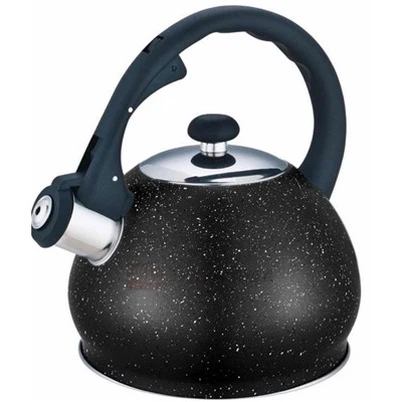
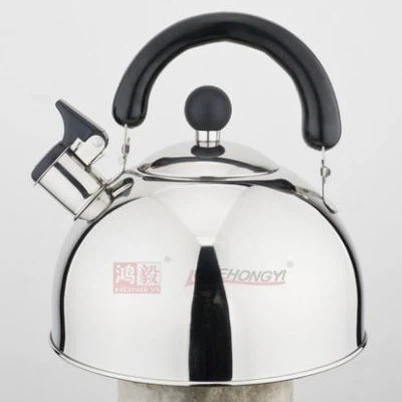
If you're looking for a tea pot that adds a bit of charm and functionality, our Whistling Tea Pots are a great choice. The whistle alerts you when the water has boiled, so you don't have to keep a constant eye on the stove. They are available in various sizes and designs, and their stainless steel construction ensures durability and long - lasting performance.
For those who prefer a more compact option, our Mini Tea Pots are perfect. They are ideal for single - serving or for brewing a small amount of tea for a quick pick - me - up. Despite their small size, they still offer excellent heat retention and are easy to handle.
If you're hosting a large gathering or simply love to have a big pot of tea on hand, our 3.5L Funky Tea Pots are the way to go. These large - capacity tea pots are not only functional but also feature unique and eye - catching designs that will add a touch of style to your kitchen.
Conclusion
In conclusion, stainless steel tea pots generally do not have a negative impact on the taste of tea. Their non - reactivity ensures that they won't introduce any unwanted flavors or contaminants, and their heat retention properties can actually enhance the brewing process and the flavor of the tea. While some people may perceive a slight difference in taste compared to other materials, this is often a matter of personal preference and mouthfeel.
If you're in the market for a high - quality, durable tea pot that won't compromise the taste of your tea, our stainless steel tea pots are an excellent choice. We are committed to providing our customers with the best products and service. Whether you're a tea enthusiast or a business looking to stock up on tea pots, we'd love to hear from you. Contact us to discuss your procurement needs and let's start a conversation about how our stainless steel tea pots can meet your requirements.
References
- “The Chemistry of Tea.” Journal of Food Science, vol. 75, no. 2, 2010, pp. R1 - R10.
- “Stainless Steel in the Kitchen: Properties and Applications.” Journal of Materials Science, vol. 45, no. 12, 2010, pp. 3200 - 3208.
- “Brewing the Perfect Cup of Tea: A Review of Factors Affecting Tea Flavor.” International Journal of Food Science and Technology, vol. 47, no. 6, 2012, pp. 1223 - 1231.