
How to clean a stubborn stain in a stainless steel kettle?
Leave a message

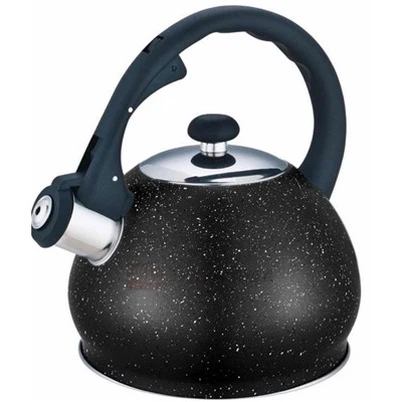
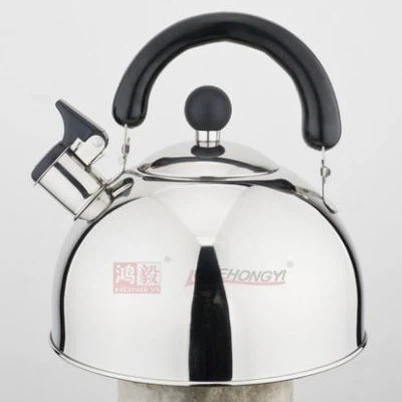
Stainless steel kettles are a staple in many households, valued for their durability, sleek appearance, and efficient boiling capabilities. However, over time, these kettles can develop stubborn stains, which not only mar their aesthetic appeal but can also affect the taste of the water. As a leading supplier of high - quality stainless steel kettles, including the 2l Stainless Steel Kettle, Stainless Steel and Black Kettle, and Stainless Steel Japan Kettle, I understand the importance of keeping your kettle in pristine condition. In this blog post, I'll share some effective methods to clean those stubborn stains and restore your kettle to its former glory.
Understanding the Types of Stains
Before diving into the cleaning methods, it's crucial to understand the different types of stains that can appear in a stainless steel kettle.
- Limescale Stains: These are the most common type of stains in kettles. They are caused by the minerals present in hard water, such as calcium and magnesium. When water is boiled, these minerals are left behind as a white or off - white residue on the inside of the kettle.
- Tea or Coffee Stains: If you regularly use your kettle to boil water for tea or coffee, tannins from these beverages can leave brown or yellow stains on the kettle's interior.
- Burn Marks: Overheating the kettle or allowing it to boil dry can result in burn marks, which are usually black or dark brown and can be quite stubborn to remove.
Cleaning Limescale Stains
Limescale stains are relatively easy to remove with common household items. Here are a few effective methods:
Method 1: Vinegar Solution
Vinegar is a natural acid that can dissolve limescale effectively.
- Prepare the Solution: Fill the kettle about half - way with equal parts of white vinegar and water.
- Boil the Solution: Bring the vinegar - water mixture to a boil. Let it simmer for about 15 - 20 minutes. The acid in the vinegar will react with the limescale, breaking it down.
- Let it Soak: After boiling, turn off the kettle and let the solution soak for an additional 30 minutes to an hour.
- Rinse Thoroughly: Once the solution has cooled down, empty the kettle and rinse it several times with clean water to remove any remaining vinegar smell and loosened limescale.
Method 2: Lemon Juice
Lemon juice is another natural acid that can be used to remove limescale.
- Prepare the Lemon: Cut a few lemons in half and squeeze the juice into the kettle. You can also drop the lemon halves into the kettle.
- Add Water: Fill the kettle with water until it covers the limescale stains.
- Boil and Soak: Boil the lemon - water mixture and let it soak for about 30 minutes. The citric acid in the lemon will dissolve the limescale.
- Rinse: Rinse the kettle thoroughly with clean water to get rid of the lemon smell and limescale residue.
Removing Tea or Coffee Stains
Tea and coffee stains can be a bit more challenging to remove than limescale, but with the right approach, they can be eliminated.
Method 1: Baking Soda Paste
Baking soda is a mild abrasive that can help lift tea and coffee stains.


- Make the Paste: Mix a small amount of baking soda with water to form a thick paste.
- Apply the Paste: Use a soft sponge or cloth to apply the baking soda paste to the stained areas inside the kettle.
- Scrub Gently: Gently scrub the stains in a circular motion. Let the paste sit on the stains for about 15 - 20 minutes.
- Rinse: Rinse the kettle thoroughly with clean water to remove the baking soda and the loosened stains.
Method 2: Denture Tablets
Denture tablets are designed to remove stains and bacteria, and they can also be effective for cleaning tea and coffee stains in kettles.
- Dissolve the Tablets: Drop a few denture tablets into the kettle filled with warm water.
- Let it Soak: Let the tablets dissolve and the solution soak for a few hours or overnight. The effervescent action of the tablets will help lift the stains.
- Rinse: Empty the kettle and rinse it well with clean water.
Getting Rid of Burn Marks
Burn marks are the most stubborn type of stains to remove. However, with patience and the right techniques, you can get your kettle looking clean again.
Method 1: Baking Soda and Water
- Make a Thick Paste: Mix baking soda with a small amount of water to create a thick, spreadable paste.
- Apply the Paste: Use a damp cloth or sponge to apply the paste to the burn marks. Rub the paste gently over the marks in a circular motion.
- Let it Sit: Leave the paste on the burn marks for at least 30 minutes. For more stubborn marks, you can let it sit overnight.
- Scrub and Rinse: Use a soft - bristled brush to scrub the burn marks. Then, rinse the kettle thoroughly with clean water.
Method 2: Commercial Oven Cleaner (with Caution)
If the burn marks are extremely stubborn, you can use a commercial oven cleaner. However, this should be used with caution as these cleaners can be harsh.
- Read the Instructions: Carefully read the instructions on the oven cleaner. Make sure it is safe to use on stainless steel.
- Apply the Cleaner: Apply a small amount of the cleaner to the burn marks. Let it sit for the recommended time.
- Rinse Thoroughly: After the recommended time has passed, rinse the kettle several times with clean water to remove all traces of the cleaner.
Preventive Measures
To keep your kettle stain - free for longer, here are some preventive measures you can take:
- Use Filtered Water: Using filtered water can significantly reduce the amount of limescale that builds up in your kettle.
- Empty the Kettle After Use: Don't leave water sitting in the kettle after use. This can prevent the formation of stains.
- Regular Cleaning: Make it a habit to clean your kettle regularly, even if there are no visible stains. A simple rinse with vinegar or lemon juice every few weeks can help prevent the build - up of limescale and other stains.
Maintaining the Shine of Your Stainless Steel Kettle
In addition to removing stains, it's also important to maintain the exterior shine of your stainless steel kettle.
- Use a Soft Cloth: When cleaning the outside of the kettle, use a soft, damp cloth. Avoid using abrasive materials that can scratch the stainless steel.
- Stainless Steel Cleaner: You can use a commercial stainless steel cleaner to restore the shine. Apply the cleaner according to the instructions on the product and buff the kettle with a soft cloth.
Conclusion
Cleaning stubborn stains in a stainless steel kettle doesn't have to be a daunting task. With the right methods and a little bit of elbow grease, you can keep your kettle looking and performing its best. As a supplier of high - quality stainless steel kettles, I encourage you to take good care of your kettle to ensure its longevity and to enjoy pure - tasting water every time.
If you're in the market for a new stainless steel kettle or looking to restock your inventory, we offer a wide range of products, including the 2l Stainless Steel Kettle, Stainless Steel and Black Kettle, and Stainless Steel Japan Kettle. Feel free to reach out to us for more information or to start a procurement discussion.
References
- "Cleaning and Maintenance of Stainless Steel Products." Home Appliance Handbook.
- "The Chemistry of Hard Water and Limescale." Journal of Water Science.
- "Natural Cleaning Solutions for Household Items." Green Living Magazine.