
How to clean a stainless steel kettle?
Leave a message

Having a clean stainless steel kettle not only looks great but also ensures that your drinks taste their best. As a long - time stainless steel kettle supplier, I've seen it all when it comes to kettle maintenance and cleanliness. In this post, I'll share some practical tips on how to clean a stainless steel kettle.
Why Cleaning Your Stainless Steel Kettle is Important
Before diving into the cleaning process, let's talk about why it's so important to keep your kettle clean. Over time, minerals from the water, like calcium and magnesium, build up inside the kettle. This buildup is called limescale, and it can affect the taste of your beverages. No one wants a cup of tea or coffee with a hint of that scaley residue!
Also, a dirty kettle has to work harder to boil water. The limescale acts as an insulator, so the heating element has to use more energy to get the water up to temperature. That means higher energy bills for you, and it can also shorten the lifespan of your kettle.
Regular Maintenance Cleaning
The easiest way to keep your kettle in tip - top shape is to do regular maintenance cleaning. By doing this, you can prevent limescale from building up in the first place.
- Rinse After Each Use: After you've boiled water and emptied the kettle, give it a quick rinse under warm water. This gets rid of any loose debris or water that might have some minerals in it. Simply hold the kettle under the tap and turn the water on. Let it run in and out for a few seconds, then shake out any excess water.
- Wipe the Exterior: A damp cloth can do wonders for the outside of your kettle. Every once in a while, just wipe down the exterior to remove any fingerprints, dust, or spills. You can even use a little mild dish soap on the cloth if there are some stubborn marks. Just make sure to rinse it off well and dry it with a clean towel so it doesn't leave any streaks.
Removing Limescale from the Inside
Even with regular maintenance, you'll probably still end up with some limescale in the kettle eventually. Here are some easy ways to get rid of it:
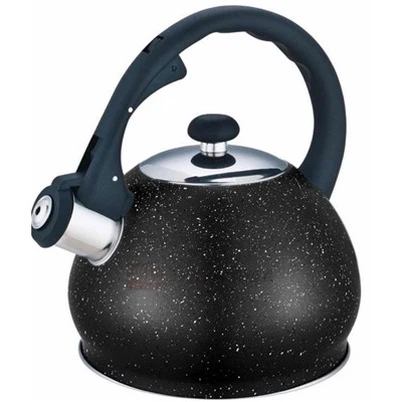
- Vinegar Method: Vinegar is a natural and effective way to dissolve limescale. Start by filling the kettle about halfway with equal parts white vinegar and water. Then, turn on the kettle and let it boil. Once the water has boiled, turn off the kettle and let it sit for about 30 minutes. The acid in the vinegar will work its magic on the limescale. After 30 minutes, empty the kettle and give it a good rinse several times to get rid of any vinegar smell. You might need to use a soft sponge to scrub any remaining bits of limescale. Check out our Stainless Steel and Black Kettle, which can be easily cleaned using this vinegar method.
- Lemon Juice Method: If you don't like the smell of vinegar, lemon juice is a great alternative. Fill the kettle with water and squeeze in the juice of a few lemons. Bring the mixture to a boil and then let it sit for 20 - 30 minutes. The citric acid in the lemon juice will break down the limescale just like the vinegar does. After that, empty the kettle, rinse it thoroughly, and you're good to go.
Cleaning the Exterior of the Kettle
The outside of your kettle can get dirty too, especially if it's in a busy kitchen. Here's how you can keep it clean:
- For Minor Stains: A mixture of baking soda and water can be used to clean minor stains on the exterior. Make a paste by mixing a little baking soda with some water until it forms a thick consistency. Then, use a soft cloth or sponge to apply the paste to the stained areas. Gently rub the paste in circular motions. Rinse the area with water and dry it with a clean cloth.
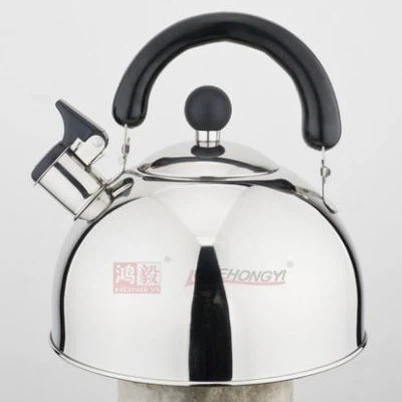
- For Tough Stains: If you have some really tough stains, you can use a stainless - steel cleaner. There are many commercial cleaners available in the market. Just follow the instructions on the label. Usually, you spray the cleaner on the stained area, let it sit for a few minutes, and then wipe it off with a clean cloth. Our Nice Stainless Steel Kettle has a beautiful exterior finish that can be maintained using these cleaning methods.
Cleaning the Spout and Lid
The spout and lid of the kettle can collect dirt and limescale too.
- Spout Cleaning: To clean the spout, you can use a small brush, like an old toothbrush. Dip the brush in a mixture of vinegar and water. Then, gently scrub the inside of the spout to remove any limescale or debris. After that, rinse the spout thoroughly with water.
- Lid Cleaning: Remove the lid from the kettle. Wash it with warm, soapy water and use a sponge to clean all the nooks and crannies. If there's any limescale on the lid, you can soak it in a vinegar - water solution for a while. Rinse it well and dry it before putting it back on the kettle.
Drying Your Kettle
After you've cleaned your kettle, it's really important to dry it properly. Leaving any moisture in the kettle can lead to rust and other problems. Use a clean, dry towel to wipe the inside and outside of the kettle. Make sure to get into all the corners and crevices. You can also leave the kettle open and upside - down on the counter for a few hours to let any remaining moisture evaporate.


Preventing Future Build - Up
- Use Filtered Water: One of the best ways to prevent limescale build - up is to use filtered water in your kettle. A water filter can remove many of the minerals that cause limescale. You can use a pitcher - style filter or a filter attached to your tap.
- Regular Maintenance: Don't forget to keep up with the regular maintenance cleaning we talked about earlier. Simple things like rinsing after each use and wiping the exterior can go a long way in keeping your kettle clean.
As a stainless steel kettle supplier, I know how important it is to have a clean and well - maintained kettle. A clean kettle not only performs better but also lasts longer. We offer a wide range of high - quality stainless steel kettles, such as our Best Stainless Tea Kettle. If you're interested in purchasing our products or have any questions about cleaning or maintenance, feel free to reach out to us for a purchase and negotiation.
References
- "The Science of Cleaning: How Vinegar and Citric Acid Dissolve Limescale", Chemistry Today Magazine.
- "Maintaining Your Kitchen Appliances", Home Maintenance Monthly.