
How to care for Europe tea pots made of porcelain?
Leave a message

Porcelain tea pots are not only practical vessels for brewing and serving tea but also exquisite pieces of art that can add a touch of elegance to any tea - drinking experience. As a supplier of Europe tea pots, I understand the allure and value of these porcelain treasures. In this blog, I will share some essential tips on how to care for Europe tea pots made of porcelain to ensure their longevity and continued beauty.
1. Handling with Care
Porcelain is a delicate material, so it's crucial to handle your tea pot gently. When picking up the tea pot, hold it by the handle and the base. Avoid gripping it too tightly, as excessive pressure can cause cracks or chips. When moving the tea pot, make sure your hands are dry to prevent it from slipping out of your grasp.
When placing the tea pot on a surface, choose a stable and flat area. Avoid placing it near the edge of a table or any other surface where it could easily be knocked over. If you're using the tea pot on a stove, always use a heat - resistant trivet to protect the porcelain from direct contact with the hot surface.
2. Cleaning Your Porcelain Tea Pot
Regular Cleaning
After each use, it's important to clean your porcelain tea pot promptly. Start by emptying any remaining tea leaves or liquid from the pot. Rinse the tea pot thoroughly with warm water to remove any loose debris. You can use a soft sponge or a non - abrasive cloth to gently wipe the interior and exterior of the pot.
Avoid using harsh chemicals or abrasive cleaners, as they can damage the porcelain's surface. Instead, opt for a mild dish soap. Dilute a small amount of dish soap in warm water and use this solution to clean the tea pot. Gently scrub the inside and outside of the pot, paying special attention to any stubborn stains. Rinse the pot thoroughly with clean water to remove all traces of soap.
Removing Stains
Over time, tea stains may build up inside the tea pot. To remove these stains, you can make a natural cleaning solution. One effective method is to use a mixture of baking soda and water. Make a paste by combining baking soda with a small amount of water until it forms a thick consistency. Apply the paste to the stained areas inside the tea pot and let it sit for about 15 - 20 minutes. Then, use a soft brush or sponge to gently scrub the stains away. Rinse the pot thoroughly with water.
Another natural stain - remover is lemon juice. Squeeze fresh lemon juice into the tea pot and fill it with warm water. Let it soak for a few hours or overnight. The acid in the lemon juice will help break down the tea stains. After soaking, rinse the pot well.
3. Drying Your Tea Pot
Proper drying is essential to prevent mold and mildew growth. After cleaning, gently shake the tea pot to remove any excess water. Then, place it upside down on a clean, dry towel to allow the water to drain out completely. You can also use a soft, dry cloth to pat the interior and exterior of the pot dry.
Avoid leaving the tea pot in a damp or humid environment, as this can promote the growth of mold and mildew. Make sure the tea pot is completely dry before storing it.
4. Storage
When not in use, it's important to store your porcelain tea pot properly. Choose a cool, dry place away from direct sunlight and heat sources. Sunlight and heat can cause the porcelain to fade or crack over time.
You can store the tea pot in a cabinet or a display case. If you're storing it in a cabinet, place it on a stable shelf and make sure it's not crowded with other items. To prevent scratches, you can wrap the tea pot in a soft cloth or bubble wrap.
If you have a lid for the tea pot, store it separately to avoid any potential damage to the spout or the lid itself.
5. Using Your Porcelain Tea Pot
Brewing Tea
When brewing tea in your porcelain tea pot, use the appropriate amount of tea leaves and water. Follow the recommended brewing instructions for the type of tea you're using. Over - steeping the tea can cause a bitter taste and may also leave more stains in the pot.


Avoid using boiling water directly on the porcelain tea pot if it's not designed to withstand high temperatures. Some porcelain tea pots are better suited for brewing with water that has cooled slightly from boiling.
Serving Tea
When serving tea from the porcelain tea pot, pour slowly and steadily to prevent spills. Make sure the spout is clean and free of any blockages to ensure a smooth pour.
6. Inspecting Your Tea Pot Regularly
Regularly inspect your porcelain tea pot for any signs of damage, such as cracks, chips, or loose parts. If you notice any cracks or chips, stop using the tea pot immediately. A cracked tea pot can be a safety hazard, as it may leak hot liquid.
If the handle or the spout of the tea pot is loose, you can try to tighten it carefully. However, if the damage is severe, it's best to consult a professional for repair or consider replacing the tea pot.
Additional Tips for Different Types of Porcelain Tea Pots
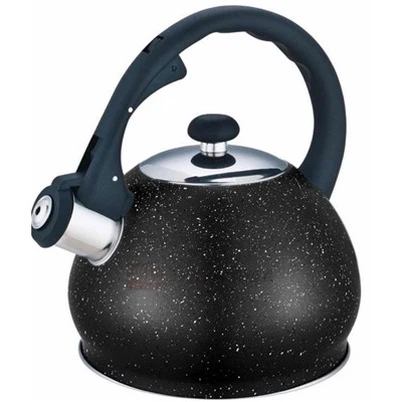
Black Tea Pots
Black tea pots often have a unique finish. When cleaning them, be extra careful not to scratch the black surface. Use a soft, non - abrasive cloth and a mild cleaning solution. Avoid using abrasive sponges or scrubbers that could remove the black coating.
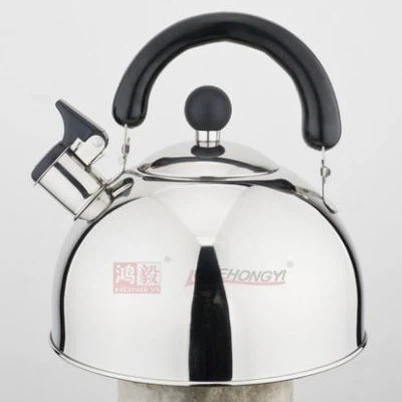
Stainless Steel Eight - square Tea Pots
Although these tea pots have a stainless - steel component, the porcelain parts still require special care. When cleaning, focus on the porcelain areas using the methods described above. The stainless - steel parts can be cleaned with a mild stainless - steel cleaner.
Best Tea Pots for Gas Stove
If you're using a porcelain tea pot on a gas stove, make sure it's designed for this purpose. Follow the manufacturer's instructions carefully. Before using it on the stove, pre - heat the pot gradually to avoid thermal shock.
In conclusion, caring for your Europe porcelain tea pot is a rewarding process that can extend its lifespan and maintain its beauty. By following these tips, you can enjoy your tea pot for many years to come.
If you're interested in purchasing high - quality Europe tea pots made of porcelain or have any questions about our products, please feel free to contact us for procurement discussions. We're committed to providing you with the best tea pot solutions for your tea - drinking needs.
References
- "The Art of Tea Brewing" by Tea Enthusiast Magazine
- "Porcelain: History and Care" by Fine Arts Publishing
- "Tea Pot Maintenance Guide" by Home Goods Experts