
How to avoid limescale buildup in a metal kettle?
Leave a message

Hey there! As a supplier of metal kettles, I've seen my fair share of limescale buildup in these trusty kitchen companions. Limescale, that chalky white stuff, can not only make your kettle look yucky but also affect its performance over time. So, in this blog, I'm gonna share some tips on how to avoid limescale buildup in a metal kettle.
Understanding Limescale
First things first, let's talk about what limescale is. Limescale is mainly made up of calcium carbonate, which comes from the minerals in your water. When you heat water in a kettle, the water evaporates, leaving behind these minerals. Over time, they accumulate and form that hard, crusty limescale.
The problem with limescale isn't just cosmetic. It can reduce the efficiency of your kettle because it acts as an insulator, making it take longer to boil water. And in the long run, it can even damage your kettle. So, it's important to take steps to prevent it.
Choose the Right Water
One of the simplest ways to avoid limescale buildup is to use the right kind of water. Tap water can vary a lot in terms of its mineral content. If you live in an area with hard water (water that has a high concentration of minerals), you're more likely to get limescale in your kettle.
- Filtered Water: Using a water filter can help reduce the mineral content in your water. You can get a simple pitcher filter or install a more advanced under - sink filter. By using filtered water in your kettle, you'll cut down on the amount of minerals that end up as limescale.
- Distilled Water: Distilled water has had all its minerals removed through a distillation process. It's the purest form of water you can use in your kettle. However, it can be a bit more expensive and not as convenient as using tap water. But if you really want to avoid limescale, it's a great option.
Keep Your Kettle Clean
Regular cleaning is key to preventing limescale buildup. Even if you use filtered or distilled water, some minerals might still find their way into your kettle.


- Vinegar Solution: One of the most effective and natural ways to clean a kettle is by using a vinegar solution. Fill your kettle about halfway with equal parts of water and white vinegar. Let it sit for about an hour. The acid in the vinegar will dissolve the limescale. After an hour, boil the solution and then let it cool. Empty the kettle and rinse it thoroughly with clean water. You can do this once a month or more often if you have very hard water.
- Lemon Juice: Lemon juice is another natural alternative to vinegar. It has citric acid, which can also break down limescale. Fill your kettle with water and add the juice of a few lemons. Boil the mixture and let it sit for a while before rinsing.
Proper Usage
How you use your kettle can also affect limescale buildup.
- Don't Overfill: Filling your kettle to the brim every time you boil water can increase the chances of limescale forming. When you overfill, more water evaporates, leaving behind more minerals. Try to fill it only with the amount of water you need.
- Empty the Kettle After Use: Leaving water in the kettle after it has boiled can cause limescale to form more quickly. The remaining water will continue to evaporate, and the minerals will be left behind. So, empty the kettle as soon as you're done using it.
Choose the Right Kettle
As a metal kettle supplier, I know that not all kettles are created equal when it comes to limescale resistance.
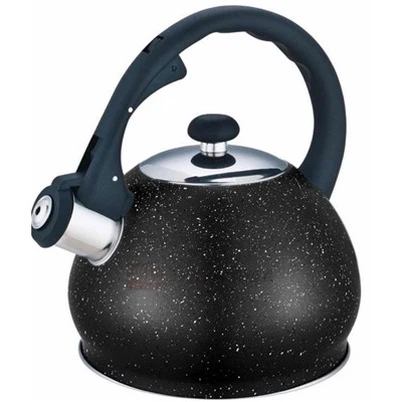
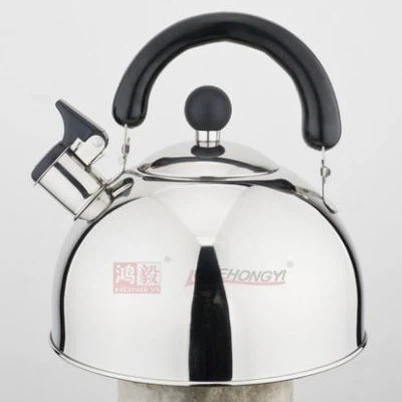
- Coated Kettles: Some metal kettles come with a special coating on the inside. This coating can prevent limescale from sticking to the surface of the kettle. When you clean the kettle, the limescale is easier to remove. Check out our Tea Kettle Metal and Tea Kettle Metal options, which might have these useful coatings.
- Metal Lined Kettles: Metal Lined Kettle models are also designed to be more resistant to limescale. The lining can protect the metal from direct contact with the minerals in the water, reducing the chances of limescale buildup.
Other Tips
- Use a Kettle Descaler: There are commercial kettle descalers available in the market. These products are specifically designed to remove limescale. Follow the instructions on the package carefully when using them.
- Regular Inspections: Take a look inside your kettle regularly. If you start to see a small amount of limescale forming, clean it right away. This will prevent it from building up into a big problem.
In conclusion, avoiding limescale buildup in a metal kettle is all about a combination of using the right water, keeping your kettle clean, using it properly, and choosing the right kettle in the first place. By following these tips, you can keep your kettle in great shape for a long time.
If you're in the market for a new metal kettle or want to learn more about our products, don't hesitate to reach out for a procurement discussion. We're here to help you find the perfect kettle for your needs.
References
- "The Chemistry of Limescale." Journal of Home Science.
- "Best Practices for Kettle Maintenance." Kitchenware Magazine.