
How to adjust the heat when using a stainless steel tea kettle?
Leave a message

Hey there, tea lovers! As a supplier of top - notch stainless steel tea kettles, I've seen firsthand how crucial it is to get the heat right when using these beauties. In this blog, I'm gonna share some tips on how to adjust the heat when using a stainless steel tea kettle, so you can brew the perfect cup of tea every time.
First things first, let's talk about why heat adjustment matters. Different types of tea require different water temperatures to bring out their best flavors. For example, green tea is best brewed with water that's around 160 - 180°F (71 - 82°C). If the water is too hot, it can make the tea taste bitter. On the other hand, black tea usually needs boiling water, around 212°F (100°C), to fully extract its rich flavors.
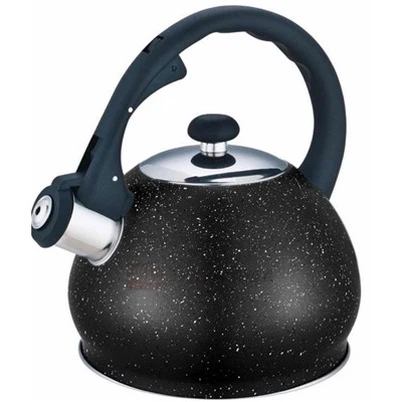
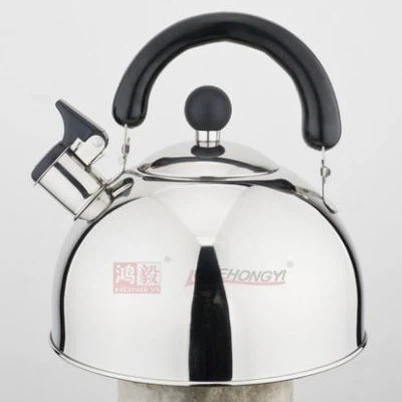
Now, when you're using a Heavy Duty Stainless Steel Tea Kettle, you need to consider the heat source. There are mainly two types of heat sources: stovetop and induction.
Stovetop Heat
If you're using a stovetop, whether it's gas or electric, the key is to start with a medium - high heat. This helps the water in the kettle to start heating up quickly. Once you see small bubbles forming at the bottom of the kettle, it's a sign that the water is starting to get hot. At this point, you should reduce the heat to medium.
Why do we do this? Well, stainless steel is a great conductor of heat. If you keep the heat on high for too long, the water can boil over really fast, and you might end up with a mess on your stovetop. Also, over - boiling can make the water lose some of its oxygen, which can affect the taste of your tea.


Let's say you're making a cup of oolong tea. Oolong tea needs water at around 180 - 200°F (82 - 93°C). After reducing the heat to medium, you can use a thermometer to check the water temperature. If you don't have a thermometer, you can watch for the bubbles. When the bubbles are larger and start rising more steadily, but the water isn't fully boiling yet, that's usually around the right temperature for oolong tea.
Induction Heat
For those of you using an Stainless Steel Tea Kettle Induction, the process is a bit different. Induction cooktops heat up the kettle directly, which means they can heat the water much faster than stovetops.
When you first start, you can set the induction cooktop to a high power level. But keep a close eye on the kettle. Once you notice the water starting to move a bit, reduce the power level to medium. Induction cooktops are very precise, so you can easily adjust the heat to get the exact temperature you need.
For example, if you're brewing white tea, which requires water at about 150 - 160°F (66 - 71°C), you can use the temperature control feature on your induction cooktop. Set the temperature to the desired level, and the cooktop will maintain it until you're ready to pour the water over your tea leaves.
Some Other Tips
- Kettle Size: The size of your stainless steel tea kettle also matters. A larger kettle will take longer to heat up, so you might need to start with a higher heat and adjust it more gradually. A smaller kettle, on the other hand, will heat up faster, so you need to be more careful not to over - heat the water.
- Pre - heating the Kettle: Before you add water to your kettle, it's a good idea to pre - heat it. This can help the water heat up more evenly. Just place the empty kettle on the heat source for a few seconds before adding water.
- Color of the Kettle: Believe it or not, the color of your kettle can affect how it heats up. A Orange Stainless Steel Tea Kettle might absorb and retain heat differently than a silver one. Darker colors tend to absorb more heat, so you might need to adjust the heat a bit lower if you have a colored kettle.
Troubleshooting
- Water Takes Too Long to Heat: If your water is taking forever to heat up, check if your heat source is working properly. Make sure the kettle is sitting flat on the stovetop or induction cooktop. Also, if the kettle is very large and you're using a small burner, it might take longer. You can try using a larger burner or a smaller kettle.
- Water Boils Over: This usually happens when you're using too high a heat. Next time, reduce the heat as soon as you see the water starting to get hot. You can also leave a bit more space in the kettle when you fill it with water.
In conclusion, adjusting the heat when using a stainless steel tea kettle is all about finding the right balance. It takes a bit of practice, but once you get the hang of it, you'll be able to brew amazing cups of tea every time.
If you're in the market for a high - quality stainless steel tea kettle, we've got a great range of products to choose from. Whether you need a heavy - duty kettle for daily use or a stylish orange kettle to add a pop of color to your kitchen, we've got you covered.
If you're interested in purchasing our stainless steel tea kettles or have any questions about our products, feel free to reach out. We're always happy to have a chat and help you find the perfect kettle for your needs. Let's start a great business relationship and make your tea - brewing experience even better!
References
- "The Tea Lover's Handbook" by Jane Pettigrew
- "Tea: A User's Guide" by Joseph Di Costanzo