
How do I prevent limescale buildup in a best stainless tea kettle?
Leave a message

Hey there! As a supplier of the Best Stainless Tea Kettle, I've seen firsthand how limescale buildup can be a real pain in the neck. But don't worry, I've got some tips and tricks to help you keep your kettle in tip - top shape.
First off, let's talk about what limescale is. Limescale is basically a hard, chalky deposit that forms when water that's high in minerals, like calcium and magnesium, is heated. When you boil water in your kettle, these minerals can't stay dissolved in the water and start to stick to the inside of the kettle. Over time, this buildup can not only make your kettle look ugly but also affect its performance.
So, how can you prevent limescale buildup in your best stainless tea kettle?
Use Filtered Water
One of the easiest and most effective ways to prevent limescale is to use filtered water. Tap water often contains a high concentration of minerals, especially if you live in an area with hard water. By using a water filter, you can remove many of these minerals before they even get into your kettle. There are different types of water filters available, like pitcher filters or faucet - mounted filters. They're relatively inexpensive and can make a huge difference in the long run. For example, a simple pitcher filter can reduce the amount of calcium and magnesium in your water, which means less limescale in your kettle.
Regular Cleaning
Regular cleaning is key to preventing limescale buildup. You don't have to do a deep clean every day, but a quick rinse after each use can go a long way. After you've boiled water and poured it out, fill the kettle with a little bit of cold water and give it a good swirl. Then, empty the water and dry the kettle with a clean cloth. This helps to remove any loose mineral particles that might be starting to stick.


For a more thorough clean, you can use a natural cleaning solution. One popular option is a mixture of white vinegar and water. Fill your kettle about halfway with equal parts white vinegar and water. Let it sit for about an hour or so. The acid in the vinegar will help to dissolve the limescale. After that, boil the solution in the kettle. Once it's boiled, turn off the heat and let it cool. Then, empty the kettle and rinse it thoroughly with clean water several times to get rid of the vinegar smell.
Another natural alternative is lemon juice. Lemon juice also contains acid that can break down limescale. Squeeze the juice of a few lemons into the kettle and add some water. Let it sit for a while, then boil the mixture and follow the same steps as with the vinegar solution.
Don't Overfill the Kettle
Overfilling your kettle can also contribute to limescale buildup. When you overfill it, more water is in contact with the heating element and the sides of the kettle. This means more minerals are being heated and more limescale can form. Always follow the manufacturer's guidelines on how much water to put in your kettle. It's usually marked on the inside of the kettle. By filling it to the recommended level, you can reduce the amount of limescale that forms.
Keep the Kettle Dry
After you've cleaned your kettle or used it, make sure to keep it dry. Moisture can encourage the growth of limescale. If there's water sitting in the kettle for a long time, the minerals in the water will start to settle and form limescale. So, after you've rinsed the kettle, dry it thoroughly with a clean cloth. You can also leave the lid off for a little while to let any remaining moisture evaporate.
Choose the Right Kettle Design
When it comes to preventing limescale, the design of your kettle can also play a role. Some kettles have a more streamlined design that makes it easier to clean. For example, kettles with wide openings are easier to reach into and scrub. Also, look for kettles with removable limescale filters. These filters can catch a lot of the limescale before it has a chance to build up inside the kettle. You can easily remove and clean the filter, which helps to keep your kettle limescale - free.
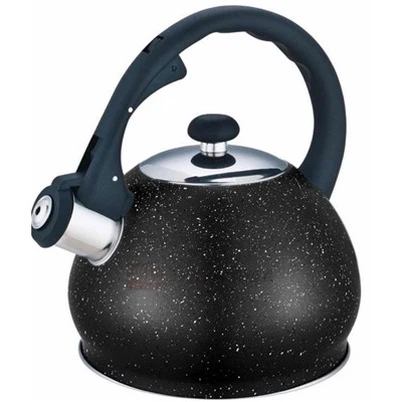
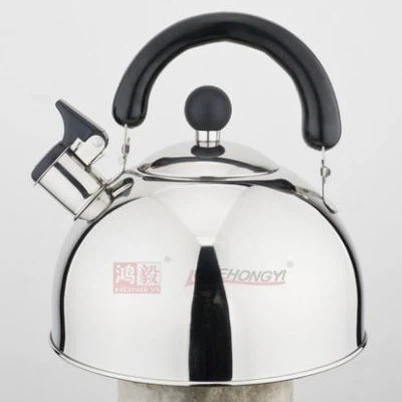
If you're in the market for a new kettle, check out our Best Stainless Steel Kettle. It's designed with limescale prevention in mind. It has a wide opening for easy cleaning and a high - quality removable limescale filter.
Maintenance Tips for Long - Term Use
In addition to the above methods, there are some long - term maintenance tips that can help you keep your kettle free from limescale. For instance, if you notice that your kettle is starting to make a strange noise when boiling water, it could be a sign of limescale buildup. Don't ignore this. As soon as you hear an unusual noise, it's time to give your kettle a deep clean.
Also, if you're not going to use your kettle for a long time, make sure to store it properly. Clean it thoroughly first, then dry it completely. You can store it in a cool, dry place. If possible, keep it in a box or a bag to protect it from dust and moisture.
Our Product Range
As a supplier, we offer a wide range of stainless steel kettles. Our Vintage Stainless Steel Kettle not only looks great but is also built to last. It has a durable stainless - steel body that resists limescale buildup better than other materials. And if you're a fan of the classic whistle sound when the water boils, check out our Stainless Steel Kettle Whistle. It's a high - quality whistle that adds a touch of old - fashioned charm to your kettle.
Contact Us for Purchasing
If you're interested in purchasing our best stainless tea kettles or have any questions about preventing limescale buildup, feel free to reach out. We're always here to help you find the perfect kettle for your needs and give you more tips on keeping it in great condition. Whether you're a home user or a business looking to stock up, we've got you covered.
References
- "The Chemistry of Limescale Formation." Journal of Water Science, Vol. 15, Issue 2.
- "Best Practices for Kettle Maintenance." Home Appliance Magazine, March 2022.
- "Natural Cleaning Solutions for Home Appliances." Green Living Today, July 2023.