
How do Europe tea pots compare to Asian tea pots?
Leave a message

Tea, a beverage steeped in history and culture, is enjoyed across the globe in various forms. The tea pot, an essential vessel for brewing and serving tea, also varies significantly between Europe and Asia, each carrying its own unique design, functionality, and cultural significance. As a Europe tea pots supplier, I am eager to delve into the comparison between Europe and Asian tea pots, offering insights into their characteristics and helping you make an informed choice for your tea - brewing journey.
Design
Europe Tea Pots
European tea pots often feature elegant and ornate designs. They are influenced by a long - standing tradition of craftsmanship and the decorative arts. Many European tea pots are made from materials like porcelain, ceramic, and silver, which allow for detailed ornamentation. For example, porcelain tea pots may be hand - painted with intricate floral patterns, landscapes, or scenes from mythology. Silver tea pots, on the other hand, can be engraved with elaborate motifs, adding a touch of luxury.
The shapes of European tea pots are also diverse. They can range from classic spherical designs to more angular and modern forms. A well - known traditional shape is the round - bodied tea pot with a long spout and a handle that curves gracefully. This design not only looks aesthetically pleasing but also provides a comfortable grip for pouring. Some European tea pots are also designed with lids that fit snugly, and they may have finials on top that can be quite decorative, adding an extra element of style.
Asian Tea Pots
In contrast, Asian tea pots, especially those from China and Japan, lean towards simplicity and functionality. In Chinese culture, tea is often regarded as a way of connecting with nature and achieving inner peace, so tea pots are designed to reflect this philosophy. Many Chinese tea pots are made from Yixing clay, a unique type of purple - sand clay known for its porous nature. Yixing tea pots usually have a simple and unadorned appearance, with smooth curves and clean lines.


Japanese tea pots, particularly those used in the traditional tea ceremony, are also designed with minimalism in mind. They are often made from ceramic or cast - iron. The design emphasizes the natural beauty of the materials and the harmony of form. For example, a Japanese cast - iron tea pot may have a rustic, earthy look, with a simple shape that is both practical and in tune with the Zen aesthetic.
Functionality
Europe Tea Pots
European tea pots are typically designed for larger - scale brewing and serving. They are often used to make tea for a group of people, and thus, they have a relatively large capacity. A common size for a European tea pot can range from 1 liter to 2 liters, allowing for multiple servings at once.
The spout design is also optimized for a smooth and controlled pour. Most European tea pots have a long, tapered spout that helps in directing the flow of tea and preventing drips. The wide openings of these tea pots also make it easier to add tea leaves and clean the interior. Additionally, many European tea pots come with built - in strainers, which are convenient for separating the tea leaves from the brewed tea.
Asian Tea Pots
Asian tea pots, on the other hand, are more focused on the single - serving or small - group brewing process. In traditional Chinese tea - brewing methods, the emphasis is on the quality of the tea and the art of multiple infusions. As a result, Chinese tea pots are usually smaller, with a capacity of around 100 - 300 milliliters.
Japanese tea pots used in the tea ceremony are also relatively small, as they are made to serve the precise amount of tea required for the ritual. The functionality of Asian tea pots often relies more on the user's skill in handling them. For example, pouring from a Chinese Yixing tea pot requires a delicate touch to control the flow, as the spout is usually shorter and wider compared to European ones.
Cultural Significance
Europe Tea Pots
In Europe, tea drinking became a popular social activity, especially in the 18th and 19th centuries. Tea parties were a fashionable way for people to gather, socialize, and display their wealth and taste. The tea pot, therefore, became a centerpiece of these gatherings. Owning a fine porcelain or silver tea pot was a symbol of status and refinement.
European tea culture also influenced the design and use of tea pots in other parts of the world. For instance, in the British colonies, tea pots from Europe were introduced and adapted to local practices. The tea - making rituals in Europe often involve adding milk and sugar to the tea, and the design of the tea pot caters to this practice, with a large enough capacity to hold a strong brew that can be diluted.
Asian Tea Pots
In Asia, tea is deeply rooted in religious, philosophical, and social traditions. In China, tea has been associated with Taoism, Confucianism, and Buddhism for thousands of years. The tea pot is regarded as a sacred vessel in the tea - brewing process, and the act of making and drinking tea is seen as a form of meditation.
In Japan, the tea ceremony, or Chanoyu, is a highly - structured ritual that incorporates every aspect of using a tea pot, from the way it is held to the way it is cleaned. The tea pot in this context is not just a tool for brewing tea but a symbol of respect, harmony, and tranquility.
Quality and Durability
Europe Tea Pots
European tea pots made from high - quality materials such as porcelain and silver are known for their durability. Porcelain tea pots can last for generations if properly cared for. They are fired at high temperatures, which makes them resistant to chipping and cracking. Silver tea pots, with their sturdy construction, can endure the test of time and may even increase in value over the years.
However, some European tea pots made from more delicate materials may require special handling. For example, hand - painted porcelain tea pots need to be washed gently to prevent the paint from fading.
Asian Tea Pots
Asian tea pots, especially those made from Yixing clay, are also highly regarded for their quality and durability. Yixing clay has a unique property that allows it to absorb the flavor of the tea over time, enhancing the taste of subsequent brews. These tea pots can last for a long time, and with proper maintenance, they can develop a beautiful patina.
Japanese cast - iron tea pots are also known for their robustness. They are heavy - duty and can withstand high temperatures, making them suitable for long - term use.
Price and Availability
Europe Tea Pots
European tea pots can vary widely in price. High - end porcelain and silver tea pots from renowned brands can be quite expensive, often costing hundreds or even thousands of dollars. These are usually hand - crafted pieces with intricate designs and high - quality materials.
On the other hand, if you are looking for Cheap Teapots in Bulk, there are more affordable options available. Stainless - steel tea pots, for example, are a cost - effective alternative and are widely available in the market. They offer good quality and functionality at a reasonable price.
Asian Tea Pots
Asian tea pots also have a wide price range. Traditional Yixing tea pots made by master craftsmen can be very expensive due to their unique properties and the skill required to make them. These are often considered collectibles.
However, there are also more affordable Asian tea pots available, especially those made from common ceramic materials. These are suitable for everyday use and can be found in many tea - related stores around the world.
Suggested Products
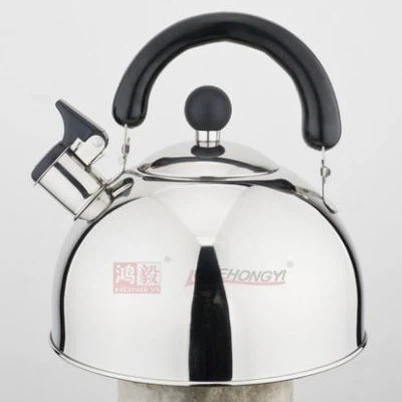
As a Europe tea pots supplier, I would like to introduce some of our featured products. Our Stainless Steel Eight - square Tea Pots are a great option for those who value modern design and durability. The eight - square shape gives them a unique and stylish look, while the stainless - steel material ensures long - term use.
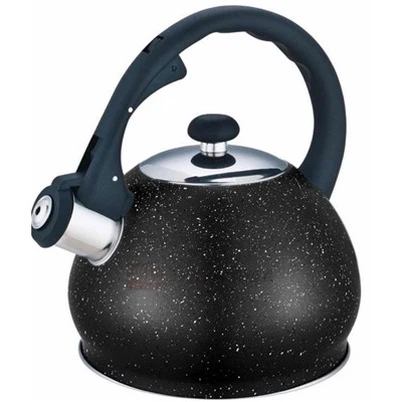
We also offer Black Tea Pots. The black finish adds a touch of elegance to these tea pots, and they are available in different sizes and styles to suit your needs.
Conclusion
In summary, European and Asian tea pots have distinct characteristics in terms of design, functionality, cultural significance, quality, price, and availability. European tea pots are often about elegance and large - scale serving, while Asian tea pots are more focused on simplicity and the art of single - serving or small - group brewing.
Whether you prefer the ornate charm of European tea pots or the minimalist elegance of Asian ones, there is a tea pot out there for you. If you are interested in exploring our range of Europe tea pots, we invite you to contact us for procurement and negotiation. We are committed to providing high - quality products and excellent service to meet your tea - brewing needs.
References
- “The History of European Tea Culture” by Tea Tradition Journal
- “Asian Tea Pots: Design and Function” by East Asian Tea Studies