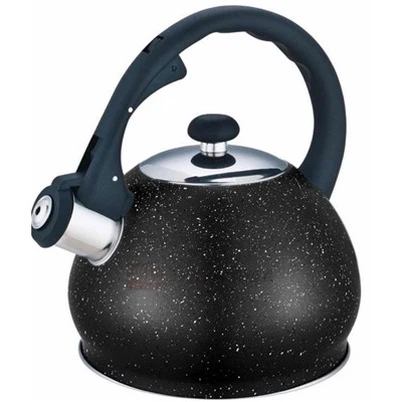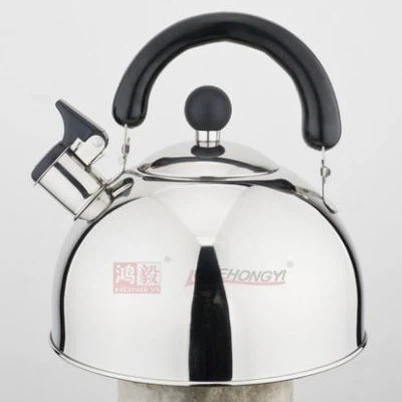

Do stainless steel kettles rust easily?
Leave a message

Stainless steel kettles have long been a popular choice in kitchens around the world. Their sleek appearance, durability, and seemingly rust - resistant nature make them a staple for those who enjoy a hot cup of tea, coffee, or any other warm beverage. As a supplier of a wide range of stainless steel kettles, including the Vintage Stainless Steel Kettle, Stainless Steel Kettle Whistle, and Traditional Stainless Steel Kettle, I am often asked whether these kettles rust easily. In this blog, we will delve into the science behind stainless steel and explore the factors that can influence its susceptibility to rust.
The Science of Stainless Steel
Stainless steel is an alloy primarily composed of iron, with a minimum of 10.5% chromium content. Chromium plays a crucial role in the rust - resistance of stainless steel. When exposed to oxygen in the air, chromium reacts to form a thin, invisible layer of chromium oxide on the surface of the steel. This passive layer acts as a barrier, preventing oxygen and moisture from reaching the underlying iron and thus inhibiting the formation of rust.
The effectiveness of this passive layer depends on several factors, including the chromium content, the presence of other alloying elements, and the environmental conditions to which the stainless steel is exposed. Higher chromium levels generally lead to better corrosion resistance. Additionally, other elements such as nickel, molybdenum, and titanium can be added to enhance the properties of stainless steel, making it more resistant to specific types of corrosion.
Factors Affecting Rust in Stainless Steel Kettles
1. Water Quality
The quality of the water used in the kettle can have a significant impact on its rust resistance. Water that contains high levels of dissolved minerals, such as calcium, magnesium, and iron, can leave behind deposits on the inner surface of the kettle. These deposits, commonly known as limescale, can create an environment where the passive layer of chromium oxide can be compromised.
In addition, water with a low or high pH level can also affect the stability of the passive layer. Acidic water, for example, can dissolve the chromium oxide layer, exposing the underlying iron to oxygen and moisture and increasing the risk of rust. On the other hand, alkaline water can also cause problems by promoting the formation of certain types of corrosion products.
2. Cleaning and Maintenance
Proper cleaning and maintenance are essential for preventing rust in stainless steel kettles. Regularly cleaning the kettle with mild, non - abrasive cleaners can help remove any dirt, limescale, or other contaminants that may accumulate on the surface. Avoid using abrasive sponges or harsh chemicals, as these can scratch the surface of the stainless steel and damage the passive layer.
It is also important to dry the kettle thoroughly after each use. Leaving water in the kettle for extended periods can create a moist environment that is conducive to rust formation. If limescale has built up inside the kettle, it can be removed using a descaling solution. However, it is crucial to follow the manufacturer's instructions carefully when using descaling products to avoid damaging the stainless steel.
3. Physical Damage
Scratches, dents, or other forms of physical damage to the surface of the stainless steel kettle can compromise the integrity of the passive layer. When the passive layer is damaged, the underlying iron is exposed to oxygen and moisture, increasing the risk of rust. Therefore, it is important to handle the kettle with care and avoid using sharp or abrasive objects that could scratch the surface.
4. Environmental Conditions
The environment in which the kettle is used and stored can also affect its rust resistance. High humidity levels, exposure to saltwater or other corrosive substances, and extreme temperatures can all contribute to the breakdown of the passive layer and the formation of rust. For example, if the kettle is used in a coastal area where the air is salty, the salt can react with the stainless steel and accelerate the corrosion process.
Do Stainless Steel Kettles Rust Easily?
In general, high - quality stainless steel kettles do not rust easily. The chromium in the stainless steel forms a protective layer that provides excellent corrosion resistance under normal conditions. However, as discussed above, certain factors can increase the risk of rust.
If the kettle is used with clean water, properly maintained, and not exposed to harsh environmental conditions or physical damage, it can last for many years without showing any signs of rust. On the other hand, if the water quality is poor, the kettle is not cleaned regularly, or it is subjected to physical damage, rust may occur over time.
Our Stainless Steel Kettles
As a supplier of stainless steel kettles, we take pride in offering products that are made from high - quality stainless steel. Our Vintage Stainless Steel Kettle combines the classic charm of vintage design with the modern functionality of a stainless - steel construction. It is crafted with care to ensure maximum durability and rust resistance.
Our Stainless Steel Kettle Whistle is an essential accessory that adds a touch of convenience to your kettle. Made from the same high - quality stainless steel, it is designed to withstand regular use and resist rust.
The Traditional Stainless Steel Kettle is a timeless choice for those who appreciate simplicity and functionality. It is built to last, with a robust stainless - steel body that provides excellent protection against rust.
Conclusion
In conclusion, while stainless steel kettles are generally resistant to rust, they are not completely immune. The key to preventing rust is to understand the factors that can affect the integrity of the passive layer and take appropriate measures to protect the kettle. By using clean water, maintaining the kettle properly, avoiding physical damage, and being mindful of the environmental conditions, you can ensure that your stainless steel kettle remains in good condition for many years.


If you are interested in purchasing high - quality stainless steel kettles or have any questions about our products, we encourage you to contact us for procurement discussions. We are committed to providing our customers with the best products and services, and we look forward to working with you.
References
- ASM Handbook Committee. (1994). ASM Handbook Volume 13A: Corrosion: Fundamentals, Testing, and Protection. ASM International.
- Uhlig, H. H., & Revie, R. W. (1985). Corrosion and Corrosion Control: An Introduction to Corrosion Science and Engineering. Wiley - Interscience.