
Do metal tea kettles make a popping sound when boiling?
Leave a message

As a supplier of Tea Kettle Metal, I've encountered numerous queries from customers regarding the peculiar sounds that metal tea kettles make, especially the popping sound during boiling. In this blog post, I'll delve into the science behind this phenomenon, drawing on my industry experience and knowledge to provide a comprehensive answer.


The Science of Boiling in Metal Tea Kettles
To understand why metal tea kettles might make a popping sound when boiling, we first need to grasp the basic principles of boiling. When water is heated in a kettle, the heat is transferred from the heat source through the metal of the kettle to the water. As the water nears its boiling point, bubbles begin to form at the bottom and sides of the kettle where the heat is most intense.
These bubbles are primarily composed of water vapor. As the water molecules gain enough energy, they transition from the liquid phase to the gaseous phase, creating these pockets of vapor. The formation and behavior of these bubbles are influenced by several factors, including the temperature of the water, the pressure within the kettle, and the characteristics of the metal surface.
Factors Contributing to the Popping Sound
1. Nucleation Sites
Nucleation sites are small imperfections or rough spots on the inner surface of the kettle where bubbles can form more easily. Metal tea kettles often have microscopic irregularities on their surfaces, which act as nucleation sites. When water is heated, vapor bubbles start to form at these sites. As the bubbles grow, they eventually break free from the surface and rise to the top of the water. The process of a bubble detaching from a nucleation site can create a popping or cracking sound, especially if the bubble forms and detaches rapidly.
2. Scale and Mineral Deposits
Over time, mineral deposits such as calcium and magnesium carbonate can accumulate on the inner surface of the kettle. These deposits can create additional nucleation sites and also affect the way bubbles form and grow. When the water boils, the bubbles may interact with these deposits, causing them to vibrate and produce a popping sound. Additionally, as the scale breaks off or shifts due to the movement of the boiling water, it can also contribute to the noise.
3. Metal Properties
The type of metal used in the kettle can also play a role in the sound production. Different metals have different thermal conductivities, which affect how quickly heat is transferred to the water. Metals with lower thermal conductivity may heat the water unevenly, leading to more rapid and irregular bubble formation. For example, a Brushed Metal Kettle may have a different surface finish that can influence the behavior of the bubbles and the resulting sound.
The Role of Kettle Design
The design of the kettle can also impact the popping sound. Kettles with a thinner metal wall may transfer heat more quickly, leading to more intense boiling and potentially louder popping sounds. On the other hand, kettles with a thicker wall may distribute heat more evenly, reducing the likelihood of rapid and irregular bubble formation. Additionally, the shape of the kettle, such as its height and width, can affect the movement of the boiling water and the way bubbles rise to the surface.
Is the Popping Sound a Cause for Concern?
In most cases, the popping sound made by a metal tea kettle during boiling is completely normal and does not indicate any problems with the kettle. It is simply a result of the physical processes involved in boiling water. However, if the sound is extremely loud or accompanied by other issues such as leaks, discoloration, or a burning smell, it may be a sign of a more serious problem, and the kettle should be inspected or replaced.
Our Metal Tea Kettle Products
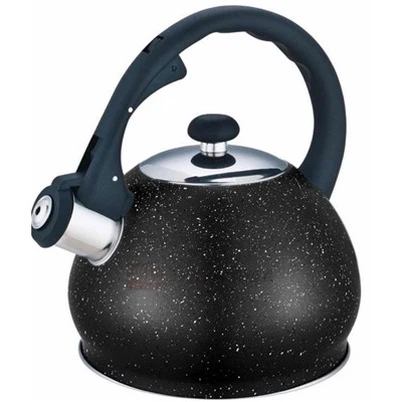
At our company, we offer a wide range of high - quality Tea Kettle Metal products. Our Metal Lined Kettle is designed with precision to ensure even heat distribution and minimize the popping sound. We use only the finest metals, carefully selected for their durability and thermal properties.
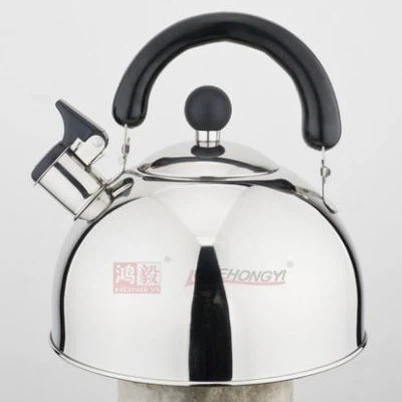
Our Brushed Metal Kettle not only offers a stylish appearance but also provides a smooth and consistent boiling experience. The brushed finish not only adds an aesthetic appeal but also helps to reduce the formation of scale and mineral deposits, which can contribute to the popping sound.
Contact Us for Procurement
If you are in the market for high - quality metal tea kettles or metal materials for tea kettle production, we would love to hear from you. Our team of experts is ready to assist you in finding the perfect solution for your needs. Whether you are a small business looking for a unique product or a large manufacturer in need of bulk supplies, we can provide you with the best options at competitive prices.
We understand the importance of quality and reliability in the tea kettle industry, and we are committed to delivering products that meet and exceed your expectations. Contact us today to start a conversation about your procurement requirements, and let us help you take your tea kettle business to the next level.
References
- Brown, T. L., LeMay, H. E., Bursten, B. E., & Murphy, C. J. (2017). Chemistry: The Central Science. Pearson.
- Halliday, D., Resnick, R., & Walker, J. (2014). Fundamentals of Physics. Wiley.
- Incropera, F. P., & DeWitt, D. P. (2002). Introduction to Heat Transfer. Wiley.