
Do double color metal kettles rust easily?
Leave a message

As a supplier of Double Color Metal Kettles, I often encounter a common question from customers: "Do double color metal kettles rust easily?" This is a crucial concern for many, as rust not only affects the aesthetic appeal of the kettle but also raises potential health and safety issues. In this blog post, I'll delve into the factors that influence the rusting of double color metal kettles and provide insights based on scientific knowledge and practical experience.
Understanding the Composition of Double Color Metal Kettles
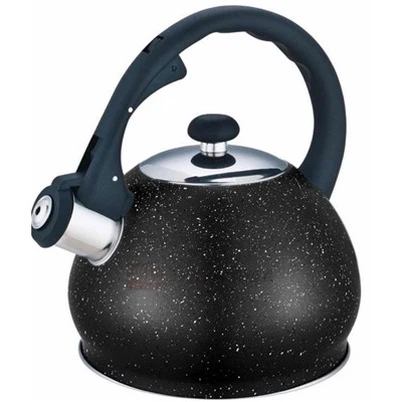
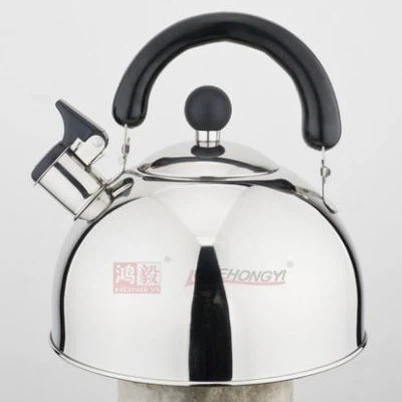
Double color metal kettles are typically made from a combination of metals, often including stainless steel, aluminum, or a blend of both. The "double color" aspect usually refers to a coating or finish that gives the kettle its distinctive appearance. Stainless steel is a popular choice for the inner layer due to its corrosion - resistant properties, while the outer layer may have a different finish for aesthetic purposes.
Stainless steel contains chromium, which forms a thin, invisible layer of chromium oxide on the surface. This layer acts as a protective barrier, preventing oxygen and moisture from reaching the underlying metal and thus inhibiting rust formation. Aluminum, on the other hand, is lightweight and has good heat conductivity. It also forms a natural oxide layer when exposed to air, which provides some protection against corrosion.
Factors Affecting Rusting
1. Quality of Materials
The quality of the metals used in the kettle is a primary factor in determining its rust - resistance. High - grade stainless steel with a sufficient chromium content (usually 10.5% or more) is more resistant to rust than lower - grade alternatives. Cheaper kettles may use stainless steel with a lower chromium content or may have impurities in the metal, which can compromise the protective oxide layer and make the kettle more prone to rusting.
2. Environmental Conditions
The environment in which the kettle is used and stored plays a significant role in rusting. If the kettle is frequently exposed to high humidity, salty air (such as in coastal areas), or acidic substances, the risk of rusting increases. For example, if the kettle is left in a damp bathroom or near a saltwater pool, the moisture and salt can accelerate the corrosion process.
3. Maintenance and Usage
Proper maintenance and usage can greatly extend the lifespan of a double color metal kettle and prevent rusting. After each use, it's important to dry the kettle thoroughly, especially the areas around the spout and handle where water may accumulate. Avoid using abrasive cleaners or scouring pads, as these can scratch the surface of the kettle, damaging the protective oxide layer and making it more susceptible to rust.
Rust - Prevention Measures
1. Choose High - Quality Kettles
When purchasing a double color metal kettle, look for products from reputable manufacturers that use high - quality materials. You can also check customer reviews to get an idea of the kettle's rust - resistance. Our company takes pride in sourcing the best materials for our Double Color Metal Kettles, ensuring that they meet strict quality standards.
2. Control the Environment
Store the kettle in a dry place away from sources of moisture and chemicals. If possible, use a dehumidifier in areas with high humidity to reduce the risk of rusting. When using the kettle, avoid contact with acidic substances such as lemon juice or vinegar for extended periods.
3. Regular Maintenance
Develop a regular cleaning routine for your kettle. Use a mild detergent and a soft cloth to clean the surface. For stubborn stains, you can use a mixture of baking soda and water. After cleaning, rinse the kettle thoroughly and dry it completely.
Comparing with Other Metal Kettles
To better understand the rust - resistance of double color metal kettles, let's compare them with other types of metal kettles.
All Metal Tea Kettle
An All Metal Tea Kettle may be made entirely of a single metal, such as copper or iron. While copper kettles have excellent heat conductivity, they are more prone to oxidation and can develop a patina over time. Iron kettles, on the other hand, are highly susceptible to rusting if not properly coated or maintained. Double color metal kettles, with their stainless steel inner layer, generally offer better rust - resistance than these alternatives.
Tea Kettle Metal
Tea Kettle Metal can vary widely in composition. Some tea kettles may use a combination of different metals, each with its own rust - resistance properties. Double color metal kettles are designed to balance aesthetics and functionality, with the outer layer providing a unique look and the inner layer offering protection against rust.
Small Metal Kettle
Small Metal Kettle often have the same rust - related concerns as larger kettles. However, due to their smaller size, they may be more easily stored in a dry and protected environment. Double color metal small kettles are a popular choice as they combine the convenience of a small size with the rust - resistance of high - quality metals.
Our Company's Commitment to Quality
As a supplier of Double Color Metal Kettles, we are committed to providing our customers with products that are not only visually appealing but also highly rust - resistant. We conduct rigorous quality control tests on each kettle to ensure that it meets our standards. Our manufacturing process involves using advanced techniques to enhance the protective properties of the metals and the durability of the double color finish.
Conclusion
In conclusion, double color metal kettles do not rust easily if they are made from high - quality materials, used in a suitable environment, and properly maintained. By understanding the factors that affect rusting and taking appropriate prevention measures, you can enjoy your double color metal kettle for many years without worrying about rust.

If you are interested in purchasing our Double Color Metal Kettles or have any questions about their rust - resistance, please feel free to contact us for a procurement discussion. We look forward to working with you to meet your needs.
References
- "Corrosion of Metals" by Robert Baboian.
- "Stainless Steel: A Primer" by ASM International.
- "The Science of Metal Kettles" - Journal of Kitchenware Technology.