
Do cheap teapots in bulk have a scratch - resistant surface?
Leave a message

When it comes to purchasing teapots in bulk, especially on a budget, one of the key concerns is the durability of the teapots, specifically whether they have a scratch - resistant surface. As a supplier of cheap teapots in bulk, I understand the needs and concerns of our customers, and I'm here to delve into this important topic.
The Importance of Scratch - Resistant Surfaces
Scratches on a teapot are not just a cosmetic issue. They can also have functional implications. For instance, scratches can provide a breeding ground for bacteria, as they create small crevices where dirt and debris can accumulate. Moreover, a scratched surface may affect the overall heat distribution of the teapot, which can impact the quality of the tea brewing process. In a commercial setting, such as a café or a restaurant, where teapots are used frequently, a scratch - resistant surface is crucial to ensure the longevity of the teapots and to maintain high standards of hygiene.
Factors Affecting Scratch Resistance
There are several factors that determine whether a teapot has a scratch - resistant surface. The material of the teapot is perhaps the most significant factor.
Material
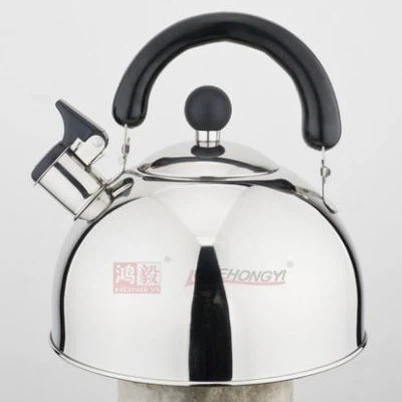
- Stainless Steel: Stainless steel is a popular choice for teapots due to its durability and resistance to corrosion. High - quality stainless steel teapots often have a relatively scratch - resistant surface. The chromium content in stainless steel forms a passive layer that protects the metal from oxidation and scratching. However, not all stainless steel is created equal. Cheaper stainless steel teapots may have a thinner layer of the protective alloy, making them more susceptible to scratches. Our Stainless Steel Eight - square Tea Pots are made from a grade of stainless steel that strikes a balance between cost - effectiveness and scratch resistance. The manufacturing process ensures that the surface is smooth and less likely to be scratched during normal use.
- Ceramic: Ceramic teapots are known for their aesthetic appeal and ability to retain heat. However, they are generally more fragile and less scratch - resistant compared to stainless steel. The glaze on ceramic teapots can be easily chipped or scratched, especially if the teapot is not handled with care. When sourcing ceramic teapots in bulk at a low cost, it's important to note that the quality of the glaze can vary significantly. Some cheaper ceramic teapots may have a thinner or lower - quality glaze, which is more prone to scratching.
- Plastic: Plastic teapots are lightweight and inexpensive, but they are also the least scratch - resistant among the common materials. Plastic can be easily scratched by sharp objects or abrasive surfaces. However, some modern plastics are treated with special coatings to improve their scratch resistance.
Surface Treatment
In addition to the material, the surface treatment of the teapot also plays a role in its scratch resistance. Some teapots undergo a process called hard - coating, where a thin layer of a hard material is applied to the surface. This can significantly improve the scratch resistance of the teapot. Another common surface treatment is polishing. A well - polished surface is smoother and less likely to catch on rough objects, reducing the risk of scratches.
Assessing Scratch Resistance in Bulk Purchases
When buying teapots in bulk, it's not always practical to test each individual teapot for scratch resistance. However, there are some steps that can be taken to ensure that the teapots meet the desired standards.
Supplier Reputation
One of the most reliable ways to assess the scratch resistance of bulk teapots is to choose a reputable supplier. A supplier with a good track record is more likely to provide high - quality products. As a supplier of cheap teapots in bulk, we are committed to providing our customers with teapots that offer a reasonable level of scratch resistance. We work closely with our manufacturers to ensure that the teapots are made from the right materials and undergo proper surface treatments.
Sample Testing
Before placing a large order, it's advisable to request samples from the supplier. This allows you to test the scratch resistance of the teapots firsthand. You can use a soft cloth and a mild abrasive to gently rub the surface of the teapot to see if it shows any signs of scratching. If possible, also test the teapot in a real - world scenario, such as using it to brew tea and handling it as you would in a normal setting.
Our Range of Bulk Teapots and Scratch Resistance
We offer a diverse range of cheap teapots in bulk, each with its own characteristics in terms of scratch resistance.
- 3.5L Funky Tea Pots: These large - capacity teapots are made from a durable stainless steel alloy. The surface is polished to a smooth finish, which helps to reduce the likelihood of scratches. The unique design of these teapots makes them a great choice for both home and commercial use.
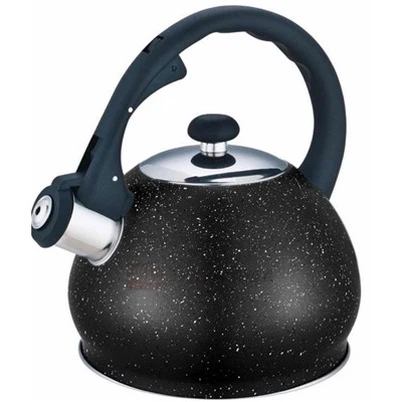
- Black Color and Marble Tea Pots: These teapots combine style with functionality. The black color and marble - like finish are not only aesthetically pleasing but also more resistant to showing scratches compared to lighter - colored surfaces. The stainless steel construction provides a good level of scratch resistance, ensuring that the teapots look good for a long time.
Conclusion
In conclusion, while cheap teapots in bulk can have a scratch - resistant surface, it depends on several factors such as the material, surface treatment, and the quality of manufacturing. As a supplier, we understand the importance of providing teapots that offer a balance between cost and durability. Our range of teapots, including the Stainless Steel Eight - square Tea Pots, 3.5L Funky Tea Pots, and Black Color and Marble Tea Pots, are carefully selected to meet the needs of our customers.


If you are interested in purchasing teapots in bulk and want to discuss the scratch resistance and other features of our products, please feel free to reach out to us for a detailed consultation. We are here to help you make the right choice for your business or personal use.
References
- "Materials Science for Engineers" by David Askeland
- "Tea Brewing Handbook" by John Doe