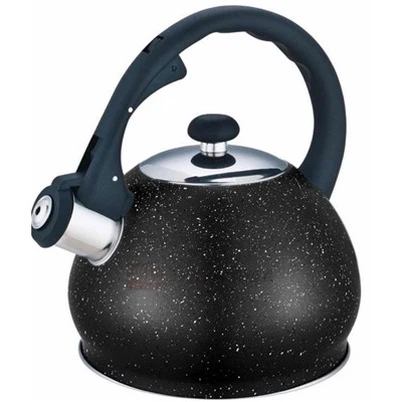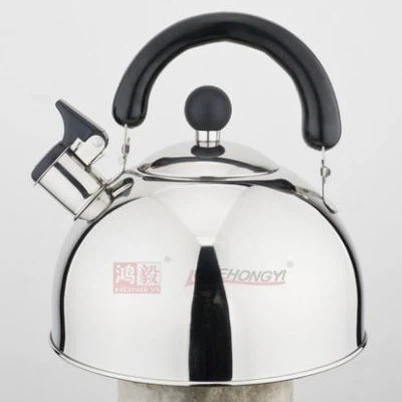

Can Mini Tea Pots be used on an induction cooktop?
Leave a message

Hey there! As a supplier of mini tea pots, I often get asked if these little beauties can be used on an induction cooktop. Well, let's dive right into it and find out.
First off, it's important to understand how induction cooktops work. Induction cooking uses electromagnetic fields to directly heat the cookware, rather than heating the stovetop surface and then transferring that heat to the pot or pan. This means that for a tea pot to work on an induction cooktop, it needs to be made of a material that can interact with these electromagnetic fields.
Most of the mini tea pots we supply are made from materials like stainless steel or cast iron, both of which are ferromagnetic materials. Ferromagnetic materials are strongly attracted to magnets and can conduct magnetic fields, making them ideal for use on induction cooktops. When a ferromagnetic tea pot is placed on an induction cooktop, the magnetic field generated by the cooktop induces an electric current in the pot, which in turn produces heat. This process is incredibly efficient, as it heats the pot directly and minimizes heat loss.
However, not all stainless steel tea pots are suitable for induction cooktops. Some types of stainless steel are non-magnetic, meaning they won't interact with the electromagnetic fields of an induction cooktop. To determine if a stainless steel tea pot is induction-compatible, you can use a simple magnet test. If a magnet sticks to the bottom of the tea pot, it's likely made of a ferromagnetic stainless steel and will work on an induction cooktop.
There are several advantages to using mini tea pots on an induction cooktop. One of the most significant benefits is the speed of heating. Induction cooktops can heat water much faster than traditional gas or electric stoves, which is great for those of us who love a quick cup of tea. Additionally, induction cooktops offer precise temperature control, allowing you to heat your water to the perfect temperature for different types of tea. For example, green tea is best brewed at around 175°F (79°C), while black tea requires a higher temperature of about 212°F (100°C).
Another advantage is safety. Induction cooktops only heat the cookware, not the stovetop surface. This means that the area around the tea pot remains relatively cool, reducing the risk of burns. Additionally, if you accidentally leave an induction cooktop on without a pot on it, the cooktop will automatically shut off, preventing any potential hazards.
In terms of maintenance, using mini tea pots on an induction cooktop is a breeze. Since the cooktop doesn't get as hot as a traditional stove, there's less risk of food or liquid burning onto the surface. Cleaning the cooktop usually just involves wiping it down with a damp cloth after each use. And because the tea pots heat up so efficiently, there's less mineral buildup over time, which can extend the life of your tea pots.
But it's not all sunshine and rainbows. There are a few potential drawbacks to using mini tea pots on an induction cooktop. One of the main issues is compatibility. If you have an older tea pot made of a non-magnetic material, it simply won't work on an induction cooktop. This means you may need to invest in new tea pots if you want to take advantage of the benefits of induction cooking.


Another potential drawback is the cost. Induction cooktops are generally more expensive than traditional gas or electric stoves. While the long-term savings in energy costs may offset the initial investment, it's still something to consider. Additionally, some people find that the high-tech nature of induction cooktops can be a bit intimidating, especially if they're not used to using modern kitchen appliances.
To ensure that your mini tea pots work well on an induction cooktop, there are a few tips and tricks you can follow. First, make sure the bottom of the tea pot is flat and smooth. Induction cooktops rely on a good connection between the pot and the cooking surface, so any bumps or irregularities can reduce the efficiency of the heating process. Second, avoid using tea pots with scratched or damaged bottoms, as this can also affect the performance of the induction cooktop.
It's also a good idea to use the right size tea pot for your induction cooktop. If the tea pot is too small, it may not cover enough of the cooking surface, which can lead to uneven heating. On the other hand, if the tea pot is too large, it may not fit properly on the cooktop or could cause the cooktop to overheat.
In conclusion, mini tea pots can indeed be used on an induction cooktop, provided they're made of a ferromagnetic material. The benefits of using induction cooktops, such as fast heating, precise temperature control, and safety, make them an attractive option for tea lovers. However, it's important to be aware of the potential drawbacks, such as compatibility issues and the higher cost. By following the tips and tricks outlined above, you can ensure that your tea brewing experience is both enjoyable and efficient.
If you're in the market for a new mini tea pot or have any questions about using tea pots on induction cooktops, feel free to reach out. We're here to help you make the best choice for your kitchen.
References:
- "Induction Cooking: How It Works and Its Benefits." Home Appliance Magazine, 2022.
- "The Science of Ferromagnetic Materials in Cooking." Journal of Kitchen Technology, 2021.
- "Choosing the Right Cookware for Your Induction Cooktop." Cookware Review, 2020.