
Can I use a whistling tea pot for making fruit tea?
Leave a message

Certainly, using a whistling tea pot for making fruit tea is not only feasible but can also enhance your tea - making experience. As a supplier of Whistling Tea Pots, I am excited to share with you the details of how these charming kitchen tools can be used to brew delicious fruit tea.
Compatibility of Whistling Tea Pots with Fruit Tea
Whistling tea pots are typically made of materials like stainless steel, which are non - reactive and safe for brewing various types of tea, including fruit tea. Fruit tea is often a blend of dried fruits, herbs, and sometimes flowers. The brewing process of fruit tea involves steeping these ingredients in hot water to extract their flavors and nutrients.
The design of a whistling tea pot is well - suited for this process. Most whistling tea pots have a large capacity, allowing you to brew a generous amount of fruit tea at once. Whether you're making a single cup for yourself or a pot to share with friends and family, a whistling tea pot can handle the task. The spout of a whistling tea pot is usually designed to pour smoothly, ensuring that you can transfer the brewed fruit tea into cups without any spills.
Advantages of Using a Whistling Tea Pot for Fruit Tea
1. Visual Appeal
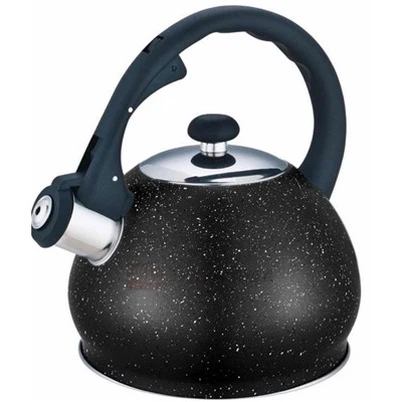
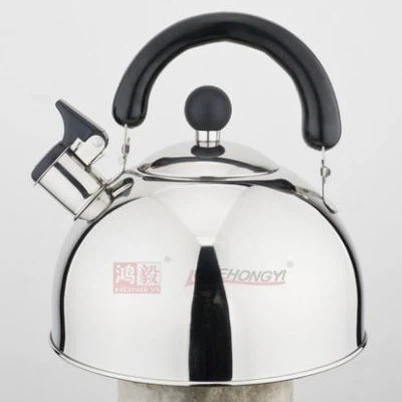
Whistling tea pots come in a variety of styles and designs. From sleek and modern to traditional and ornate, there is a whistling tea pot to match every kitchen decor. When you use a beautiful whistling tea pot to brew fruit tea, it adds an aesthetic touch to your tea - making ritual. You can choose from Black Tea Pots for a classic and elegant look or Black Color and Marble Tea Pots for a more luxurious and unique appearance.


2. Temperature Control
Maintaining the right temperature is crucial when brewing fruit tea. Different fruits and herbs require different water temperatures to release their optimal flavors. Whistling tea pots are often made of materials that can retain heat well. This means that once you've heated the water to the appropriate temperature for your fruit tea blend, the tea pot will keep the water warm for an extended period, allowing you to enjoy a consistently warm cup of fruit tea.
3. Whistling Function
The most distinctive feature of a whistling tea pot is, of course, its whistling function. When the water inside the pot reaches boiling point, the pot emits a loud whistle. This is extremely useful when making fruit tea. You don't have to constantly monitor the stove to see if the water is boiling. The whistle alerts you, preventing the water from over - boiling and potentially ruining the flavor of your fruit tea.
Steps to Make Fruit Tea in a Whistling Tea Pot
1. Choose Your Fruit Tea Blend
There are countless fruit tea blends available on the market, ranging from citrus - based blends to berry - filled concoctions. You can also create your own blend by combining your favorite dried fruits, herbs, and flowers. Some popular fruits for fruit tea include apples, oranges, strawberries, and lemons. Herbs like mint, chamomile, and lemongrass can add an extra layer of flavor.
2. Prepare the Whistling Tea Pot
Before using your whistling tea pot for the first time, it's a good idea to wash it thoroughly with warm, soapy water and rinse it well. This will remove any dust or debris that may have accumulated during storage or transportation.
3. Measure the Ingredients
For a standard - sized whistling tea pot, you can use about 1 - 2 tablespoons of loose - leaf fruit tea per 8 ounces of water. If you're using tea bags, follow the instructions on the packaging. You can adjust the amount of tea according to your personal taste preferences.
4. Heat the Water
Fill the whistling tea pot with fresh, cold water. Place the pot on the stove over medium - high heat. Wait for the water to reach boiling point, indicated by the whistling sound of the pot. Once the water is boiling, remove the pot from the heat.
5. Steep the Tea
Add the fruit tea to the boiling water in the whistling tea pot. Stir gently to ensure that all the tea leaves or tea bags are fully submerged. Cover the pot and let the tea steep for 5 - 10 minutes, depending on the type of fruit tea and your desired strength.
6. Strain and Serve
After the steeping time is up, use a tea strainer to remove the tea leaves or tea bags from the pot. Pour the brewed fruit tea into cups and enjoy it hot. You can add a slice of lemon, a sprig of mint, or a teaspoon of honey to enhance the flavor.
Maintenance of Whistling Tea Pots for Fruit Tea
To ensure the longevity and performance of your whistling tea pot, proper maintenance is essential. After each use, rinse the pot with warm water to remove any tea residue. If there are stubborn stains, you can use a mild dish soap and a soft sponge to clean the pot. Avoid using abrasive cleaners or scouring pads, as they can scratch the surface of the pot.
Periodically, you can descale the whistling tea pot to remove any mineral deposits that may have built up over time. You can do this by filling the pot with a mixture of equal parts water and white vinegar. Let the mixture sit in the pot for a few hours or overnight, then rinse the pot thoroughly with water.
Conclusion
In conclusion, using a whistling tea pot for making fruit tea is a great idea. It offers numerous advantages in terms of visual appeal, temperature control, and convenience. As a supplier of Whistling Tea Pots, I can attest to the quality and functionality of these products.
If you're interested in purchasing whistling tea pots for your home, café, or business, we'd love to have a conversation with you. We offer a wide range of whistling tea pots in different sizes, styles, and colors to meet your specific needs. Contact us to start a procurement discussion and find the perfect whistling tea pots for your fruit - tea - brewing adventures.
References
- "The Tea Lover's Handbook" by Jane Pettigrew
- "Herbal Teas: A Complete Guide" by Rosemary Gladstar