
Can I put a metal tea kettle in the dishwasher?
Leave a message

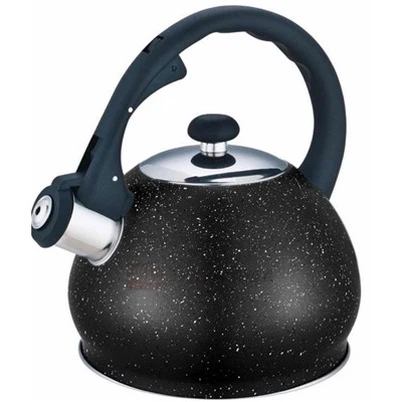
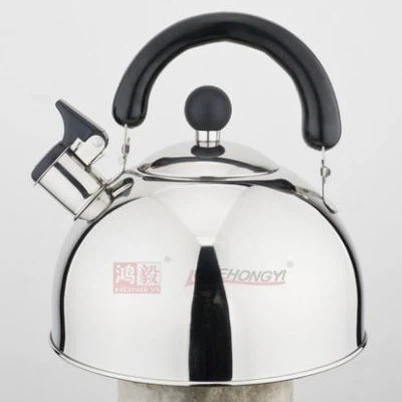
As a trusted supplier of Tea Kettle Metal, I often receive a variety of questions from customers regarding the use and maintenance of metal tea kettles. One of the most frequently asked questions is, "Can I put a metal tea kettle in the dishwasher?" This seemingly simple question actually involves a lot of factors that are crucial for the longevity and performance of your tea kettle. In this blog post, I'll delve into this topic, providing you with a comprehensive answer based on scientific knowledge and practical experience.

The Composition of Metal Tea Kettles
Before we answer whether a metal tea kettle can go in the dishwasher, it's essential to understand the materials used in making these kettles. Metal tea kettles are typically made from stainless steel, aluminum, copper, or a combination of these metals. Each material has its own unique properties that react differently to the dishwasher environment.
- Stainless Steel: This is one of the most common materials for tea kettles due to its durability, corrosion resistance, and sleek appearance. However, not all stainless steel is created equal. Some lower - grade stainless steels may contain impurities that can react with the high - alkaline detergents used in dishwashers.
- Aluminum: Aluminum is lightweight and an excellent conductor of heat. But it is a relatively soft metal and can easily react with the chemicals in dishwasher detergents, leading to discoloration and pitting.
- Copper: Copper is highly valued for its excellent heat conductivity, which allows for rapid boiling. However, copper is also very reactive and can tarnish quickly in the harsh dishwasher environment.
The Dishwasher Environment
Dishwashers operate under specific conditions that can be harsh on metal tea kettles. The high - pressure water jets, high - temperature cycles, and strong detergents used in dishwashers are designed to remove tough food stains from dishes. But these same conditions can have a detrimental effect on metal tea kettles.
- High - Pressure Water Jets: The forceful water jets in a dishwasher can cause physical damage to the tea kettle, especially if it has delicate parts such as a Kettle with Metal Filter. The metal filter may get bent or dislodged, affecting its functionality.
- High - Temperature Cycles: Dishwashers typically operate at high temperatures, often exceeding 140°F (60°C). This can cause thermal stress on the metal, leading to warping or cracking, especially in thinner - walled kettles.
- Strong Detergents: Dishwasher detergents are formulated to be highly alkaline to break down grease and food residues. These alkaline detergents can react with the metal surface of the tea kettle, causing corrosion, discoloration, and a loss of the kettle's original finish. For example, aluminum can react with the alkaline detergents to form aluminum hydroxide, which appears as a white, powdery substance on the kettle's surface.
Potential Risks of Putting a Metal Tea Kettle in the Dishwasher
Based on the above factors, there are several risks associated with putting a metal tea kettle in the dishwasher.
- Corrosion and Rust: As mentioned earlier, the alkaline detergents and high - moisture environment in the dishwasher can accelerate the corrosion process. This is particularly true for tea kettles made from metals that are prone to rust, such as some types of stainless steel or steel alloys. Once corrosion starts, it can spread quickly, compromising the structural integrity of the kettle.
- Damage to the Finish: Many metal tea kettles, like Brushed Metal Kettle, have a specific finish that gives them their aesthetic appeal. The high - pressure water jets and abrasive detergents in the dishwasher can scratch or damage this finish, making the kettle look dull and worn.
- Loosening of Parts: The constant agitation and vibration in the dishwasher can cause parts of the tea kettle, such as the handle, spout, or lid, to become loose or even detach. This not only affects the functionality of the kettle but also poses a safety risk if the detached parts are swallowed or cause injury.
Alternatives to Dishwasher Cleaning
Given the potential risks, it's generally not recommended to put a metal tea kettle in the dishwasher. Instead, here are some alternative cleaning methods that are safer and more effective:
- Hand - Washing: The simplest and most effective way to clean a metal tea kettle is by hand. Use warm, soapy water and a soft sponge or cloth to gently clean the inside and outside of the kettle. For stubborn stains, you can make a paste of baking soda and water and apply it to the stained area. Let it sit for a few minutes before scrubbing gently.
- Descaling: Over time, mineral deposits can build up inside the tea kettle, especially if you use hard water. To descale the kettle, fill it with a mixture of equal parts water and white vinegar. Let it soak for an hour or two, then boil the mixture. After boiling, let it cool and rinse the kettle thoroughly.
When It Might Be Okay to Use the Dishwasher
In some cases, it might be safe to put a metal tea kettle in the dishwasher. Some high - quality stainless steel tea kettles are specifically designed to be dishwasher - safe. These kettles are usually made from high - grade stainless steel that is resistant to corrosion and can withstand the high - temperature and high - pressure environment of the dishwasher.
Before putting your tea kettle in the dishwasher, always check the manufacturer's instructions. If the manufacturer states that the kettle is dishwasher - safe, you can proceed with caution. However, it's still a good idea to place the kettle in a safe position in the dishwasher to avoid contact with other hard objects that could cause scratches.

Conclusion
In conclusion, while it might be tempting to toss your metal tea kettle into the dishwasher for a quick and easy clean, it's generally not recommended. The high - pressure water jets, high - temperature cycles, and strong detergents in the dishwasher can cause significant damage to the kettle, including corrosion, damage to the finish, and loosening of parts. Instead, opt for hand - washing and descaling methods to keep your tea kettle in top condition.

If you're in the market for a new metal tea kettle, we at Tea Kettle Metal offer a wide range of high - quality options. Our kettles are made from the finest materials and are designed to provide long - lasting performance. Whether you're looking for a Kettle with Metal Filter or a Brushed Metal Kettle, we have the perfect solution for you.
If you're interested in our products, we invite you to reach out for a procurement discussion. We're here to help you find the best tea kettle for your needs and provide you with exceptional service.
References
- "Materials Science and Engineering: An Introduction" by William D. Callister Jr. and David G. Rethwisch.
- Manufacturer's guides for various metal tea kettles.
- Research papers on the effects of dishwasher detergents on different metals.