
Are there any Europe tea pots with a cultural significance?
Leave a message

Europe has a rich and diverse tea - drinking culture, and tea pots play a significant role in this cultural tapestry. As a long - standing Europe tea pots supplier, I've witnessed firsthand how these vessels are not just tools for brewing tea but also carriers of deep cultural meanings.
Historical and Cultural Roots of European Tea Pots
The history of tea in Europe dates back to the 17th century when it was first introduced from Asia. At the beginning, tea was a luxury item, mainly consumed by the upper classes. Tea pots during this period were often made of precious materials such as silver or porcelain, and they were highly decorated. These tea pots were status symbols, representing the wealth and sophistication of their owners.
In England, for example, the afternoon tea tradition became firmly established in the 19th century. The tea pot was at the center of this social ritual. A proper English tea pot is usually made of bone china, which is known for its translucency and durability. The shape of the English tea pot is often round with a short spout and a comfortable handle. This design is not only aesthetically pleasing but also functional, allowing for easy pouring and handling. The afternoon tea, with its elegant tea pot, became a symbol of English refinement and social grace.
In Russia, tea has been an integral part of the culture for centuries. Russian tea pots, or "samovars," are unique in their design and function. A samovar is a large, metal container that uses a central tube to heat water. It can keep water boiling for hours, providing a continuous supply of hot water for tea. Samovars are often elaborately decorated with engravings and patterns, reflecting the rich Russian craftsmanship. They are not just used for making tea but also serve as a focal point for social gatherings, where friends and family gather around the samovar to share tea and conversation.
Symbolism in European Tea Pots
European tea pots often carry symbolic meanings. The materials used in making tea pots can convey different messages. For instance, silver tea pots are associated with luxury and prestige. In the past, silver tea pots were often given as gifts on special occasions such as weddings or anniversaries, symbolizing the importance of the relationship and the value placed on the recipient.


The colors of tea pots also have symbolic significance. Blue and white porcelain tea pots, which are popular in many European countries, are inspired by Chinese porcelain. The blue color represents tranquility and stability, while the white color symbolizes purity and innocence. These colors create a sense of calmness and harmony, enhancing the tea - drinking experience.
The shapes of tea pots can also be symbolic. Some tea pots are designed in the shape of animals or plants. A tea pot shaped like a bird, for example, can symbolize freedom and lightness. A flower - shaped tea pot may represent beauty and growth. These symbolic designs add an extra layer of meaning to the tea - drinking ritual.
Modern European Tea Pots and Their Cultural Continuity
In modern times, European tea pots have evolved to meet the changing needs and tastes of consumers. While traditional designs are still highly valued, there is also a growing trend towards more contemporary and innovative tea pot designs.
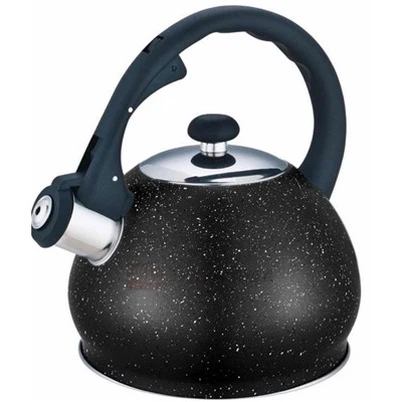
We, as a Europe tea pots supplier, offer a wide range of tea pots that blend traditional and modern elements. Our Black Color and Marble Tea Pots combine the elegance of marble with the sleekness of black stainless steel. The black color represents sophistication and mystery, while the marble adds a touch of natural beauty. These tea pots are not only functional but also make a statement in any tea - drinking setting.
Our New Stainless Steel Eight - square Tea Pots are another example of modern design. The eight - square shape is a departure from the traditional round tea pots, offering a more geometric and contemporary look. Stainless steel is a durable and easy - to - clean material, making these tea pots suitable for both home and commercial use.
The 3.5L Funky Tea Pots are designed for those who want to add a bit of fun and personality to their tea - drinking experience. With their unique shapes and bright colors, these tea pots are sure to stand out. They are perfect for parties or gatherings, where they can become a conversation starter.
The Role of Tea Pots in Cultural Preservation
European tea pots play an important role in cultural preservation. They are tangible links to the past, carrying the traditions and values of different European cultures. By using and appreciating these tea pots, we can keep these cultural traditions alive.
For example, when we use an English bone china tea pot for an afternoon tea, we are not just having a cup of tea. We are participating in a centuries - old tradition that has been passed down from generation to generation. The tea pot becomes a vessel for cultural memory, connecting us to the history and heritage of England.
Similarly, when a Russian family gathers around a samovar, they are keeping alive the Russian tea - drinking culture. The samovar, with its long history and unique design, serves as a reminder of the importance of family, community, and tradition.
Conclusion and Call to Action
In conclusion, European tea pots are more than just containers for brewing tea. They are cultural artifacts with deep historical and symbolic meanings. Whether it's the elegant English tea pot, the functional Russian samovar, or our modern and innovative tea pots, each one tells a story about the culture and values of the people who use them.
As a Europe tea pots supplier, we are committed to providing high - quality tea pots that not only meet the functional needs of our customers but also carry the rich cultural heritage of Europe. If you are interested in exploring our wide range of tea pots or have any questions about our products, we invite you to contact us for procurement and further discussions. We look forward to working with you to bring the beauty and culture of European tea pots into your life.
References
- "The History of Tea in Europe" by John Smith
- "European Tea Culture and Its Symbols" by Anna Brown
- "Traditional and Modern European Tea Pots" by David Wilson