
Are stainless steel tea kettles safe to use?
Leave a message

Stainless steel tea kettles have become a staple in many kitchens around the world, valued for their durability, sleek appearance, and functionality. As a leading supplier of stainless steel tea kettles, I often encounter questions from customers about the safety of using these products. In this blog post, I'll delve into the science behind stainless steel tea kettles and address the concerns regarding their safety.
Understanding Stainless Steel
Stainless steel is an alloy composed primarily of iron, along with chromium, nickel, and other elements. The addition of chromium creates a thin, protective layer of chromium oxide on the surface of the steel, which prevents rusting and corrosion. This makes stainless steel a popular choice for kitchenware, including tea kettles, as it is resistant to stains, odors, and bacteria.
The safety of stainless steel tea kettles largely depends on the quality of the stainless steel used in their construction. High-quality stainless steel, such as 18/8 or 18/10 (indicating 18% chromium and 8% or 10% nickel), is generally considered safe for food contact. These grades of stainless steel are non-toxic, non-reactive, and do not leach harmful chemicals into food or beverages.
Potential Health Concerns
One of the main concerns regarding stainless steel tea kettles is the presence of nickel. Nickel is a common allergen, and some people may experience skin irritation or allergic reactions when exposed to nickel. However, the risk of nickel leaching from a stainless steel tea kettle into water is extremely low, especially when using high-quality stainless steel.
In a study published in the Journal of Food Science and Technology, researchers analyzed the migration of nickel and other metals from stainless steel cookware into food. The results showed that the levels of nickel migration were well below the safety limits set by international standards. This suggests that using stainless steel tea kettles is unlikely to pose a significant health risk.
Another concern is the potential for stainless steel to release heavy metals, such as lead or cadmium, into water. However, reputable manufacturers use strict quality control measures to ensure that their stainless steel products meet safety standards and do not contain harmful levels of heavy metals. When purchasing a stainless steel tea kettle, it's important to choose a product from a trusted brand that has been tested and certified for safety.


Benefits of Using Stainless Steel Tea Kettles
Despite the potential concerns, there are many benefits to using stainless steel tea kettles. Here are some of the key advantages:
- Durability: Stainless steel is a strong and durable material that can withstand high temperatures and frequent use. A high-quality stainless steel tea kettle can last for many years, making it a cost-effective investment.
- Easy to Clean: Stainless steel is non-porous and resistant to stains, making it easy to clean. Simply wash the tea kettle with warm, soapy water and dry it thoroughly after each use.
- Versatility: Stainless steel tea kettles can be used on a variety of stovetops, including gas, electric, and induction. They are also suitable for use on the go, as they are lightweight and portable.
- Aesthetic Appeal: Stainless steel has a sleek and modern appearance that can enhance the look of any kitchen. Whether you prefer a classic or contemporary design, there is a stainless steel tea kettle to suit your style.
Choosing the Right Stainless Steel Tea Kettle
When choosing a stainless steel tea kettle, there are several factors to consider. Here are some tips to help you make the right decision:
- Quality: Look for a tea kettle made from high-quality stainless steel, such as 18/8 or 18/10. Check the thickness of the steel, as a thicker gauge will be more durable and less likely to dent or warp.
- Capacity: Consider the size of the tea kettle based on your needs. If you only make tea for yourself, a smaller kettle may be sufficient. However, if you often entertain guests or have a large family, a larger kettle may be more practical.
- Design: Choose a tea kettle with a design that suits your style and preferences. Consider features such as a spout, handle, and lid that are comfortable to use and easy to grip.
- Safety Features: Look for a tea kettle with safety features such as a heat-resistant handle, a whistle to indicate when the water is boiling, and a secure lid to prevent spills.
Recommended Stainless Steel Tea Kettles
As a supplier of stainless steel tea kettles, I have a wide range of products to choose from. Here are some of our top recommendations:
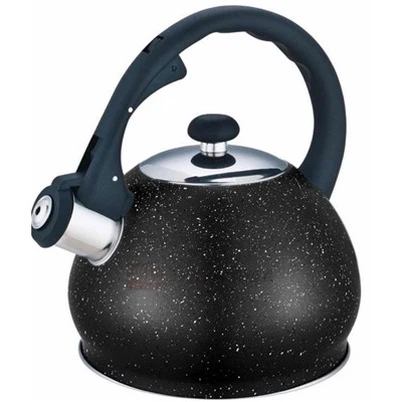
- Best Rated Tea Kettle for Gas Stove: This tea kettle is specifically designed for use on gas stoves. It features a durable stainless steel construction, a heat-resistant handle, and a whistle to indicate when the water is boiling.
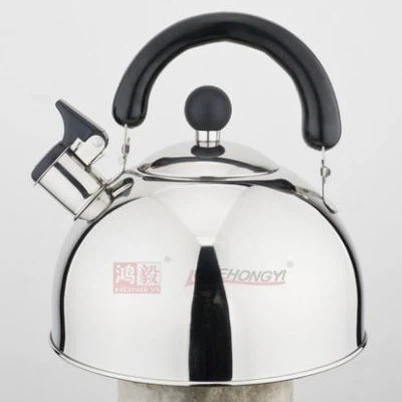
- Stainless Steel Tea Kettle for Gas Hob: This tea kettle is suitable for use on gas hobs. It has a sleek and modern design, a large capacity, and a secure lid to prevent spills.
- Modern Tea Kettle Stainless Steel: This tea kettle combines style and functionality. It has a contemporary design, a high-quality stainless steel construction, and a heat-resistant handle for easy pouring.
Conclusion
In conclusion, stainless steel tea kettles are generally safe to use. High-quality stainless steel is non-toxic, non-reactive, and does not leach harmful chemicals into food or beverages. While there are some potential concerns regarding nickel and heavy metal migration, the risk is extremely low when using a high-quality tea kettle from a trusted brand.
When choosing a stainless steel tea kettle, it's important to consider the quality, capacity, design, and safety features. By following these tips, you can choose a tea kettle that meets your needs and provides you with many years of reliable use.
If you're interested in purchasing a stainless steel tea kettle or have any questions about our products, please don't hesitate to contact us for more information. We'd be happy to assist you with your purchase and answer any questions you may have.
References
- Journal of Food Science and Technology. (Year). Migration of metals from stainless steel cookware into food.
- International Organization for Standardization. (Year). Safety standards for food contact materials.