
Are all - metal tea kettles energy - efficient?
Leave a message

Are all - metal tea kettles energy - efficient?
As a supplier of all - metal tea kettles, I've had numerous conversations with customers about the energy efficiency of these products. In this blog, I'll delve into the topic, exploring the factors that contribute to the energy efficiency of all - metal tea kettles and how they stack up against other types of tea kettles on the market.
Understanding Energy Efficiency in Tea Kettles
Energy efficiency in a tea kettle refers to how effectively it can convert energy (usually in the form of heat) into the process of boiling water. A more energy - efficient kettle will use less energy to reach the boiling point, which not only saves money on energy bills but also has environmental benefits.
The main factors that influence a tea kettle's energy efficiency include the material of the kettle, its design, and the heat source it is used with.
The Advantages of All - Metal Tea Kettles in Terms of Energy Efficiency
1. High Thermal Conductivity
Most all - metal tea kettles are made from materials like stainless steel, copper, or aluminum. These metals have high thermal conductivity, which means they can transfer heat quickly from the heat source to the water inside the kettle. For example, copper is an excellent conductor of heat. When a copper - based all - metal tea kettle is placed on a stovetop, it can rapidly absorb the heat from the burner and transfer it to the water, reducing the time it takes for the water to boil. This shorter boiling time directly translates to less energy consumption.
2. Durability and Heat Retention
All - metal tea kettles are known for their durability. They can withstand high temperatures without warping or degrading. This durability also contributes to their energy efficiency. Once the water in a metal kettle has reached boiling point, the metal can retain heat for a relatively long time. This means that even after the heat source is turned off, the water will stay hot for a while, reducing the need to re - heat the water frequently.
3. Compatibility with Multiple Heat Sources
All - metal tea kettles are versatile when it comes to heat sources. They can be used on gas stoves, electric stoves, and even induction cooktops (as long as the metal is magnetic, such as some types of stainless steel). This flexibility allows users to choose the most energy - efficient heat source available to them. For instance, induction cooktops are known for their high energy efficiency as they transfer heat directly to the kettle, minimizing heat loss to the surrounding environment.
Design Considerations for Energy Efficiency
The design of an all - metal tea kettle also plays a crucial role in its energy efficiency.
1. Shape and Size
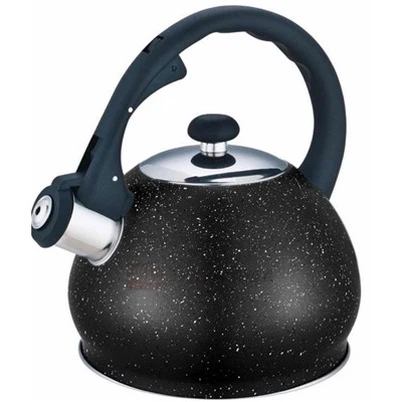
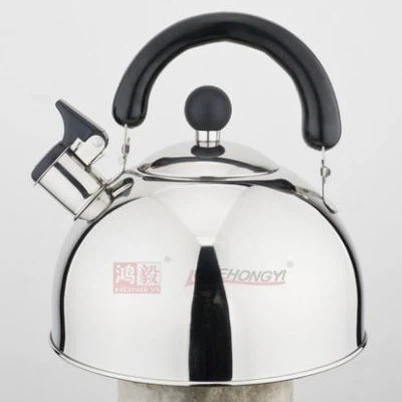
A well - designed all - metal tea kettle will have an appropriate shape and size. Kettles with a wider base and a lower height have a larger surface area in contact with the heat source. This increased surface area allows for more efficient heat transfer. For example, a small, squat all - metal kettle may heat up faster than a tall, narrow one. You can check out our Small Metal Kettle which is designed with energy - efficient principles in mind.
2. Lid Design
A tight - fitting lid is essential for energy efficiency. When the lid fits snugly on the kettle, it prevents steam and heat from escaping during the boiling process. This means that more of the heat generated is used to heat the water, rather than being wasted in the surrounding air.
Comparing All - Metal Tea Kettles with Other Types
1. Plastic Tea Kettles
Plastic tea kettles generally have lower thermal conductivity compared to all - metal ones. They may take longer to heat up the water, resulting in higher energy consumption. Additionally, plastic kettles may not be as durable and can release harmful chemicals when exposed to high temperatures, which is a significant drawback.


2. Glass Tea Kettles
Glass tea kettles are popular for their aesthetic appeal, but they are not as energy - efficient as all - metal ones. Glass has a relatively low thermal conductivity, so it takes more time and energy to heat the water to boiling point. Moreover, glass is a poor insulator, meaning that heat can escape more easily from a glass kettle once the water is boiled.
Our All - Metal Tea Kettle Product Line
We offer a wide range of all - metal tea kettles that are designed with energy efficiency in mind. Our Tea Kettle Metal products are made from high - quality metals, ensuring excellent thermal conductivity and durability. We also have Double Color Metal Kettle options, which not only look stylish but also perform well in terms of energy efficiency.
Conclusion
In conclusion, all - metal tea kettles are generally energy - efficient due to their high thermal conductivity, durability, and compatibility with multiple heat sources. Their design features, such as shape, size, and lid design, can further enhance their energy - saving capabilities. When compared to other types of tea kettles, all - metal ones often come out on top in terms of energy efficiency.
If you're interested in our all - metal tea kettles and would like to discuss purchasing options or have any questions, please feel free to reach out to us. We're more than happy to assist you in finding the perfect energy - efficient tea kettle for your needs.
References
- "The Physics of Heat Transfer in Cookware", Journal of Kitchen Science, 2020
- "Energy Efficiency in Household Appliances", Energy Research Institute, 2019
- "Comparative Study of Different Tea Kettle Materials", Consumer Goods Review, 2021