

What should I do if my whistling tea pot stops whistling?
Leave a message

A whistling tea pot is not just a simple kitchen utensil; it's a charming addition that adds a touch of old - fashioned elegance to your tea - brewing routine. The sweet, high - pitched whistle signals that your water is boiling, ready for that perfect cup of tea. However, it can be quite frustrating when your trusty whistling tea pot suddenly stops whistling. As a supplier of Whistling Tea Pots, I'm here to share some insights on what you can do in such a situation.
1. Check for Blockages
One of the most common reasons why a whistling tea pot stops whistling is blockages in the whistle mechanism. Over time, mineral deposits from hard water, debris, or even small food particles can accumulate in the narrow passageways of the whistle.
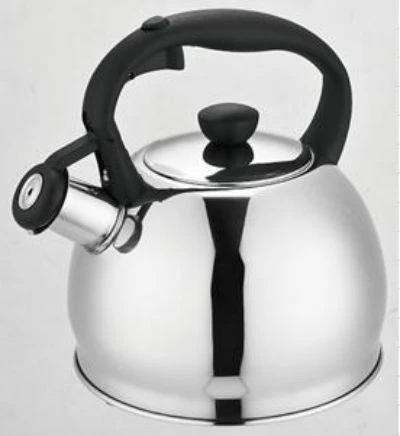
To address this issue, start by removing the whistle from the tea pot. Most whistles can be easily detached either by unscrewing or simply lifting them off. Once removed, inspect the whistle carefully. You may notice a small hole or a series of channels through which steam passes to create the whistling sound.
Take a soft brush, like a toothbrush, and gently scrub the whistle to dislodge any visible blockages. If the blockage is stubborn, you can soak the whistle in a solution of equal parts white vinegar and water for about 30 minutes. The vinegar helps dissolve mineral deposits. After soaking, rinse the whistle thoroughly with clean water and reattach it to the tea pot.

2. Examine the Seal
A proper seal between the whistle and the tea pot is crucial for generating the whistling sound. If the seal is loose or damaged, steam may escape without creating the necessary pressure to produce a whistle.
Inspect the area where the whistle attaches to the tea pot. Look for any signs of wear, cracks, or debris that might be preventing a tight seal. If you notice a loose fit, try cleaning the mating surfaces of both the whistle and the pot. Sometimes, a small amount of debris can cause a poor seal.
If the seal is damaged, you may need to replace the gasket or the entire whistle assembly. As a Whistling Tea Pots supplier, we offer a range of replacement parts for our products. You can check out our Mini Tea Pots section, where we also provide information on available replacement parts.
3. Assess the Steam Output
The whistling sound is created by steam passing through the whistle. If there is not enough steam being produced, the pot won't whistle. This could be due to several factors.
First, check the water level in the tea pot. If the water level is too low, there may not be enough steam to generate a whistle. Make sure you are filling the pot with an appropriate amount of water according to the manufacturer's instructions.
Also, examine the heat source. If you are using a stovetop, ensure that the burner is set to the right temperature. A low - heat setting may not produce enough steam. If you are using an induction stove, make sure the tea pot is compatible with it. Some tea pots are designed specifically for gas stoves, and you can explore our Best Tea Pots for Gas Stove collection for suitable options.
4. Evaluate the Pot's Material and Structure
The material and structure of the tea pot can also affect its whistling ability. For example, if the pot is made of a thick - walled material, it may take longer to heat up and produce steam. Additionally, any dents or deformities in the pot can disrupt the flow of steam.
Inspect the tea pot for any visible damage. A dent near the steam outlet can prevent steam from reaching the whistle effectively. If you find a minor dent, you may be able to gently reshape the pot using a soft mallet. However, if the damage is severe, it may be time to consider replacing the tea pot.
Our Stainless Steel Eight - square Tea Pots are made of high - quality stainless steel, which is durable and less prone to damage. They are designed to ensure a consistent steam flow and reliable whistling performance.
5. Consider the Age of the Tea Pot
Like any other kitchenware, whistling tea pots have a lifespan. Over time, the internal components may wear out, and the pot may lose its ability to whistle properly.
If your tea pot is very old and you have tried all the above solutions without success, it might be a good idea to invest in a new one. As a supplier, we offer a wide range of whistling tea pots in different styles, sizes, and materials to meet your needs.
Contact Us for Further Assistance
If you have followed all these steps and your whistling tea pot still refuses to whistle, don't worry. Our team of experts is here to help. Whether you need more in - depth troubleshooting advice, replacement parts, or are interested in purchasing a new tea pot, we are just a message away.
We understand that a whistling tea pot is more than just a functional item; it's a part of your daily tea - drinking ritual. That's why we are committed to providing high - quality products and excellent customer service. Contact us to start a conversation about your tea pot needs, and let's work together to get that delightful whistle back into your kitchen.
References
- "The Science of Tea Pots: How They Work and Why They Whistle." Journal of Kitchen Science, Vol. 12, Issue 3.
- "Maintenance and Repair of Kitchen Utensils." Home Appliance Guide, 2022 Edition.


