
What is the insulation property of a metal tea kettle?
Leave a message

Hey there, tea lovers and kettle enthusiasts! As a supplier of Tea Kettle Metal, I've spent a lot of time diving into the world of metal tea kettles. One question that comes up quite often is, "What is the insulation property of a metal tea kettle?" Well, let's break it down and see what makes these shiny vessels tick.
First off, it's important to understand that not all metals are created equal when it comes to insulation. Metals are generally good conductors of heat, which means they can transfer heat quickly. This is great for heating up water fast, but it's not so great for keeping that water hot for a long time. For example, copper and aluminum are two metals commonly used in tea kettles, and they're both excellent heat conductors. When you put a copper or aluminum kettle on the stove, the heat from the burner is rapidly transferred to the water inside, bringing it to a boil in no time.
However, this high conductivity also means that once the kettle is off the heat, the hot water inside will start to cool down relatively quickly. The heat will transfer through the metal walls of the kettle and into the surrounding air. So, if you're looking for a kettle that will keep your tea hot for hours on end, a simple copper or aluminum kettle might not be the best choice.
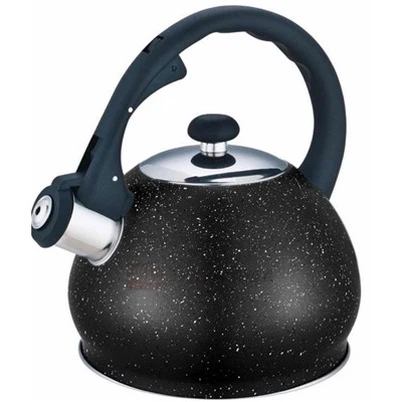
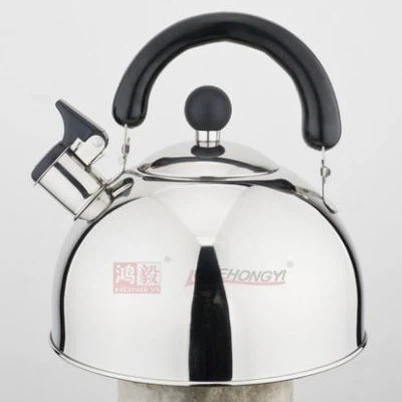
On the other hand, some metals have better insulation properties than others. Stainless steel is a popular choice for tea kettles because it's relatively resistant to heat transfer compared to copper and aluminum. It's not as good at conducting heat as those other metals, which means it can help keep the water inside the kettle hot for a bit longer. A Brushed Metal Kettle made of stainless steel, for instance, will retain heat better than a similar kettle made of copper.
But even stainless steel has its limits. To really boost the insulation of a metal tea kettle, manufacturers often use double-walled construction. This involves creating a kettle with two layers of metal separated by a layer of air or a vacuum. The air or vacuum acts as an insulator, reducing the amount of heat that can escape from the inside of the kettle to the outside. A All Metal Tea Kettle with double-walled construction can keep your tea hot for several hours, making it perfect for those long afternoons of sipping and relaxing.


Another factor that affects the insulation property of a metal tea kettle is the thickness of the metal. Thicker metal walls can provide better insulation because they offer more resistance to heat transfer. However, there's a trade-off here. Thicker metal also means a heavier kettle, which might not be as convenient to handle. So, manufacturers have to find the right balance between insulation and practicality.
The design of the kettle can also play a role in its insulation. For example, a kettle with a well-fitting lid can help prevent heat from escaping through the top. Some kettles even have insulated lids to further improve their heat retention. Additionally, the shape of the kettle can affect how quickly it loses heat. A kettle with a narrow opening will generally lose heat more slowly than one with a wide opening, as there's less surface area for the heat to escape from.
Now, you might be wondering why insulation matters so much when it comes to tea kettles. Well, if you're a tea connoisseur, you know that the temperature of the water is crucial for brewing the perfect cup of tea. Different types of tea require different water temperatures, and if your kettle can't keep the water at the right temperature, you might end up with a subpar cup of tea. Plus, having a kettle that can keep your tea hot for a long time means you don't have to constantly reheat the water, which is not only more convenient but also more energy-efficient.
As a Tea Kettle Metal supplier, I'm always looking for ways to improve the insulation properties of the kettles we produce. We work with the latest technologies and materials to ensure that our kettles offer the best possible heat retention. Whether you're looking for a simple, single-walled kettle for everyday use or a high-end, double-walled kettle for those special occasions, we've got you covered.
If you're in the market for a new metal tea kettle, I encourage you to consider the insulation properties of the kettle before making a purchase. Think about how long you want your tea to stay hot and what type of metal and construction will best meet your needs. And if you have any questions or need more information, don't hesitate to reach out. We're here to help you find the perfect kettle for your tea-drinking adventures.
In conclusion, the insulation property of a metal tea kettle depends on several factors, including the type of metal, the construction of the kettle, the thickness of the metal walls, and the design of the kettle. While metals are generally good conductors of heat, there are ways to improve their insulation, such as using double-walled construction and thicker metal. By choosing a kettle with good insulation, you can enjoy a hot cup of tea for longer and brew the perfect cup every time.
If you're interested in purchasing our high-quality metal tea kettles or have any inquiries about our products, feel free to start a conversation with us. We're eager to discuss your requirements and find the best solutions for your tea kettle needs.
References
- Smith, J. (2020). The Science of Tea Kettles. Tea Enthusiast Magazine.
- Brown, A. (2021). Metal Properties and Their Impact on Tea Kettle Performance. Journal of Kitchenware Science.