
What is the impact of modern technology on Europe tea pot production?
Leave a message

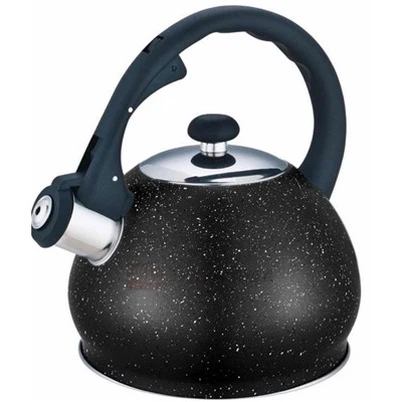
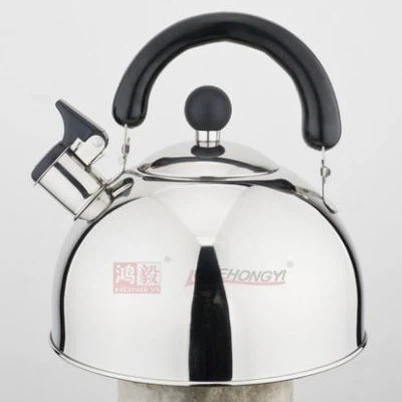
As a supplier of Europe Tea Pots, I've witnessed firsthand the profound impact of modern technology on the production of these iconic vessels. Europe has a rich history of tea pot craftsmanship, with each region boasting its unique styles and techniques. However, in recent decades, the advent of new technologies has brought about significant changes in the way tea pots are designed, manufactured, and distributed.
Design and Innovation
One of the most noticeable impacts of modern technology on Europe tea pot production is in the realm of design. Computer-aided design (CAD) software has revolutionized the way designers conceptualize and develop new tea pot models. With CAD, designers can create detailed 3D models of tea pots, allowing them to visualize every aspect of the design before it goes into production. This not only speeds up the design process but also enables designers to experiment with different shapes, sizes, and materials, leading to more innovative and functional tea pot designs.
For example, CAD software allows designers to optimize the shape of the tea pot to improve its pouring performance. By analyzing the flow of liquid through the spout, designers can make adjustments to ensure a smooth and even pour, reducing the risk of spills and drips. Additionally, CAD can be used to design tea pots with ergonomic handles, making them more comfortable to hold and use.
Another area where modern technology has had a significant impact on tea pot design is in the use of advanced materials. In the past, tea pots were primarily made from traditional materials such as ceramic, porcelain, and metal. However, with the development of new materials such as stainless steel, glass, and plastic, designers now have a wider range of options to choose from. These materials offer several advantages over traditional materials, including durability, heat resistance, and ease of cleaning.
For instance, stainless steel tea pots are highly durable and resistant to corrosion, making them ideal for everyday use. They also retain heat well, keeping the tea hot for longer periods. Glass tea pots, on the other hand, are transparent, allowing users to see the tea brewing process and appreciate the color and clarity of the tea. They are also easy to clean and do not absorb flavors or odors.
Manufacturing Processes
In addition to design, modern technology has also transformed the manufacturing processes used in Europe tea pot production. Traditional manufacturing methods, such as hand throwing and hand painting, are still used in some cases, but they are becoming increasingly rare. Instead, many tea pot manufacturers are turning to automated manufacturing processes to increase efficiency and reduce costs.
One of the most significant advancements in tea pot manufacturing is the use of computer numerical control (CNC) machining. CNC machines use computer programs to control the movement of cutting tools, allowing for precise and accurate machining of tea pot components. This technology has several advantages over traditional machining methods, including faster production times, higher precision, and the ability to produce complex shapes and designs.
For example, CNC machining can be used to create intricate patterns and designs on the surface of tea pots, adding a decorative element to the finished product. It can also be used to machine tea pot components with tight tolerances, ensuring a perfect fit and finish.
Another area where modern technology has had a significant impact on tea pot manufacturing is in the use of 3D printing. 3D printing, also known as additive manufacturing, is a process of creating three-dimensional objects by layering materials on top of each other. This technology has several advantages over traditional manufacturing methods, including the ability to produce complex shapes and designs with minimal waste.
For instance, 3D printing can be used to create prototypes of tea pots quickly and easily, allowing designers to test and refine their designs before going into production. It can also be used to produce small batches of customized tea pots, catering to the specific needs and preferences of individual customers.
Quality Control
Quality control is an essential aspect of tea pot production, ensuring that the finished products meet the highest standards of quality and performance. In the past, quality control was primarily done through manual inspection, which was time-consuming and prone to human error. However, with the development of modern technology, tea pot manufacturers now have access to a range of advanced quality control tools and techniques.
One of the most significant advancements in quality control is the use of automated inspection systems. These systems use cameras, sensors, and software to inspect tea pots for defects and inconsistencies, such as cracks, chips, and uneven surfaces. They can also measure the dimensions and tolerances of tea pot components, ensuring that they meet the specified requirements.
For example, automated inspection systems can be used to detect small cracks and defects in ceramic tea pots that may not be visible to the naked eye. They can also be used to measure the thickness of the walls of a tea pot, ensuring that it is within the acceptable range.
Another area where modern technology has had a significant impact on quality control is in the use of data analytics. By collecting and analyzing data from the manufacturing process, tea pot manufacturers can identify trends and patterns that may indicate potential quality issues. This allows them to take proactive measures to prevent problems from occurring, improving the overall quality and reliability of their products.
For instance, data analytics can be used to monitor the performance of CNC machines and other manufacturing equipment, detecting any signs of wear or malfunction. By replacing worn parts and performing regular maintenance, manufacturers can ensure that their equipment is operating at peak efficiency, reducing the risk of quality issues.
Distribution and Marketing
In addition to design, manufacturing, and quality control, modern technology has also had a significant impact on the distribution and marketing of Europe tea pots. The rise of e-commerce has made it easier for tea pot manufacturers to reach a global audience, allowing them to sell their products directly to consumers without the need for intermediaries.
Online marketplaces such as Amazon, eBay, and Alibaba have made it possible for tea pot manufacturers to list their products for sale to millions of potential customers around the world. These platforms offer several advantages over traditional retail channels, including lower costs, wider reach, and the ability to target specific customer segments.
For example, by using targeted advertising on online marketplaces, tea pot manufacturers can reach customers who are interested in their products based on their search history, demographics, and interests. This allows them to increase their sales and brand awareness, without having to spend a lot of money on traditional marketing channels.
Another area where modern technology has had a significant impact on the distribution and marketing of tea pots is in the use of social media. Social media platforms such as Facebook, Instagram, and Twitter have become powerful marketing tools for tea pot manufacturers, allowing them to connect with their customers directly and build a community of loyal fans.


For instance, by sharing high-quality photos and videos of their tea pots on social media, manufacturers can showcase their products and generate interest and excitement among potential customers. They can also use social media to engage with their customers, answering questions, providing customer support, and soliciting feedback.
Conclusion
In conclusion, modern technology has had a profound impact on Europe tea pot production, from design and manufacturing to quality control, distribution, and marketing. The use of advanced technologies such as CAD, CNC machining, 3D printing, automated inspection systems, and data analytics has enabled tea pot manufacturers to improve the quality and performance of their products, increase efficiency and reduce costs, and reach a global audience.
As a supplier of Europe Tea Pots, I'm excited about the future of tea pot production and the opportunities that modern technology presents. I believe that by continuing to invest in research and development, and by embracing new technologies and manufacturing processes, we can create even more innovative and high-quality tea pots that will delight tea lovers around the world.
If you're interested in learning more about our Europe Tea Pots, or if you're looking for a reliable supplier of tea pots for your business, please don't hesitate to contact us. We'd be happy to discuss your specific needs and requirements and provide you with a quote.
References
- "The Impact of Technology on the Manufacturing Industry." Manufacturing.net.
- "How 3D Printing is Revolutionizing the Tea Pot Industry." 3D Printing Industry.
- "The Future of Tea Pot Design: Trends and Innovations." Tea Magazine.