
What is the corrosion resistance of a stainless steel tea kettle?
Leave a message

Hey there! As a supplier of stainless steel tea kettles, I often get asked about the corrosion resistance of these nifty kitchen gadgets. So, I thought I'd dive deep into this topic and share some insights with you.
First off, let's talk about what stainless steel is. Stainless steel is an alloy, which means it's made up of different metals. The main ingredients are iron, chromium, and usually some nickel. The chromium is what gives stainless steel its corrosion - resistant properties. When chromium is exposed to oxygen in the air, it forms a thin, invisible layer of chromium oxide on the surface of the steel. This layer acts as a shield, preventing further oxidation and corrosion.
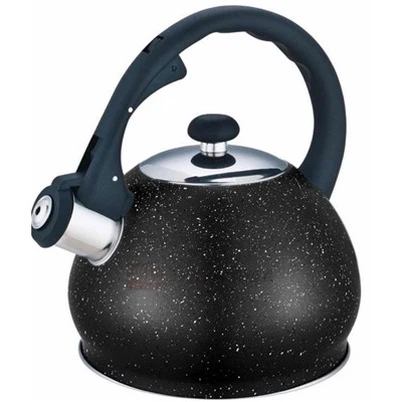
Now, when it comes to a stainless steel tea kettle, this corrosion resistance is super important. You see, a tea kettle is constantly in contact with water. And if the water contains certain minerals or chemicals, it can potentially cause corrosion over time. But thanks to the chromium oxide layer, our Heavy Duty Stainless Steel Tea Kettle can withstand the test of time and water.
One of the great things about stainless steel is its ability to resist rust. Rust is basically iron oxide, and it forms when iron is exposed to water and oxygen. But in stainless steel, the chromium oxide layer stops the iron from reacting with water and oxygen. So, you don't have to worry about your tea kettle developing unsightly rust spots. This is especially important if you're using hard water, which has a high mineral content. Hard water can be tough on regular metals, but stainless steel can handle it like a champ.
Another aspect of corrosion resistance is how well the tea kettle can handle different types of cleaning agents. You might use dish soap, vinegar, or other cleaners to keep your tea kettle clean. Stainless steel is pretty resistant to most common household cleaning products. However, you should avoid using abrasive cleaners or steel wool, as they can scratch the surface of the kettle. Once the surface is scratched, the protective chromium oxide layer can be damaged, and that can lead to corrosion.
Let's take a closer look at the different types of stainless steel used in our tea kettles. We often use 18/8 stainless steel, which means it contains 18% chromium and 8% nickel. This type of stainless steel is known for its excellent corrosion resistance and durability. It's also food - grade, which means it's safe to use for making tea and other hot beverages.
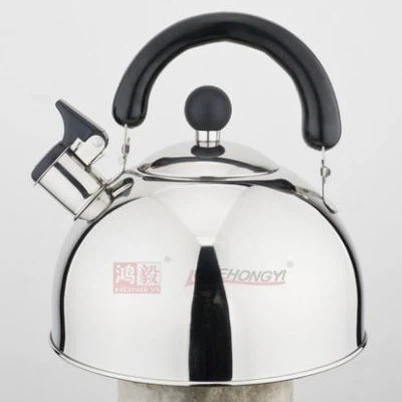
Our Modern Tea Kettle Stainless Steel is made with high - quality 18/8 stainless steel. This gives it a sleek and modern look, while also ensuring that it can last for years. The smooth surface of the 18/8 stainless steel is not only easy to clean but also helps to maintain the corrosion resistance.
But what about the Antique Stainless Steel Tea Kettle? Well, even though it has an antique - style design, it's still made with corrosion - resistant stainless steel. The antique finish is just for aesthetics, and the underlying stainless steel provides the same level of protection against corrosion.
Now, there are some factors that can affect the corrosion resistance of a stainless steel tea kettle. One of them is the environment in which it's used. If you live in a coastal area, where the air is salty, the salt can be more corrosive. Salt can break down the chromium oxide layer more quickly, so you might need to take extra care of your tea kettle. Wiping it dry after each use and cleaning it regularly can help to prevent any potential corrosion.
Another factor is the quality of the water. As I mentioned earlier, hard water can be a bit more challenging for the tea kettle. But you can use a water softener or filter to reduce the mineral content in the water. This can help to extend the lifespan of your tea kettle and keep it looking great.
In addition to the chromium and nickel content, the manufacturing process also plays a role in the corrosion resistance. We use advanced manufacturing techniques to ensure that our tea kettles have a uniform and thick chromium oxide layer. This helps to provide consistent corrosion resistance throughout the entire kettle.


So, why should you choose a stainless steel tea kettle for its corrosion resistance? Well, first of all, it means that your tea kettle will last longer. You won't have to replace it as often, which can save you money in the long run. Second, it ensures that your tea will always taste great. If the kettle starts to corrode, it can affect the taste of the water and the tea. And finally, a corrosion - resistant tea kettle looks better. It will maintain its shiny and clean appearance, adding a touch of elegance to your kitchen.
If you're in the market for a new tea kettle, I highly recommend checking out our range of stainless steel tea kettles. Whether you're looking for a heavy - duty option, a modern design, or an antique - style kettle, we've got you covered. And with their excellent corrosion resistance, you can be sure that you're making a smart investment.
If you're interested in purchasing our stainless steel tea kettles or have any questions about their corrosion resistance, feel free to reach out. We're always happy to have a chat and help you find the perfect tea kettle for your needs. Let's start a conversation about how our products can enhance your tea - making experience.
References:
- "Stainless Steel: Properties and Applications" - A general guide on the properties of stainless steel.
- "Corrosion Resistance in Kitchenware" - Research on how different metals in kitchen items resist corrosion.