
How to choose a small metal kettle?
Leave a message

When it comes to selecting a small metal kettle, there are numerous factors to take into account. As a supplier of small metal kettles, I've had the privilege of witnessing firsthand the diverse needs and preferences of consumers. In this blog post, I'll share some insights on how to choose the perfect small metal kettle for your requirements.
1. Material Quality
The material of the kettle is of utmost importance. Different metals offer various advantages and disadvantages.
Stainless Steel
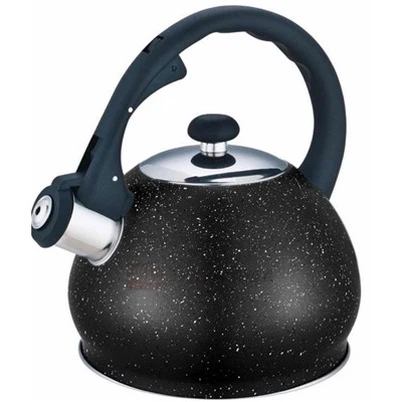
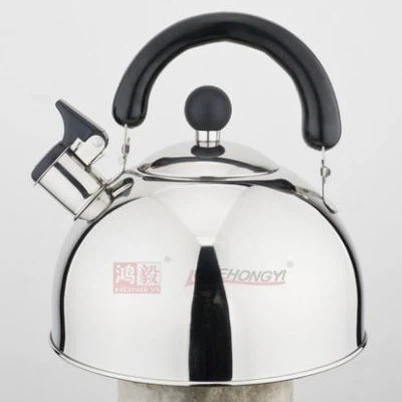
Stainless steel is one of the most popular choices for small metal kettles. It is durable, resistant to rust and corrosion, and easy to clean. Stainless steel kettles can withstand high temperatures without warping or deforming. They are also relatively lightweight, making them easy to handle. For example, our All Metal Tea Kettle is crafted from high - quality stainless steel, ensuring long - lasting performance.
Copper
Copper kettles are known for their excellent heat conductivity. They can heat water quickly and evenly, which is ideal for those who want to make a cup of tea or coffee in a short time. However, copper requires more maintenance as it can oxidize over time, developing a patina. Some people actually like the look of the patina, but if you prefer a shiny finish, you'll need to polish the kettle regularly.


Aluminum
Aluminum kettles are lightweight and affordable. They heat up relatively fast, but they may not be as durable as stainless steel or copper. Aluminum can react with acidic substances in water, so it's important to use them with clean water and avoid leaving acidic beverages in the kettle for extended periods.
2. Capacity
The capacity of the kettle depends on your usage. If you're only making a single cup of tea or coffee for yourself, a small kettle with a capacity of around 0.5 - 1 liter might be sufficient. This size is also great for small kitchens or dorm rooms where space is limited.
On the other hand, if you often entertain guests or have a large family, you may want to consider a kettle with a capacity of 1.5 - 2 liters. This way, you can make multiple cups of hot beverages at once without having to refill the kettle constantly.
3. Design and Features
Spout Design
A well - designed spout is crucial for a small metal kettle. It should pour smoothly without dripping. A gooseneck spout is a popular choice, especially for tea enthusiasts. It allows for precise pouring, which is essential when making delicate teas. The spout should also be wide enough to prevent clogging but narrow enough to control the flow of water.
Handle Design
The handle should be comfortable to hold and heat - resistant. A long, ergonomic handle makes it easier to lift and pour the kettle without burning your hand. Some handles are made of materials like wood or heat - resistant plastic, which provide a good grip and insulation.
Lid Design
A tight - fitting lid is important to prevent steam from escaping and to keep the heat inside the kettle. Some lids have a small opening that allows steam to escape in a controlled manner, which can be useful for safety reasons. Additionally, a removable lid makes it easier to clean the inside of the kettle.
Filter
If you're a tea lover, a kettle with a built - in filter can be a great addition. Our Kettle with Metal Filter is designed to strain loose - leaf tea, ensuring a smooth and flavorful cup of tea. The metal filter is durable and easy to clean.
4. Safety Features
Automatic Shut - off
An automatic shut - off feature is a must - have for any modern kettle. It turns off the kettle when the water reaches boiling point, preventing the kettle from overheating and potentially causing a fire. This feature is especially important if you tend to get distracted while the water is boiling.
Boil - dry Protection
Boil - dry protection is another important safety feature. It shuts off the kettle if there is no water inside, protecting the heating element from damage. This can happen if you accidentally turn on the kettle without filling it or if the water boils dry before you notice.
5. Noise Level
Some kettles can be quite noisy when boiling water. If you're sensitive to noise or if you have a quiet environment, such as a bedroom or an office, you may want to choose a kettle that operates quietly. Look for kettles with features like insulated walls or advanced heating technology that can reduce noise levels.
6. Brand and Price
The brand of the kettle can also influence your decision. Well - known brands often have a reputation for quality and reliability. They may offer better customer service and warranties. However, this doesn't mean that you have to pay a premium price. There are many affordable small metal kettles on the market that offer good quality.
When it comes to price, set a budget based on your needs and preferences. You can find basic small metal kettles at a relatively low price, while kettles with more advanced features and higher - quality materials will cost more. Consider the long - term value of the kettle rather than just the initial price.
7. Compatibility with Your Kitchen
Finally, consider how the kettle will fit into your kitchen decor. There are various styles and colors available, from classic and traditional to modern and sleek. Choose a kettle that complements the overall look of your kitchen.
In conclusion, choosing a small metal kettle requires careful consideration of material quality, capacity, design, features, safety, noise level, brand, price, and compatibility with your kitchen. As a supplier of small metal kettles, I'm here to help you find the perfect kettle for your needs. If you're interested in purchasing a small metal kettle, I encourage you to reach out to me for more information and to discuss your specific requirements. We offer a wide range of Tea Kettle Metal products that are designed to meet the highest standards of quality and performance. Whether you're a tea connoisseur or just looking for a reliable kettle for your daily use, we have the right option for you. Contact us today to start the procurement negotiation process.
References
- "The Complete Guide to Kettles" by Home Appliance Experts
- "Materials and Design in Kettle Manufacturing" by Industrial Design Journal
- "Safety Features in Modern Kettles" by Consumer Safety Magazine