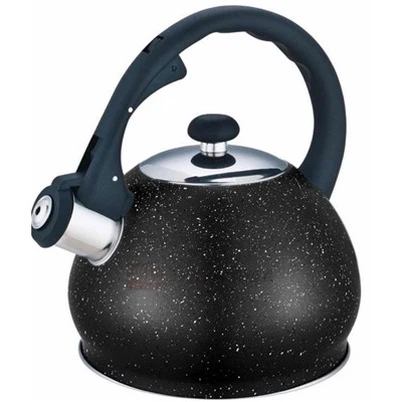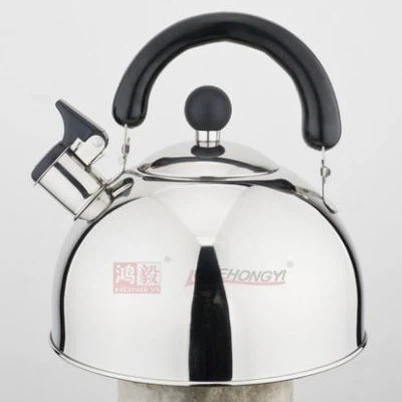

How to check if a small metal kettle is of good quality?
Leave a message

As a supplier of small metal kettles, I understand the importance of ensuring that the products we offer are of high quality. In this blog post, I will share some practical tips on how to check if a small metal kettle is of good quality.
1. Material Inspection
The first step in evaluating a small metal kettle is to examine its material. High - quality kettles are typically made from durable metals such as stainless steel, copper, or aluminum.
Stainless Steel
Stainless steel is a popular choice for small metal kettles due to its corrosion resistance, durability, and ease of cleaning. When checking a stainless - steel kettle, look for a high - grade stainless steel, usually denoted by numbers like 304 or 316. These grades are food - safe and less likely to rust or leach harmful substances into the water. You can also check the thickness of the stainless - steel walls. A thicker wall generally means better heat retention and durability. For example, a kettle with a wall thickness of at least 1.5mm is considered good quality.
Copper
Copper kettles are known for their excellent heat conductivity, which allows for quick and even heating. However, pure copper can react with certain substances in water and food, so many copper kettles are lined with a non - reactive metal such as stainless steel or tin. When inspecting a copper kettle, check the lining. A well - made Metal Lined Kettle should have a smooth and uniform lining without any signs of peeling or cracking.
Aluminum
Aluminum is lightweight and has good heat conductivity. But it can be prone to corrosion, especially when in contact with acidic substances. High - quality aluminum kettles are often anodized, which creates a protective layer on the surface. Look for an anodized finish that is smooth and free of scratches or pits.
2. Construction and Design
The construction and design of a small metal kettle play a crucial role in its functionality and durability.
Seams and Joints
Inspect the seams and joints of the kettle. They should be well - welded or soldered. A poorly joined seam can lead to leaks over time. Run your finger along the seams to feel for any rough edges or gaps. In a good - quality kettle, the seams should be smooth and seamless to the touch.
Handle and Spout
The handle of the kettle should be securely attached. It should be comfortable to hold and not get too hot when the kettle is in use. A good handle is often made of heat - resistant material such as plastic or wood. Similarly, the spout should be designed to pour smoothly without dripping. A well - designed spout will have a well - defined lip that directs the flow of water accurately.
Lid
The lid of the kettle should fit snugly. It should open and close easily, and there should be a good seal to prevent steam from escaping. A loose - fitting lid can lead to energy loss and may also be a safety hazard.
3. Heat Resistance and Performance
The ability of the kettle to handle heat is a key factor in determining its quality.
Heat Distribution
A good small metal kettle should distribute heat evenly. You can test this by filling the kettle with water and heating it on a stovetop. Observe how quickly the water starts to heat up and if there are any hot spots. A kettle with good heat distribution will heat the water uniformly, which not only saves energy but also ensures that the water boils evenly.
Boiling Time
The boiling time of the kettle is also an important performance indicator. A high - quality kettle should be able to boil water relatively quickly. However, the boiling time can be affected by factors such as the power source, the amount of water, and the size of the kettle. In general, a small metal kettle should be able to boil a reasonable amount of water (e.g., 1 - 2 liters) within a few minutes.
Heat Retention
After boiling the water, check how well the kettle retains heat. A good kettle should keep the water hot for a reasonable period. You can measure the temperature of the water at regular intervals to see how quickly it cools down.


4. Safety Features
Safety is of utmost importance when it comes to small metal kettles.
Automatic Shut - off
Many modern small metal kettles are equipped with an automatic shut - off feature. This feature turns off the kettle when the water has boiled, preventing the kettle from overheating and potentially causing a fire. Test the automatic shut - off feature by filling the kettle with water and turning it on. Once the water boils, the kettle should turn off automatically within a few seconds.
Steam Vent
A steam vent is designed to release steam safely and prevent the build - up of pressure inside the kettle. Check that the steam vent is clear and unobstructed. It should be designed in such a way that steam is directed away from the user.
5. Brand Reputation and Reviews
Research the brand of the small metal kettle. A well - established brand with a good reputation is more likely to produce high - quality products. Look for customer reviews online. Reviews can provide valuable insights into the performance, durability, and overall quality of the kettle. You can also check if the brand offers a warranty. A longer warranty period often indicates the manufacturer's confidence in the quality of their product.
6. Certification and Standards
Check if the small metal kettle meets relevant safety and quality standards. For example, in the United States, kettles should comply with the standards set by the Consumer Product Safety Commission (CPSC). In Europe, they should meet the requirements of the European Union's safety regulations. Certifications such as NSF (National Sanitation Foundation) or UL (Underwriters Laboratories) can also be a sign of a high - quality product.
Conclusion
Checking the quality of a small metal kettle involves a comprehensive evaluation of its material, construction, performance, safety features, brand reputation, and compliance with standards. By following these tips, you can ensure that you are purchasing a high - quality kettle that will serve you well for years to come.
If you are in the market for small metal kettles, whether it's a Tea Kettle Metal or an All Metal Tea Kettle, I invite you to contact us for more information. We are committed to providing our customers with the highest - quality small metal kettles at competitive prices. Feel free to reach out to us to start a procurement discussion.
References
- Consumer Reports. (2023). Guide to Buying Kettles.
- American Society for Testing and Materials (ASTM). Standards for Metal Products.
- International Organization for Standardization (ISO). Quality Management Systems for Manufacturing.