
How does a brushed metal kettle compare to a stainless - steel kettle?
Leave a message

When it comes to selecting a kettle for your kitchen, two popular options often stand out: brushed metal kettles and stainless - steel kettles. As a supplier of Brushed Metal Kettle, I have in - depth knowledge about these products and am eager to share a detailed comparison to help you make an informed decision.
Appearance
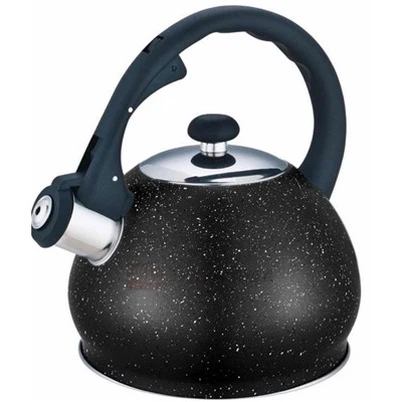
One of the most noticeable differences between a brushed metal kettle and a stainless - steel kettle lies in their appearance. A brushed metal kettle has a distinct texture created by brushing the metal surface. This brushing process gives it a matte finish with fine, parallel lines that add a touch of elegance and sophistication. It can fit well in both modern and rustic kitchen decors. The brushed finish also has the advantage of hiding fingerprints and scratches better than a regular stainless - steel surface.
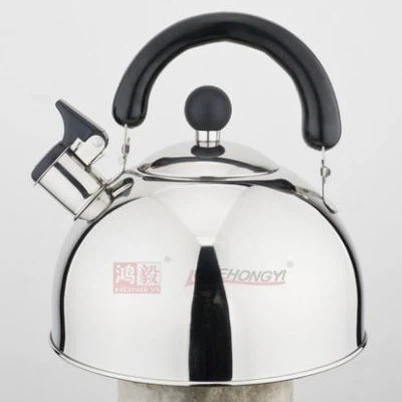
On the other hand, a stainless - steel kettle typically has a smooth, shiny surface. It offers a sleek and contemporary look that is highly appealing in modern kitchen setups. However, the shiny finish can be a double - edged sword. While it looks great when clean, it shows fingerprints and water spots quite easily, which may require more frequent cleaning to maintain its pristine appearance.
Durability
In terms of durability, both brushed metal and stainless - steel kettles are made from high - quality materials that are built to last. Stainless - steel kettles are known for their corrosion - resistant properties. The chromium in stainless steel forms a passive layer on the surface, protecting it from rust and other forms of corrosion. This makes stainless - steel kettles suitable for long - term use, even in areas with hard water.
Brushed metal kettles, too, are highly durable. The brushing process not only enhances the aesthetic appeal but also adds a degree of protection to the metal. The surface treatment can make the kettle more resistant to minor scratches and abrasions. However, it is important to note that the durability of a brushed metal kettle can vary depending on the quality of the base metal and the brushing technique used. High - quality brushed metal kettles from reliable suppliers are often just as durable as their stainless - steel counterparts.
Heat Conductivity
Heat conductivity is a crucial factor when it comes to kettles. A kettle that can heat water quickly and efficiently is more practical for daily use. Stainless - steel has relatively good heat conductivity. It can transfer heat from the heating element to the water at a reasonable rate, allowing you to boil water in a relatively short time. However, pure stainless - steel may not be the most efficient conductor compared to some other metals.
Brushed metal kettles, depending on the specific metal used, can offer different levels of heat conductivity. For example, if the brushed metal is an alloy with good thermal properties, it may heat water faster than a standard stainless - steel kettle. Some brushed metal kettles are designed with a multi - layer construction, where the inner layer is a highly conductive metal and the outer layer is brushed for aesthetic purposes. This combination can result in excellent heat transfer and efficient water boiling.
Comfort of Use
Comfort of use is another aspect to consider. Stainless - steel kettles often come with ergonomic handles that are designed to stay cool during the boiling process. This is an important feature as it prevents burns when you lift the kettle to pour water. The spouts of stainless - steel kettles are usually well - designed to ensure a smooth and controlled pour.


Brushed metal kettles also prioritize user comfort. They are available with a variety of handle designs, some of which are made from heat - resistant materials. The brushing on the surface can also provide a better grip, especially when the kettle is wet. Additionally, many Brushed Metal Kettle models are designed with a well - balanced shape, making them easy to hold and pour.
Price
Price is a significant factor for most consumers. Generally, stainless - steel kettles are available in a wide price range, from budget - friendly options to high - end models. The price of a stainless - steel kettle can depend on factors such as brand, size, and additional features. Budget stainless - steel kettles may offer basic functionality at an affordable price, while more expensive models may come with advanced features like temperature control and energy - saving modes.
Brushed metal kettles, especially those of high quality, may be priced slightly higher than basic stainless - steel kettles. The additional cost can be attributed to the surface treatment process and the potentially higher - quality materials used. However, the price difference is not always substantial, and you can find Brushed Metal Kettle options that offer good value for money, considering their durability and aesthetic appeal.
Special Features
Some stainless - steel kettles come with special features such as whistles to indicate when the water has boiled. This is a convenient feature, especially if you are in another room and cannot visually monitor the kettle. There are also stainless - steel kettles with variable temperature settings, which are ideal for making different types of tea, as different teas require different water temperatures for optimal brewing.
Brushed metal kettles can also have unique features. For example, some Small Metal Kettle models are designed with a compact size, making them perfect for small kitchens or for single - person use. There are also Tea Kettle Metal options that are specifically crafted for tea enthusiasts, with features like a fine - mesh strainer in the spout to prevent tea leaves from pouring out.
Maintenance
Maintenance is relatively straightforward for both types of kettles. Stainless - steel kettles are easy to clean. You can simply wipe the exterior with a damp cloth to remove fingerprints and stains. To descale a stainless - steel kettle, you can use a mixture of vinegar and water or a commercial descaling solution.
Brushed metal kettles require similar maintenance. However, when cleaning a brushed metal kettle, it is important to use a soft cloth or sponge to avoid scratching the brushed surface. You should also clean the kettle regularly to prevent the buildup of dirt and grime in the brushed lines.
In conclusion, both brushed metal kettles and stainless - steel kettles have their own unique advantages. If you value a sleek, shiny look and a wide range of price options, a stainless - steel kettle may be the right choice for you. On the other hand, if you prefer a more elegant, fingerprint - resistant appearance and potentially better heat conductivity, a Brushed Metal Kettle could be the ideal option.
If you are interested in purchasing brushed metal kettles for your business or personal use, I encourage you to contact me for more information and to initiate a procurement discussion. I am committed to providing high - quality products at competitive prices and excellent customer service.
References
- "Materials Science for Engineers" by J. F. Shackelford
- "Kitchen Appliance Technology" by various industry experts