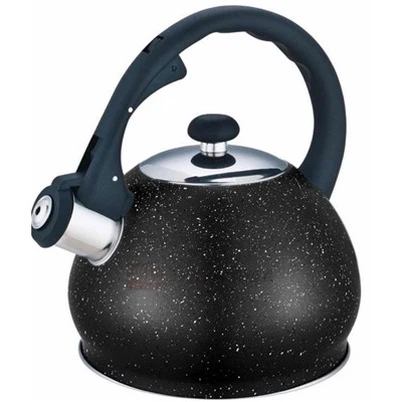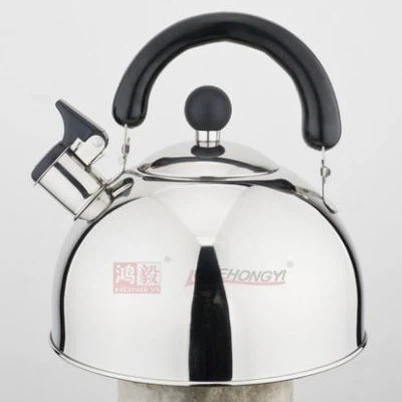

Do metal tea kettles affect the taste of tea?
Leave a message

As a seasoned supplier of metal tea kettles, I've often been asked whether the material of a tea kettle can influence the taste of the brewed tea. It's a question that delves into the intersection of science, tradition, and personal preference. In this blog, I'll explore the various factors at play and share insights based on both scientific knowledge and practical experience.
The Science Behind Tea Brewing and Metal Interaction
To understand whether metal tea kettles affect the taste of tea, we first need to grasp the basic principles of tea brewing. Tea contains a complex array of chemical compounds, including polyphenols, caffeine, and volatile aroma compounds. The brewing process involves extracting these compounds from the tea leaves into the water.
Metals, on the other hand, have their own chemical properties. When water is heated in a metal tea kettle, there is a potential for interaction between the metal and the water, as well as the tea compounds. Some metals are more reactive than others. For example, aluminum is a relatively reactive metal. When exposed to acidic substances, such as the natural acids present in tea, it can leach small amounts of aluminum ions into the water. While the amount of aluminum leached is usually within safe limits, it could potentially have a subtle impact on the taste.
Stainless steel, a popular choice for tea kettles, is much less reactive. It is an alloy composed mainly of iron, chromium, and nickel. The chromium in stainless steel forms a thin, protective oxide layer on the surface, which prevents the metal from reacting with the water and tea. This makes stainless steel a stable and reliable material for tea kettles, with minimal risk of imparting unwanted flavors.
Copper is another metal that has been used in tea kettles for centuries. Copper is an excellent conductor of heat, which allows for rapid and even heating of the water. However, copper is also reactive and can react with oxygen and water to form copper oxide. If not properly lined or maintained, copper can leach copper ions into the water, which can give the tea a metallic taste. That's why many copper tea kettles are lined with a non - reactive material such as stainless steel or tin.
The Role of Metal Surface Finish
The surface finish of a metal tea kettle can also play a role in the taste of the tea. A smooth, polished surface is less likely to trap impurities and residues compared to a rough or textured surface. For example, a Brushed Metal Kettle has a unique aesthetic appeal, but the brushed finish may have tiny grooves where small particles of tea leaves or minerals from the water can accumulate over time. If not cleaned thoroughly, these residues can affect the taste of subsequent brews.


In contrast, a kettle with a mirror - like finish is easier to clean and less likely to harbor contaminants. However, the choice between a brushed and polished finish often comes down to personal preference, as some tea enthusiasts appreciate the rustic look of a brushed metal kettle.
The Impact of Metal Filters
Many metal tea kettles come equipped with Metal Filters. These filters are designed to separate the tea leaves from the brewed tea, ensuring a smooth and enjoyable drinking experience. The material of the filter can also influence the taste. Metal filters are generally durable and can withstand high temperatures, but they may interact with the tea in a similar way to the kettle itself.
A well - made metal filter should be made of a non - reactive material to prevent any unwanted flavors from seeping into the tea. Stainless steel filters are a popular choice because of their corrosion resistance and neutral taste. However, if the filter is made of a lower - quality metal or has sharp edges that can damage the tea leaves, it could potentially affect the extraction process and the overall taste of the tea.
Personal Preference and Tradition
While science provides us with a framework for understanding the potential effects of metal tea kettles on tea taste, personal preference and tradition also play a significant role. Some tea drinkers swear by the taste of tea brewed in a specific type of metal kettle. For example, in some cultures, tea brewed in a copper kettle is considered to have a rich and complex flavor, perhaps due to the long - standing tradition associated with using copper vessels for tea preparation.
Others may prefer the clean and neutral taste of tea brewed in a stainless steel kettle. The key is to experiment and find what works best for your own palate. You can try brewing the same type of tea in different metal kettles and compare the results. Pay attention to the aroma, flavor, and mouthfeel of the tea to determine if there are any noticeable differences.
Our Product Range
At our company, we offer a wide range of All Metal Tea Kettle options to suit different needs and preferences. Our stainless steel kettles are made from high - quality materials, ensuring durability and a neutral taste. They are available in various sizes and designs, from sleek and modern to classic and traditional.
We also have copper kettles with a stainless steel lining, which combines the excellent heat - conducting properties of copper with the non - reactivity of stainless steel. These kettles are not only functional but also make a beautiful addition to any tea - brewing setup.
In addition, our kettles with metal filters are designed to provide a seamless tea - brewing experience. The filters are carefully crafted to ensure efficient separation of the tea leaves without affecting the taste of the tea.
Conclusion and Call to Action
In conclusion, while metal tea kettles can potentially affect the taste of tea, the extent of the impact depends on several factors, including the type of metal, surface finish, and the presence of filters. With proper selection and maintenance, a metal tea kettle can enhance your tea - brewing experience rather than detract from it.
If you're interested in exploring our range of metal tea kettles or have any questions about how they might affect the taste of your tea, we'd love to hear from you. Whether you're a casual tea drinker or a serious tea connoisseur, we have the perfect kettle for you. Reach out to us to start a discussion about your tea - brewing needs and preferences, and let's find the ideal metal tea kettle together.
References
- "The Chemistry of Tea" by John E. Taylor
- "Tea Brewing: Science and Art" by Maria S. Smith
- "Materials Science for Tea Kettles" by Robert A. Johnson