
Can I use a whistling tea pot for making coffee?
Leave a message

As a supplier of [Whistling Tea Pots], I often encounter various inquiries from customers about the functionality and versatility of our products. One question that has come up quite frequently is, "Can I use a whistling tea pot for making coffee?" In this blog post, I'll delve into this topic, exploring the feasibility, pros, and cons of using a whistling tea pot for brewing coffee.
The Mechanics of a Whistling Tea Pot
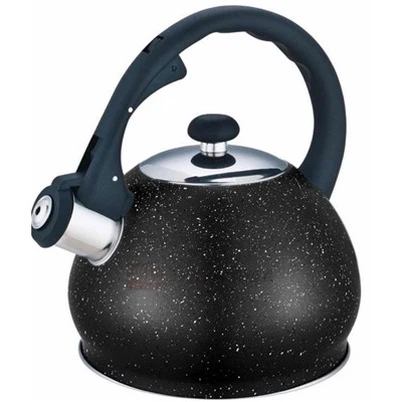
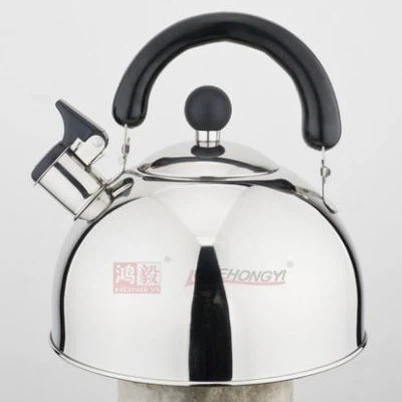
Before we discuss using a whistling tea pot for coffee, let's understand how these pots work. Whistling tea pots are designed to produce a distinct whistling sound when the water inside reaches boiling point. This is achieved through a whistle mechanism, usually located on the spout. When steam passes through the whistle, it creates a high - pitched sound, alerting you that the water is ready.
Most whistling tea pots are made of materials like stainless steel or enamel - coated metal. They are typically equipped with a lid that fits snugly to trap steam and a spout designed for easy pouring. The construction of these pots is focused on efficient boiling and a reliable whistling function.
Can You Use a Whistling Tea Pot to Make Coffee?
The short answer is yes, you can use a whistling tea pot to make coffee. The basic process of making coffee involves heating water and steeping coffee grounds. A whistling tea pot can handle the first step – heating the water – just as effectively as any other kettle.

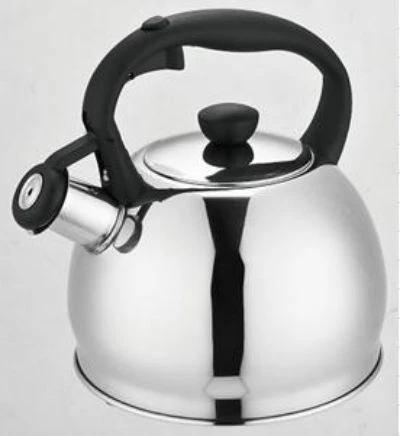
To make coffee with a whistling tea pot, you would first fill it with water and place it on a heat source, such as a stovetop. Once the water starts to boil and the whistle goes off, you can remove the pot from the heat. Then, you can use the boiled water to brew coffee in a separate coffee maker, like a French press or a pour - over cone.
However, brewing coffee directly in the whistling tea pot is a bit more complicated. If you want to brew coffee directly in the pot, you would need to add coffee grounds to the water and let them steep. But most whistling tea pots are not designed with a built - in filter, so you would have to find a way to separate the grounds from the brewed coffee. This could involve using a fine - mesh strainer or a coffee sock.
Advantages of Using a Whistling Tea Pot for Coffee
- Convenience: If you already own a whistling tea pot, it can be a convenient way to heat water for coffee. You don't need to purchase a separate kettle. The whistling feature ensures that you don't over - boil the water, which can affect the taste of the coffee.
- Aesthetic Appeal: Whistling tea pots often have an elegant design. They can add a touch of charm to your kitchen while you're making your morning coffee.
- Cost - Effective: Buying a whistling tea pot can be a cost - effective solution, especially if you also use it for making tea. You can find [Cheap Teapots in Bulk]( /stainless - steel - tea - pots/cheap - teapots - in - bulk.html) that offer good value for money.
Disadvantages of Using a Whistling Tea Pot for Coffee
- Lack of Filter: As mentioned earlier, most whistling tea pots do not have a built - in filter. This can make it difficult to separate the coffee grounds from the brewed coffee, resulting in a gritty cup of coffee.
- Limited Brewing Options: Brewing coffee directly in a whistling tea pot restricts your brewing methods. You won't be able to use advanced brewing techniques that require specific equipment, such as an espresso machine.
- Flavor Contamination: If you use the same whistling tea pot for both tea and coffee, there's a risk of flavor contamination. The taste of tea can linger in the pot and affect the flavor of the coffee.
Considerations for Using a Whistling Tea Pot for Coffee
- Material: When using a whistling tea pot for coffee, consider the material of the pot. Stainless steel is a good choice as it is durable and does not react with coffee acids. Enamel - coated pots can also be used, but make sure the enamel is in good condition to avoid any chipping or flaking.
- Size: Choose a whistling tea pot that is the right size for your coffee - making needs. If you only make a single cup of coffee, a [Mini Tea Pots]( /stainless - steel - tea - pots/mini - tea - pots.html) might be sufficient. For larger batches, a standard - sized whistling tea pot would be more appropriate.
- Cleaning: Proper cleaning is essential to prevent flavor contamination. After using the pot for coffee, make sure to wash it thoroughly with warm, soapy water. You can also use a vinegar solution to remove any coffee stains or residue.
Conclusion
In conclusion, while it is possible to use a whistling tea pot for making coffee, it has its pros and cons. If you're looking for a simple and convenient way to heat water for coffee, a whistling tea pot can be a great option. However, if you're a coffee connoisseur who prefers more advanced brewing methods, you might want to invest in dedicated coffee - making equipment.
At [Whistling Tea Pots]( /stainless - steel - tea - pots/whistling - tea - pots.html), we offer a wide range of whistling tea pots that can be used for both tea and coffee. Our pots are made from high - quality materials and are designed to be durable and reliable. Whether you're a home user or a business looking to purchase in bulk, we have the right product for you.
If you're interested in learning more about our whistling tea pots or have any questions about using them for coffee, we encourage you to contact us for a purchase negotiation. We're here to help you find the perfect tea pot for your needs.
References
- "The Chemistry of Coffee Brewing" - Journal of Food Science
- "Tea and Coffee Brewing Methods" - A Handbook for Home Brewers