
Are there any disadvantages of using a stainless steel tea kettle?
Leave a message

As a supplier of stainless steel tea kettles, I've heard a lot of positive feedback about our products. They're durable, easy to clean, and look great in any kitchen. But like anything, there are also some potential downsides to using a stainless steel tea kettle. In this blog post, I'll take a closer look at some of the disadvantages and help you decide if a stainless steel tea kettle is right for you.
Heat Conductivity
One of the main disadvantages of stainless steel is its relatively poor heat conductivity compared to other materials like copper or aluminum. This means that it takes longer for a stainless steel tea kettle to heat up water. If you're in a hurry to make a cup of tea, you might find yourself waiting a bit longer than you would with a different type of kettle.
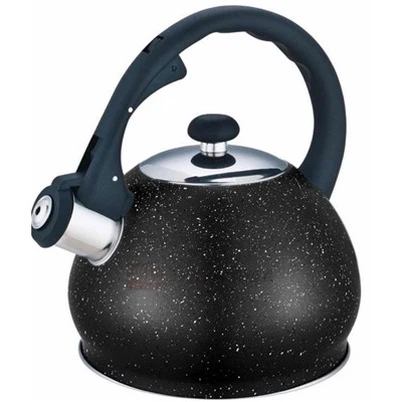
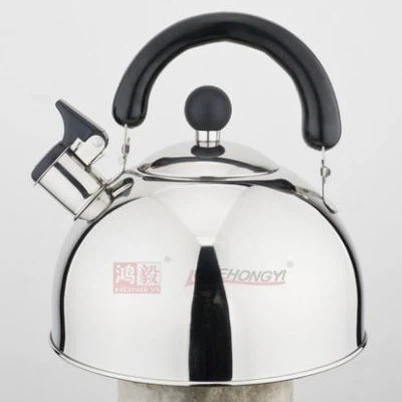
For example, if you're using a Stainless Steel Whistling Stovetop Tea Kettle on a stovetop, it could take a few extra minutes to bring the water to a boil compared to a copper kettle. This isn't a huge deal if you're just relaxing at home, but it can be frustrating if you're short on time.
Taste and Odor
Another potential issue with stainless steel tea kettles is that they can sometimes impart a slight metallic taste or odor to the water. This is more likely to happen if the kettle is new or if it hasn't been properly cleaned.
When you first get a new stainless steel tea kettle, it's a good idea to wash it thoroughly with warm, soapy water and then rinse it well. You can also boil a mixture of water and vinegar in the kettle to help remove any manufacturing residues. This should help reduce the chances of getting a metallic taste in your tea.
However, even after proper cleaning, some people may still notice a faint metallic flavor. If you're particularly sensitive to taste and odor, this could be a drawback for you.
Cost
Stainless steel tea kettles can be more expensive than kettles made from other materials, such as plastic or ceramic. The cost of stainless steel itself is relatively high, and the manufacturing process for a high - quality tea kettle can also add to the price.
For instance, a Tea Kettle Stainless Steel Deluxe may have a higher price tag compared to a basic plastic kettle. If you're on a tight budget, this could be a factor to consider. But keep in mind that stainless steel kettles are generally more durable and long - lasting, so you may end up saving money in the long run by not having to replace the kettle as often.
Dents and Scratches
Stainless steel is a durable material, but it's not immune to dents and scratches. If you're not careful with your tea kettle, it can easily get dinged up. A dent or scratch not only affects the appearance of the kettle but can also potentially create areas where bacteria can accumulate.
For example, if you accidentally drop your Antique Stainless Steel Tea Kettle, it may develop a dent. And if you use abrasive cleaning tools on the kettle, you can scratch the surface. To prevent this, it's important to handle the kettle with care and use gentle cleaning methods.
Mineral Deposits
Over time, mineral deposits can build up inside a stainless steel tea kettle, especially if you have hard water. These deposits can make the kettle look dirty and can also affect its performance.
Hard water contains high levels of minerals like calcium and magnesium. When the water is boiled in the kettle, these minerals can precipitate out and form a white or brownish scale on the inside of the kettle. This scale can reduce the efficiency of the kettle and may even cause it to take longer to heat up water.
To remove mineral deposits, you can use a descaling solution or a mixture of vinegar and water. Boil the solution in the kettle for a few minutes and then let it sit for a while before rinsing it out. Regular descaling can help keep your kettle in good condition.
Noise
Some stainless steel whistling tea kettles can be quite loud when the water comes to a boil. The whistling sound is designed to alert you that the water is ready, but it can be a bit annoying, especially if you have a sensitive hearing or if you're in a quiet environment.
If the noise is a concern for you, you may want to look for a kettle with a more subdued whistle or consider using a non - whistling kettle and relying on other ways to tell when the water is boiling, such as watching for steam.
Is a Stainless Steel Tea Kettle Still Worth It?
Despite these disadvantages, there are many reasons why a stainless steel tea kettle can still be a great choice. Stainless steel is very durable, resistant to rust and corrosion, and easy to clean. It also has a sleek and modern look that can enhance the appearance of your kitchen.
If you're willing to overlook the potential drawbacks, a stainless steel tea kettle can be a long - lasting and reliable addition to your kitchen. And if you're a tea lover, having a high - quality kettle can really enhance your tea - making experience.
Conclusion
In conclusion, while there are some disadvantages to using a stainless steel tea kettle, such as poor heat conductivity, potential taste and odor issues, higher cost, susceptibility to dents and scratches, mineral deposits, and noise, the benefits often outweigh the negatives.
If you're in the market for a new tea kettle and are considering a stainless steel one, I encourage you to take a closer look at our range of products. We offer a variety of stainless steel tea kettles, including the Stainless Steel Whistling Stovetop Tea Kettle, Antique Stainless Steel Tea Kettle, and Tea Kettle Stainless Steel Deluxe.


If you have any questions or are interested in purchasing our products for your business or personal use, feel free to reach out to us for a procurement discussion. We're always happy to help you find the perfect tea kettle for your needs.
References
- "Stainless Steel: Properties and Applications." Metal Handbook.
- "The Chemistry of Hard Water and Scale Formation." Journal of Water Science.
- "Tea - Making: The Art and Science." Tea Lovers' Guide.