
Are stainless steel tea kettles suitable for high - altitude areas?
Leave a message

Hey there! I'm a supplier of stainless steel tea kettles, and I often get asked if our kettles are suitable for high - altitude areas. Well, let's dive right into this topic and find out.
First off, we need to understand what happens at high altitudes. The main difference between high - altitude areas and low - altitude areas is the atmospheric pressure. As you go higher, the atmospheric pressure decreases. This has a significant impact on the boiling point of water. At sea level, water boils at 100°C (212°F). But as you ascend to higher altitudes, the boiling point drops. For example, at an altitude of about 2,400 meters (8,000 feet), water boils at around 92°C (198°F).
Now, let's talk about our stainless steel tea kettles. Stainless steel is a great material for tea kettles. It's durable, resistant to rust and corrosion, and it can handle high temperatures without warping. Our kettles are designed to heat water efficiently, whether you're using a stovetop or a gas hob.
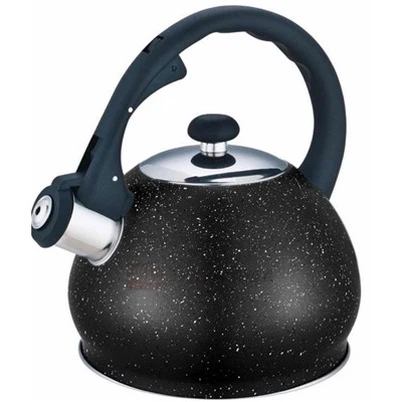
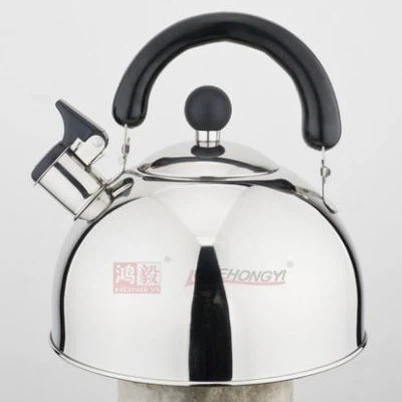
One of the great things about our Modern Tea Kettle Stainless Steel is its sleek design and excellent heat conductivity. The stainless - steel construction ensures that the heat is evenly distributed throughout the kettle, which is important no matter where you are. Even at high altitudes, where the water boils at a lower temperature, this kettle can still heat the water quickly and effectively.
When it comes to camping in high - altitude areas, our 2.5 Liter Stainless Steel Camp Tea Kettle is a top choice. It's large enough to hold plenty of water for making multiple cups of tea or coffee, which is great when you're out with friends or family. The sturdy stainless - steel build can withstand the rigors of camping, and it can be used on various heat sources, including campfires.
If you're using a gas hob at high altitudes, our Stainless Steel Tea Kettle for Gas Hob is a perfect fit. It's designed to work well with gas stoves, and the stainless - steel material can handle the direct heat from the flame. The lower boiling point at high altitudes won't be a problem for this kettle. It will still heat the water up to the available boiling point in a timely manner.
However, there are a few things to keep in mind when using a tea kettle at high altitudes. Since the water boils at a lower temperature, it might take a bit longer to steep your tea properly. Some teas, like black tea, usually require boiling water at sea - level temperatures to bring out their full flavor. At high altitudes, you might need to steep the tea for a bit longer or adjust the amount of tea leaves you use.
Another consideration is the heat source. At high altitudes, the air is thinner, which can affect the combustion of gas stoves. If you're using a gas - powered kettle, make sure the stove is properly adjusted to work at the lower atmospheric pressure. Our kettles are made to be versatile, but it's always a good idea to take these factors into account.
In terms of safety, stainless steel is a non - toxic material, so you don't have to worry about any harmful chemicals leaching into your water, whether you're at sea level or in the mountains. Our kettles also have features like heat - resistant handles and spouts, which are essential for preventing burns when handling the hot kettle.
Overall, our stainless steel tea kettles are very suitable for high - altitude areas. They are designed to work efficiently under different conditions, and the stainless - steel material provides a reliable and long - lasting solution for heating water. Whether you're a camper, a mountain dweller, or just someone who loves a good cup of tea no matter where they are, our kettles can meet your needs.
If you're interested in purchasing our stainless steel tea kettles, we're always here to talk about your requirements. Whether you need a single kettle for personal use or a bulk order for a business, we can work with you to find the best solution. Don't hesitate to reach out and start a conversation about your tea - kettle needs.
References:


- "The Physics of High - Altitude Cooking" by various authors in cooking science publications
- "Properties of Stainless Steel" from metallurgy and materials science resources