
Are stainless steel tea kettles noisy when boiling water?
Leave a message

Hey there, tea lovers! As a supplier of top - notch stainless steel tea kettles, I often get asked this question: "Are stainless steel tea kettles noisy when boiling water?" Well, let's dive right into it and find out.
First off, let's understand how water boils in a kettle. When you heat water in a stainless steel tea kettle, the heat from the burner or heating element causes the water at the bottom of the kettle to heat up. As the water gets hotter, it turns into steam bubbles. These bubbles rise to the surface, and that's what we see as boiling.
Now, the noise factor. It's true that stainless steel tea kettles can make some noise when boiling water, but it's not always super loud. The noise mainly comes from a few different sources. One source is the formation and popping of steam bubbles. As the bubbles form at the bottom of the kettle and then rise through the water, they make a kind of crackling or hissing sound. Another reason for the noise can be the expansion of the stainless steel itself. When the kettle heats up, the metal expands, and this expansion can sometimes cause creaking or clicking noises.


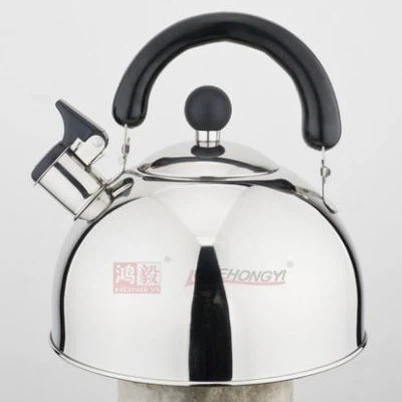
But here's the thing - not all stainless steel tea kettles are equally noisy. The design and quality of the kettle play a big role. For example, a well - made kettle with a thick and evenly - distributed stainless steel body can be quieter. A thick body helps to dampen the noise from the steam bubbles and the expansion of the metal.
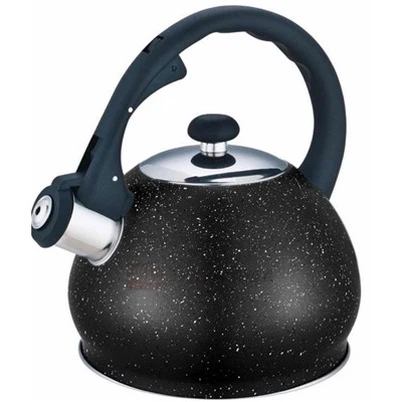
Let's talk about some of the types of stainless steel tea kettles we offer. We have the Induction Tea Kettle Stainless Steel. This kettle is designed to work specifically on induction cooktops. Induction heating is very efficient, and it can heat the water in the kettle quickly. Because the heat is evenly distributed across the bottom of the kettle, the formation of steam bubbles is more consistent. This can sometimes result in a slightly different noise pattern compared to kettles on traditional stovetops. It might have a more continuous hissing sound rather than the random crackling you might hear on a gas stove.
Then there's our Brasil Stainless Steel Tea Kettle. This kettle has a unique design inspired by Brazilian craftsmanship. It's made with high - quality stainless steel that has been treated to resist corrosion and wear. The shape of the kettle also affects the noise it makes. Its well - rounded body allows the steam bubbles to rise smoothly, which can reduce the amount of noise caused by bubble popping.
Our Heavy Duty Stainless Steel Tea Kettle is another great option. As the name suggests, it's built tough. The heavy - duty stainless steel construction not only makes it durable but also helps in reducing noise. The extra thickness of the metal acts as a natural sound insulator, so you won't be bothered by overly loud noises while your water is boiling.
There are also some factors on your end that can affect how noisy your kettle is. The type of water you use matters. Hard water, which has a high mineral content, can cause more noise. The minerals in hard water can accumulate on the bottom of the kettle and form a layer of scale. This scale can disrupt the smooth flow of heat and the formation of steam bubbles, leading to louder crackling and popping sounds. So, if you have hard water, it's a good idea to descale your kettle regularly.
The heat source you use also makes a difference. Gas stoves tend to produce a more uneven heat compared to electric or induction cooktops. On a gas stove, the flame can be more concentrated in one area, which can cause the water to heat up unevenly and create more noise. Electric and induction cooktops, on the other hand, provide more consistent heat, which can result in a quieter boiling process.
Now, if you're someone who really doesn't like a lot of noise when boiling water, there are some things you can do. You can look for kettles with noise - reducing features. Some kettles have special insulation layers or internal baffles that help to muffle the sound. You can also place a heat diffuser between the kettle and the burner. A heat diffuser spreads the heat more evenly, reducing the intensity of the noise.
In conclusion, while stainless steel tea kettles can make noise when boiling water, the amount of noise can vary greatly depending on the kettle's design, the type of water, and the heat source. At our company, we take pride in offering a range of high - quality stainless steel tea kettles that are designed to balance performance and noise levels. Whether you're looking for a kettle for your daily morning tea or for a fancy tea - tasting session, we've got you covered.
If you're interested in purchasing our stainless steel tea kettles, we'd love to have a chat with you. We can discuss your specific needs, answer any more questions you might have, and even offer you some great deals. Just reach out to us for a procurement discussion, and let's get you the perfect tea kettle for your home or business.
References
- "The Physics of Boiling Water" - General Physics Textbook
- "Materials Science in Kitchenware Design" - Journal of Kitchen Appliance Research