
Are metal lined kettles safe to use?
Leave a message

As a supplier of Metal Lined Kettles, I often encounter questions from customers regarding the safety of using these products. In this blog post, I aim to provide a comprehensive and scientific analysis of the safety aspects of metal lined kettles, addressing common concerns and offering insights based on available research and industry knowledge.
Understanding Metal Lined Kettles
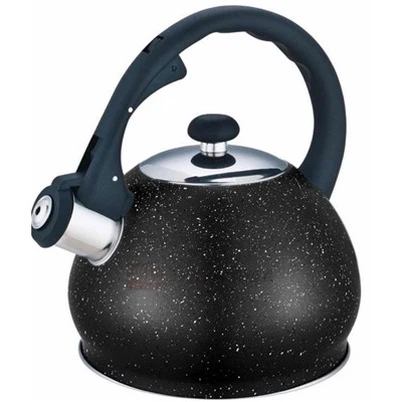
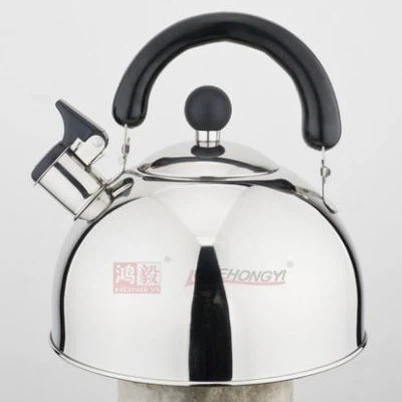
Metal lined kettles are a popular choice for many households and commercial settings due to their durability, heat conductivity, and aesthetic appeal. These kettles typically consist of an outer metal shell and an inner lining made of a different metal or material. The lining serves several purposes, including preventing corrosion of the outer shell, improving the taste of the boiled water, and enhancing the overall safety of the kettle.
There are various types of metal lined kettles available in the market, each with its own unique features and benefits. For example, Small Metal Kettle are ideal for single-person use or for those with limited kitchen space, while Metal Lined Kettle offer a more versatile option for families or larger groups. Additionally, Double Color Metal Kettle are not only functional but also add a touch of style to any kitchen.
Safety Considerations
One of the primary concerns when it comes to using metal lined kettles is the potential for metal leaching into the water. Certain metals, such as lead, cadmium, and nickel, can be harmful to human health if ingested in large quantities. However, reputable manufacturers of metal lined kettles take strict measures to ensure that their products meet safety standards and do not pose a risk to consumers.
Material Selection
The choice of materials used in the construction of metal lined kettles is crucial in determining their safety. High-quality kettles are typically made from food-grade metals, such as stainless steel, which is known for its corrosion resistance and non-toxic properties. Stainless steel is also easy to clean and maintain, making it a popular choice for kettle linings.
In addition to stainless steel, some kettles may use other materials, such as enamel or ceramic, for the inner lining. These materials are also considered safe for use with food and water, as they do not leach harmful substances into the liquid. However, it is important to note that enamel and ceramic linings may be more prone to chipping or cracking, which could potentially expose the underlying metal and increase the risk of metal leaching.


Manufacturing Processes
The manufacturing processes used to produce metal lined kettles also play a significant role in ensuring their safety. Reputable manufacturers follow strict quality control procedures to ensure that their products are free from defects and meet safety standards. This includes testing the kettles for metal leaching and other potential hazards before they are released into the market.
During the manufacturing process, the metal lining is typically applied to the inner surface of the kettle using a variety of techniques, such as electroplating or enameling. These processes ensure that the lining is firmly attached to the metal shell and does not flake or peel off over time. Additionally, manufacturers may use special coatings or treatments to further enhance the durability and safety of the lining.
Regulatory Standards
In many countries, there are strict regulatory standards in place to ensure the safety of consumer products, including metal lined kettles. These standards specify the maximum allowable levels of certain metals and other harmful substances in the products and require manufacturers to conduct regular testing to ensure compliance.
For example, in the United States, the Food and Drug Administration (FDA) regulates the safety of food contact materials, including kettles. The FDA sets limits on the amount of lead, cadmium, and other metals that can be present in these materials and requires manufacturers to label their products with information about their safety and intended use.
Benefits of Using Metal Lined Kettles
Despite the concerns about metal leaching, there are several benefits to using metal lined kettles. These benefits include:
Durability
Metal lined kettles are generally more durable than other types of kettles, such as plastic or glass. They are less likely to break or crack, making them a long-lasting investment for your kitchen.
Heat Conductivity
Metal is an excellent conductor of heat, which means that metal lined kettles can heat water more quickly and efficiently than other types of kettles. This can save you time and energy in the kitchen.
Aesthetic Appeal
Metal lined kettles come in a variety of styles and colors, making them a stylish addition to any kitchen. They can also add a touch of elegance and sophistication to your home decor.
Taste
Some people believe that metal lined kettles can improve the taste of the boiled water. This is because the metal lining can help to remove impurities and contaminants from the water, resulting in a cleaner and fresher taste.
Tips for Safe Use
To ensure the safe use of metal lined kettles, it is important to follow these tips:
Read the Manufacturer's Instructions
Before using your metal lined kettle, make sure to read the manufacturer's instructions carefully. This will provide you with important information about the proper use, cleaning, and maintenance of the kettle.
Use Filtered Water
Using filtered water can help to reduce the amount of impurities and contaminants in the water, which can in turn reduce the risk of metal leaching. Consider using a water filter or purchasing bottled water for use in your kettle.
Avoid Overheating
Overheating the water in your kettle can cause the metal lining to expand and contract, which can potentially lead to damage or metal leaching. Make sure to follow the manufacturer's instructions regarding the maximum fill level and avoid boiling the water for longer than necessary.
Clean the Kettle Regularly
Regular cleaning of your metal lined kettle can help to prevent the buildup of scale and other deposits, which can reduce the efficiency of the kettle and increase the risk of metal leaching. Use a mild detergent and warm water to clean the kettle, and avoid using abrasive cleaners or scrubbers that could damage the lining.
Conclusion
In conclusion, metal lined kettles are generally safe to use, provided that they are made from high-quality materials and manufactured to meet strict safety standards. By following the tips outlined in this blog post, you can ensure the safe and efficient use of your metal lined kettle and enjoy the many benefits that it has to offer.
If you are interested in purchasing a Metal Lined Kettle or have any questions about our products, please feel free to contact us for more information. We would be happy to assist you with your purchase and provide you with any additional support or guidance that you may need.
References
- Food and Drug Administration (FDA). (n.d.). Food Contact Substances Notification Program. Retrieved from [FDA Website]
- World Health Organization (WHO). (2011). Guidelines for Drinking-Water Quality. Retrieved from [WHO Website]
- Consumer Product Safety Commission (CPSC). (n.d.). Product Safety Information. Retrieved from [CPSC Website]